The nurse is taking care of a pediatric client after an asthma attack. To promote comfort, the nurse instructs the client to assume which position?
The nurse is taking care of a pediatric client after an asthma attack. To promote comfort, the nurse instructs the client to assume which position?
A. High Fowler’s position
[94%]
B. Prone position
[1%]
C. Side-lying position
[4%]
D. Dorsal position
[1%]
Statistics
Subject/Lesson
Subject
Child Health
Lesson
Respiratory
Client Need
Test Plan
Basic Care and Comfort
Related Topic
Non-Pharmacological Comfort Interventions
Item Type
Item Type
Application
Explanation
Choice A is correct. The High Fowler’s position facilitates the breathing process for children after an asthma attack.
Choice B is incorrect. The prone position is not recommended for a client after an asthma attack. It may restrict chest movement and hinder effective breathing.
Choice C is incorrect. The side-lying position, will not provide optimal lung expansion and is not effective in promoting comfort after an asthma attack.
Choice D is incorrect. This option is not be the most comfortable or effective position for a client recovering from an asthma attack, as it may not facilitate optimal breathing.
Related Videos
4 Key Topics
Asthma
17.6 Airway Disorders
Bronchodilators
6.5 Respiratory System Drugs
Additional Info
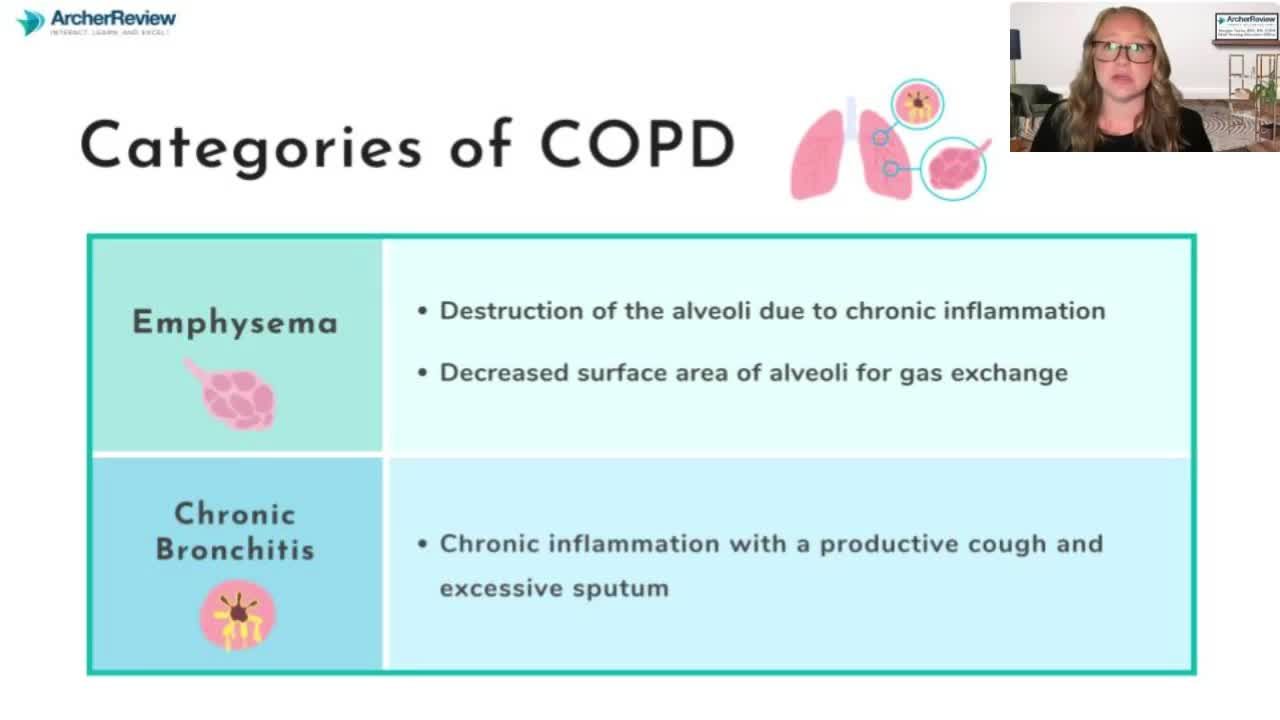
✓ Asthma is a chronic respiratory condition characterized by inflammation and narrowing of the airways, leading to recurrent episodes of wheezing, shortness of breath, chest tightness, and coughing. These episodes, often referred to as asthma attacks, can range from mild to severe and may be triggered by various factors.
✓ Monitor the child's respiratory rate, heart rate, oxygen saturation, and overall respiratory effort. This helps in promptly identifying any signs of respiratory distress.
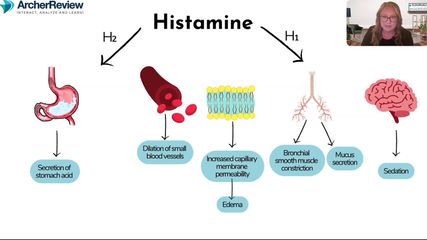
✓ Asthma treatment often involves long-term control medications to reduce inflammation (such as inhaled corticosteroids) and bronchodilators for quick relief during acute episodes, in addition to identifying and avoiding triggers as an essential part of asthma management.
✓ Diagnosis of asthma is typically based on a combination of medical history, physical examination, and pulmonary function tests, such as spirometry, to assess lung function.
