The nurse in a pediatrician's office is following up on an 8-year-old with asthma diagnosed with allergic rhinitis by the nurse practitioner who prescribed an intranasal corticosteroid and an intranasal antihistamine. The highest-risk outcome associated with allergic rhinitis for this child is:
The nurse in a pediatrician's office is following up on an 8-year-old with asthma diagnosed with allergic rhinitis by the nurse practitioner who prescribed an intranasal corticosteroid and an intranasal antihistamine. The highest-risk outcome associated with allergic rhinitis for this child is:
A. Impaired sleep
[16%]
B. Decreased school performance
[6%]
C. An asthma attack
[62%]
D. Irritability
[16%]
Statistics
Subject/Lesson
Subject
Child Health
Lesson
Respiratory
Client Need
Test Plan
Health Promotion and Maintenance
Related Topic
Health Promotion/Disease Prevention
Item Type
Item Type
Application
Explanation
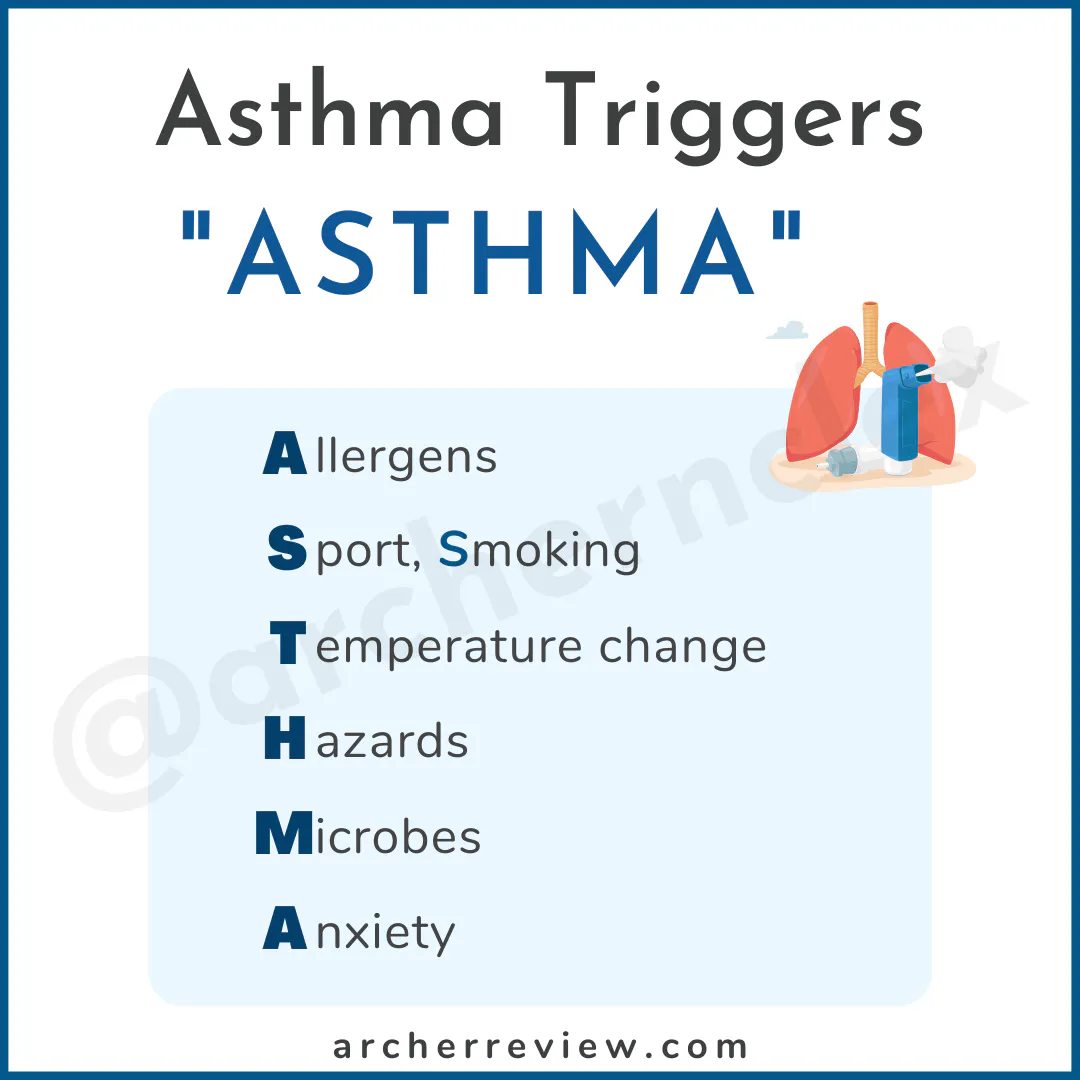
Choice C is correct. Allergic rhinitis can trigger airway inflammation and bronchoconstriction, leading to an increased risk of an asthma attack. Therefore, an asthma attack is the highest-risk outcome to be concerned about in this scenario. Proper management of both conditions, including the use of prescribed intranasal corticosteroids and antihistamines, is crucial to reduce this risk.
Choice A is incorrect. While allergic rhinitis can lead to sleep disturbances due to symptoms like nasal congestion and sneezing, it's not typically the highest-risk outcome, especially when compared to the risk of an asthma attack in a child with a history of asthma.
Choice B is incorrect. Allergic rhinitis can affect a child's concentration and school performance to some extent, but it is not the highest-risk outcome given the options provided.
Choice D is incorrect. Irritability can be a symptom of allergic rhinitis, but it is not considered the highest-risk outcome compared to the risk of an asthma attack.
Related Videos
2 Key Topics
Asthma