The emergency department nurse is caring for a client with an abdominal aortic aneurysm at risk of rupturing. The nurse will anticipate the primary healthcare provider (PHCP) to prescribe
The emergency department nurse is caring for a client with an abdominal aortic aneurysm at risk of rupturing. The nurse will anticipate the primary healthcare provider (PHCP) to prescribe
A. esmolol.
[56%]
B. dexamethasone.
[13%]
C. heparin.
[20%]
D. pantoprazole.
[10%]
Statistics
Subject/Lesson
Subject
Pharmacology
Lesson
Cardiovascular
Client Need
Test Plan
Pharmacological and Parenteral Therapies
Related Topic
Expected Actions/Outcomes
Item Type
Item Type
Knowledge/Comprehension
Explanation
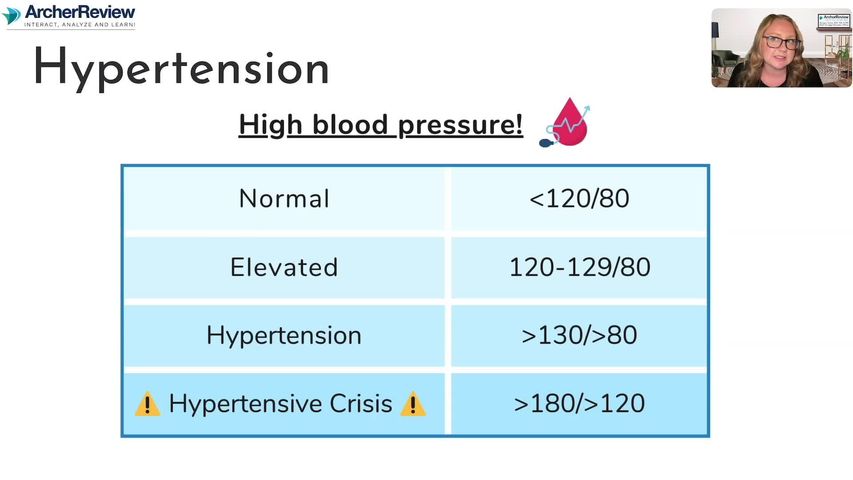
Choice A is correct. For a client with a suspected ruptured (or rupturing) abdominal aortic aneurysm, tight blood pressure control is essential. Having tight blood pressure control decreases the pressure on the aneurysm. Esmolol is a beta-blocker and will exert antihypertensive effects. For a client with an unstable abdominal aortic aneurysm, the nurse should provide close monitoring of their vital signs and adequate pain control.
Choices B, C, and D are incorrect. These medications are not indicated in the management of abdominal aortic aneurysms. Dexamethasone is a steroid and has no role in AAA management. Heparin would be contraindicated for a client with an abdominal aortic aneurysm because if the client needs surgery, this could cause a delay. Pantoprazole is used for peptic ulcer disease, not AAA.
Learning Objective
Recognize that beta-blockers are often used to control the blood pressure in AAA and reduce the rate of AAA size expansion.
Related Videos
2 Key Topics
Aneurysms
18.8 Arterial/Vascular Disorders
Additional Info
Risk factors for an abdominal aortic aneurysm include smoking, male sex, age over sixty-five, cardiovascular disease, hypertension, family history, and obesity. Ruptured aneurysms can be fatal if not promptly recognized.
- At-risk patients should be screened. Therefore guidelines recommend screening for AAA in men ≥60 of age if they have a family history of AAA. Guidelines also recommend screening men. over the age of 65 if they have a smoking history.
- Screening for AAA is performed by physical examination and abdomen ultrasound.
https://app.archerreview.com/test-screen/MjQyNzUxNDE=/NzkzNQ==
