The critical care nurse is caring for a client who is experiencing septic shock. The healthcare team has initiated vasopressor therapy to support the client's blood pressure. Which of the following nursing actions is a priority when administering vasopressors to this client?
The critical care nurse is caring for a client who is experiencing septic shock. The healthcare team has initiated vasopressor therapy to support the client's blood pressure. Which of the following nursing actions is a priority when administering vasopressors to this client?
A. Monitor for signs of fluid overload and adjust the vasopressor infusion rate accordingly.
[18%]
B. Continuously assess the client's level of consciousness and neurological status.
[26%]
C. Administer vasopressors through a peripheral intravenous (IV) line to reduce the risk of complications.
[4%]
D. Monitor the client's cardiac rhythm and electrocardiogram (ECG) for any abnormalities.
[52%]
Statistics
Subject/Lesson
Subject
Critical Care
Lesson
Critical Care Concepts
Client Need
Test Plan
Pharmacological and Parenteral Therapies
Related Topic
Adverse Effects/Contraindications/Side Effects/Interactions
Item Type
Item Type
Application
Explanation
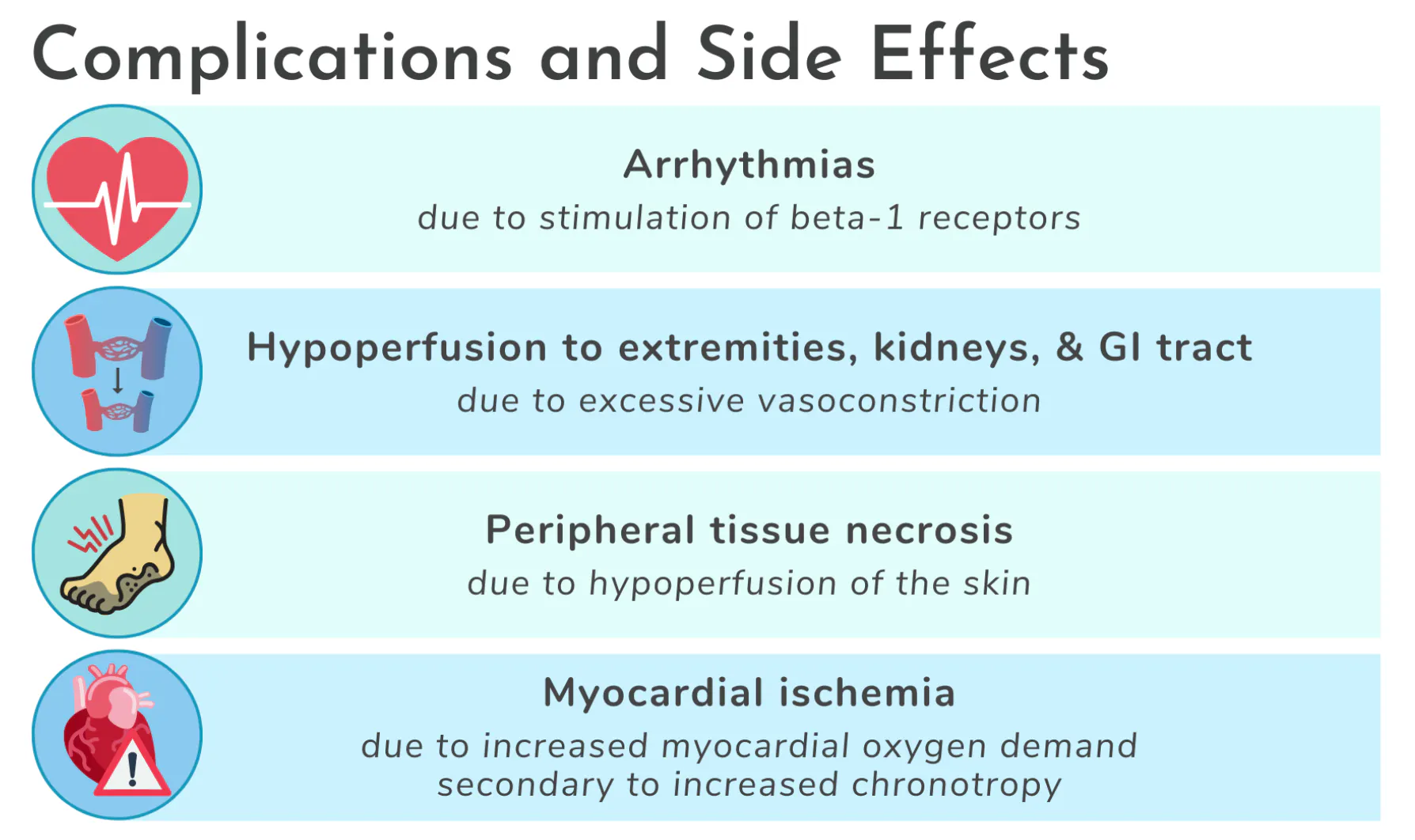
Choice D is correct. When administering vasopressors to a client experiencing septic shock, monitoring the client's cardiac rhythm and ECG is a priority. Vasopressors have a direct effect on the cardiovascular system, and there is a potential risk of causing arrhythmias or other cardiac complications. Therefore, continuous cardiac monitoring is crucial to promptly detect any cardiac abnormalities or dysrhythmias, allowing for immediate intervention and ensuring the client's safety and hemodynamic stability during vasopressor therapy.
Choice A is incorrect. While monitoring for signs of fluid overload is important in critically ill clients, especially those receiving vasopressors, it is not the highest priority of the given options when administering vasopressors to a client experiencing septic shock.
Choice B is incorrect. In septic shock, the primary concern is hypotension and inadequate tissue perfusion due to vasodilation and reduced vascular tone. While neurological changes can occur due to impaired perfusion, the immediate focus is on stabilizing the client's blood pressure and hemodynamics through vasopressor therapy.
Choice C is incorrect. Administering vasopressors through a peripheral IV line is generally not recommended. Vasopressors are potent medications that can cause vasoconstriction, leading to tissue necrosis if they extravasate into the surrounding tissues. The nurse should be familiar with the facility's policy regarding the administration of vasoactive drugs.
Related Videos
5 Key Topics
Vasoactive Infusions
27.3 Critical Care Cardiovascular System
Shock
12.5 Infection, Bleeding & Shock Risks
Additional Info
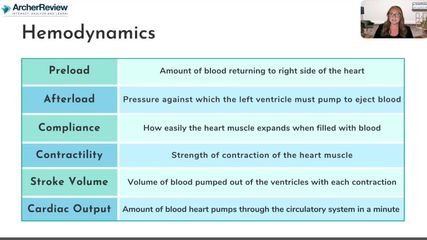
✓ In addition to cardiac rhythm monitoring, continuous/frequent hemodynamic monitoring is essential when administering vasopressors to clients with septic shock.
✓ Vasopressors should be titrated based on the client's response and hemodynamic parameters given by the provider. The goal is to achieve adequate tissue perfusion and a target blood pressure while minimizing the risk of complications.
✓ As the client's condition improves, work with the healthcare team to assess the need for vasopressors and consider weaning or discontinuing them. Gradual weaning helps avoid abrupt changes in blood pressure and supports the client's transition to a stable hemodynamic state.