The nurse is caring for a pediatric client with a nasogastric tube (NGT) connected to intermittent suction.
The nurse should monitor the client for the potential of developing
The nurse is caring for a pediatric client with a nasogastric tube (NGT) connected to intermittent suction.
The nurse should monitor the client for the potential of developing
A. hyponatremia.
[40%]
B. metabolic acidosis.
[41%]
C. hyperkalemia.
[11%]
D. hypercalcemia.
[7%]
Statistics
Subject/Lesson
Subject
Child Health
Lesson
Gastrointestinal
Client Need
Test Plan
Physiological Adaptation
Related Topic
F&E Imbalances
Item Type
Item Type
Application
Explanation
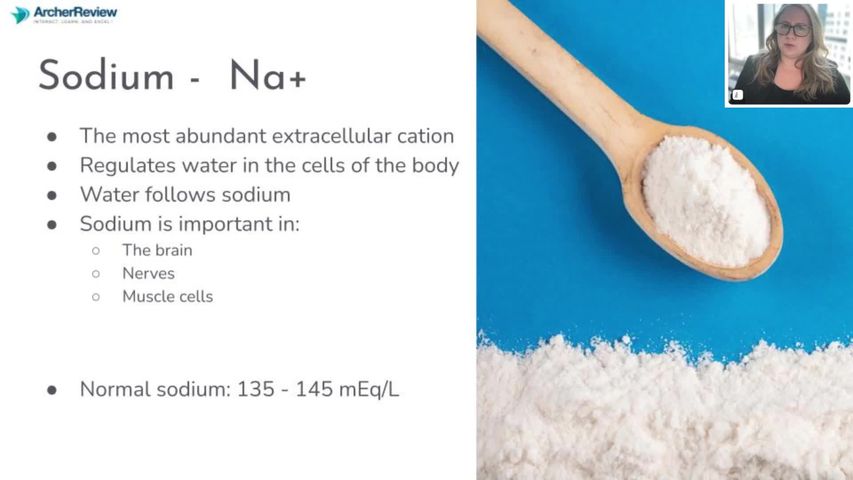
Choice A is correct. NGT suction removes gastric contents rich in sodium, so excessive loss can lead to hyponatremia.
Choice B is incorrect. Suction removes hydrochloric acid, which reduces acid in the body and causes metabolic alkalosis, not acidosis.
Choice C is incorrect. Potassium is also lost with gastric secretions, so the client is at risk for hypokalemia, not hyperkalemia.
Choice D is incorrect. Calcium levels are not significantly affected by NGT suction; hypercalcemia is typically caused by parathyroid disorders or certain medications.
Related Videos
4 Key Topics
Hyponatremia
5.1 Sodium Balance Disorders
Burn Complications
25.7 Burns: Classification, Management & Complications
Additional Info
✓ For a client having an NGT to suction, an array of fluid and electrolyte imbalances may occur, including hyponatremia and hypokalemia.
✓ Metabolic alkalosis may occur associated with an NGT connected to suction because it removes all of the gastric acid.
✓ For a client with an NGT, it is important to remember that the initial verification for placement be performed via an x-ray (radiograph).
