A 12-year-old female presented to the emergency department with ongoing fatigue and recent weight loss over the past two weeks.
Item 4 of 6
- Orders
1000
- CBC
- BMP
- UA
- HbA1C
- ABG
- Laboratory & Imaging Results
Source : Archer ReviewSource : Archer ReviewSource : Archer ReviewSource : Archer Review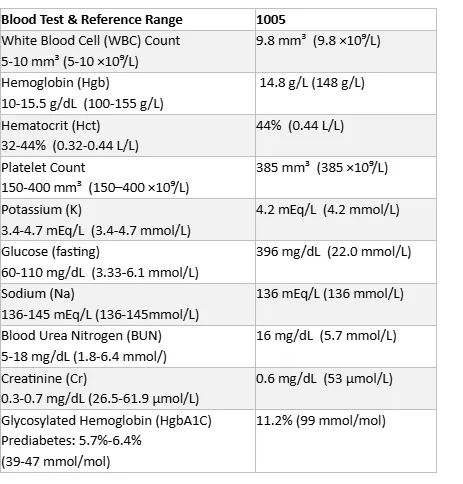 Source : Archer ReviewSource : Archer ReviewSource : Archer ReviewSource : Archer Review
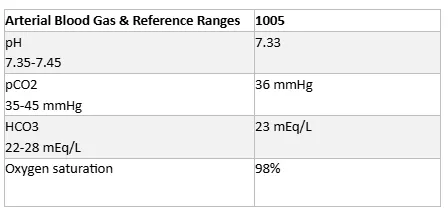 Source : Archer ReviewSource : Archer ReviewSource : Archer ReviewSource : Archer Review
Source : Archer ReviewSource : Archer ReviewSource : Archer ReviewSource : Archer Review
Source : Archer ReviewSource : Archer ReviewSource : Archer ReviewSource : Archer Review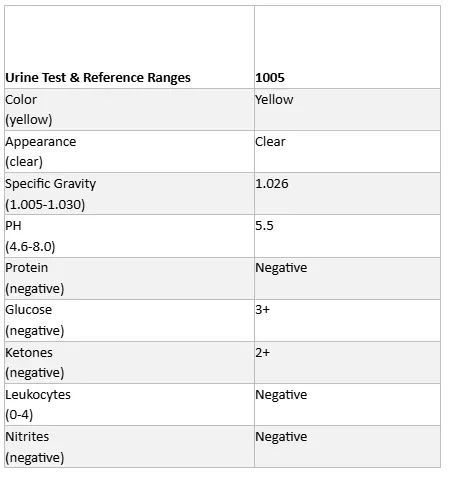 Source : Archer ReviewSource : Archer ReviewSource : Archer ReviewSource : Archer Review
- Nurses’ Notes
1000: A 12-year-old female presented to the emergency department with ongoing fatigue and recent weight loss over the past two weeks. The client’s caregiver states she has been experiencing increased thirst and frequent urination, including throughout the night. The client has no significant past medical history. Upon assessment, the client’s mucous membranes are dry. Pulses are regular and palpable. Lung sounds are clear. The abdomen is soft and nontender. The client is alert and oriented x4, but reports a headache, rated 5/10. Immunizations are up to date. Vital signs are T 98.9°F (37.2°C), HR 112, RR 26, BP 92/54, SpO₂ 98% on room air. Fingerstick glucose level is 396 mg/dL (22.0 mmol/L).
1005: Blood and urine specimens collected and sent to the lab. Client tolerated well.
1010: Provider is at the bedside speaking with the client and their caregiver. The provider confirmed a diagnosis of Type 1 diabetes mellitus. Plans to admit the client for observation and begin initial management.
The nurse is planning diabetes education for the client and their caregiver.
Which three (3) pieces of information should the nurse include in the education?
The nurse is planning diabetes education for the client and their caregiver.
Which three (3) pieces of information should the nurse include in the education?
Statistics
Subject/Lesson
Subject
Child Health
Lesson
Endocrine
Client Need
Test Plan
Reduction of Risk Potential
Related Topic
Potential for Complications from Surgical Procedures and Health Alterations
Item Type
Item Type
GenerateSolutions
Explanation
- To support safe and effective diabetes self-management, the nurse should instruct the client and their caregiver to carry a rapid-acting source of glucose in case of hypoglycemia, such as glucose tablets or juice, at all times. Hypoglycemia can occur unexpectedly and must be treated quickly to prevent serious complications.
- The nurse should also emphasize the importance of monitoring blood glucose levels before meals and at bedtime, which allows for timely insulin adjustments and early recognition of abnormal trends.
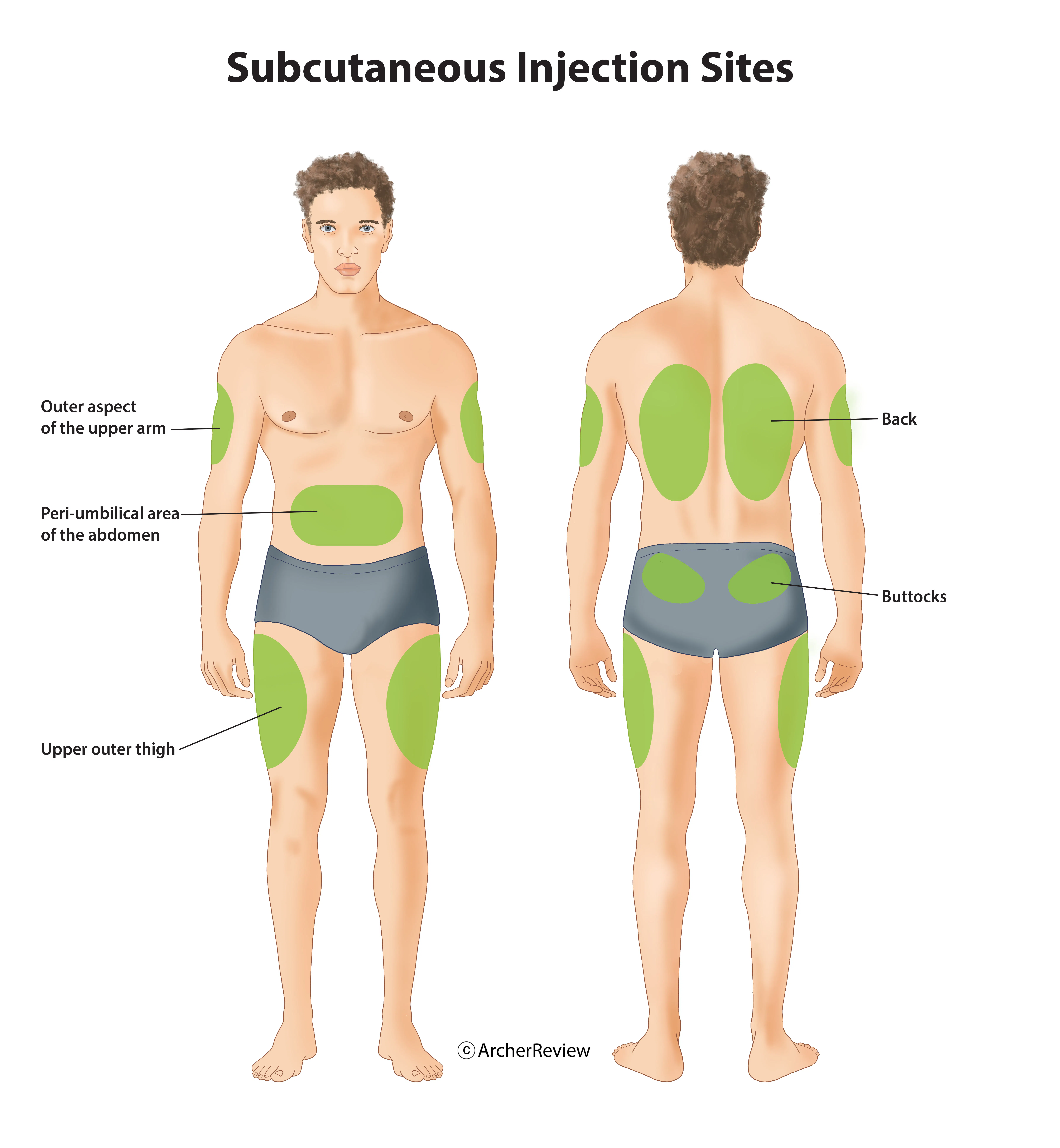
- Additionally, clients should be taught to rotate insulin injection sites to prevent skin breakdown and lipodystrophy, which can impair insulin absorption over time.
- Increasing insulin doses when the child becomes ill should be avoided, as this may lead to hypoglycemia unless done under provider guidance. Instead, insulin should be continued as prescribed during illness, and blood glucose and ketones should be monitored more frequently.
- Avoiding carbohydrates is not recommended, as children with diabetes mellitus (type one) need a balanced diet that includes carbohydrates, with insulin adjusted accordingly.
- Mixing long-acting and rapid-acting insulin in the same syringe is not appropriate unless the specific formulations are approved for mixing, and this should only be done under clear provider instructions.
- Holding all insulin doses when the client doesn't eat is unsafe; long-acting (basal) insulin must continue even if meals are skipped.
- Similarly, providing high-glucose snacks before bed is not routine; instead, the client may benefit from a balanced snack of protein and carbohydrates. Finally, oral medications do not replace insulin in clients with Type 1 diabetes, as insulin is required for lifelong management.
Related Videos
2 Key Topics
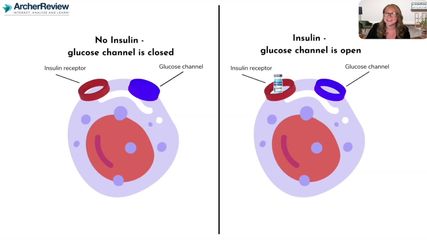
Diabetes Mellitus Type I