A 12-year-old female presented to the emergency department with ongoing fatigue and recent weight loss over the past two weeks.
Item 5 of 6
- Orders
1030
- Consult: Pediatric Endocrinology, Pediatric Diabetes Educator, Registered Dietitian
- Consistent carbohydrate diet
- Administer insulin glargine (Lantus) 12 units subcutaneously once daily at 8:00 PM
- Check blood glucose ACHS and 0200 for 2 nights
- Use insulin lispro (Humalog) subcutaneously before meals and at bedtime per sliding scale:
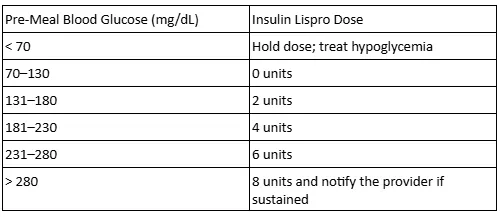 Source : Archer ReviewSource : Archer ReviewSource : Archer ReviewSource : Archer ReviewSource : Archer Review
- If blood glucose < 70 mg/dL:
- Administer 15 g of rapid-acting carbohydrate (e.g., 4 oz juice, 3–4 glucose tablets) or Glucagon 1 mg IM or subcutaneously if ≥ 20 kg
- Recheck glucose in 15 minutes
- If still < 70, repeat treatment
- Nurses’ Notes
1000: A 12-year-old female presented to the emergency department with ongoing fatigue and recent weight loss over the past two weeks. The client’s caregiver states she has been experiencing increased thirst and frequent urination, including throughout the night. The client has no significant past medical history. Upon assessment, the client’s mucous membranes are dry. Pulses are regular and palpable. Lung sounds are clear. The abdomen is soft and nontender. The client is alert and oriented x4, but reports a headache, rated 5/10. Immunizations are up to date. Vital signs are T 98.9°F (37.2°C), HR 112, RR 26, BP 92/54, SpO₂ 98% on room air. Fingerstick glucose level is 396 mg/dL (22.0 mmol/L).
1005: Blood and urine specimens collected and sent to the lab. Client tolerated well.
1010: Provider is at the bedside speaking with the client and their caregiver. The provider confirmed a diagnosis of Type 1 diabetes mellitus. Plans to admit the client for observation and begin initial management.
1030: New orders received to start a consistent carb diet and insulin. Medication education and diet were reviewed with the client and their caregiver.
- Laboratory & Imaging Results
Source : Archer ReviewSource : Archer ReviewSource : Archer ReviewSource : Archer Review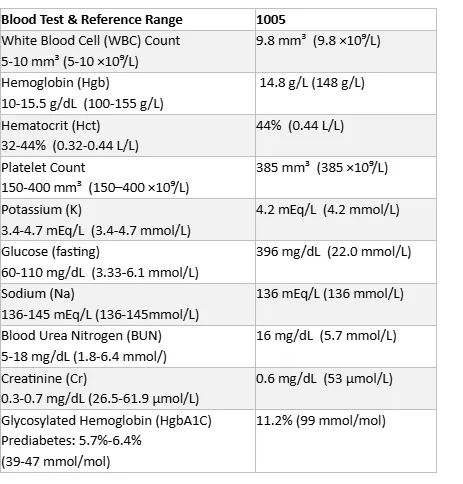 Source : Archer ReviewSource : Archer ReviewSource : Archer ReviewSource : Archer Review
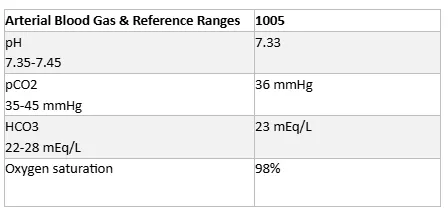 Source : Archer ReviewSource : Archer ReviewSource : Archer ReviewSource : Archer Review
Source : Archer ReviewSource : Archer ReviewSource : Archer ReviewSource : Archer Review
Source : Archer ReviewSource : Archer ReviewSource : Archer ReviewSource : Archer Review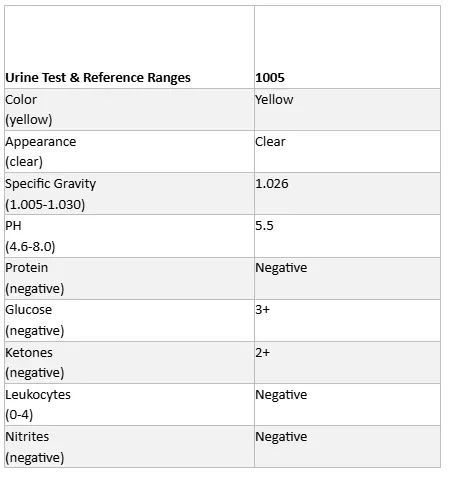 Source : Archer ReviewSource : Archer ReviewSource : Archer ReviewSource : Archer Review
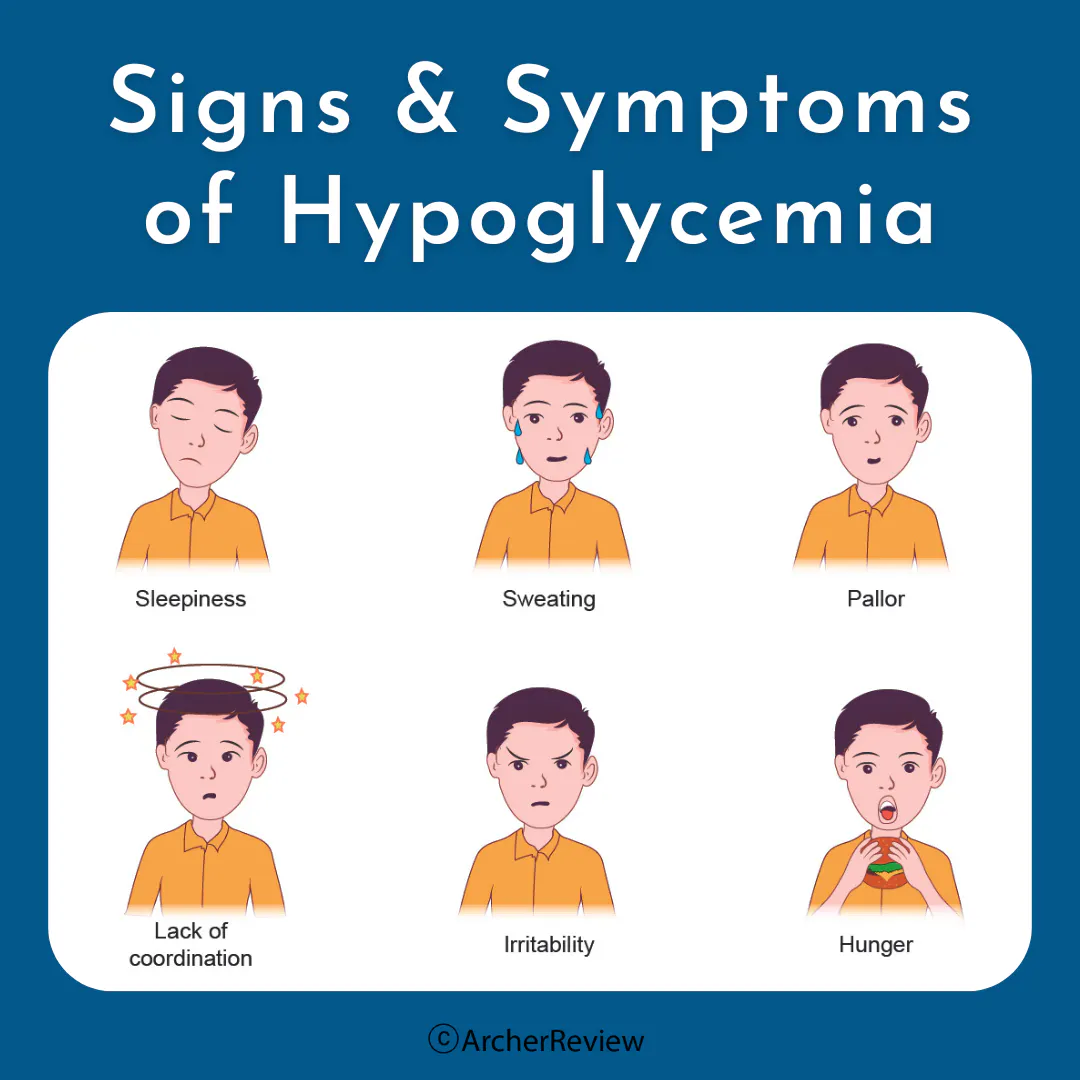
The nurse is teaching a 12-year-old client with newly diagnosed diabetes mellitus (type one) about the signs of hypoglycemia for management of their condition.
Drag from the word choices to complete the sentence below.
The nurse is teaching a 12-year-old client with newly diagnosed diabetes mellitus (type one) about the signs of hypoglycemia for management of their condition.
Drag from the word choices to complete the sentence below.
The nurse should include symptoms of hypoglycemia, such as
,
, and
.
Word Choices
- dizziness
- flushed skin
- blurry vision
- sweating
Statistics
Subject/Lesson
Subject
Child Health
Lesson
Endocrine
Client Need
Test Plan
Reduction of Risk Potential
Related Topic
Potential for Alterations in Body Systems
Item Type
Item Type
TakeAction
Explanation
- The nurse should prioritize teaching the client how to recognize symptoms of hypoglycemia, a potentially life-threatening complication of insulin therapy. This is especially important in children newly diagnosed with diabetes mellitus (type one) who are learning to self-manage insulin. Common signs of hypoglycemia include dizziness, shakiness, and sweating, which result from the body's release of adrenaline in response to low blood glucose. These symptoms are early warning signs and can progress to confusion and loss of consciousness if untreated.
- Teaching the child and their caregivers to recognize these early cues empowers them to treat hypoglycemia promptly and avoid emergency situations.
- Other options listed are either symptoms of hyperglycemia or unrelated conditions. For example, increased thirst, fruity breath, and blurry vision are more commonly associated with hyperglycemia and the early stages of diabetic ketoacidosis.
- Flushed skin may occur with fever or exertion, but is not a hallmark symptom of hypoglycemia.
Related Videos
2 Key Topics
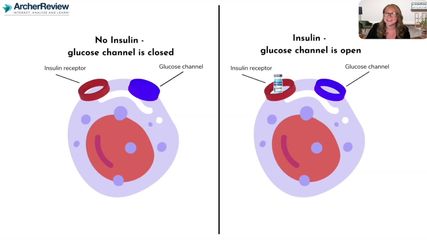
Diabetes Mellitus Type I