A 12-year-old female presented to the emergency department with ongoing fatigue and recent weight loss over the past two weeks.
Item 1 of 6
- Nurses’ Notes
1000: A 12-year-old female presented to the emergency department with ongoing fatigue and recent weight loss over the past two weeks. The client’s caregiver states she has been experiencing increased thirst and frequent urination, including throughout the night. The client has no significant past medical history. Upon assessment, the client’s mucous membranes are dry. Pulses are regular and palpable. Lung sounds are clear. The abdomen is soft and nontender. The client is alert and oriented x4, but reports a headache, rated 5/10. Immunizations are up to date. Vital signs are T 98.9°F (37.2°C), HR 112, RR 26, BP 92/54, SpO₂ 98% on room air. Fingerstick glucose level is 396 mg/dL (22.0 mmol/L).
- Orders
1000
- CBC
- BMP
- UA
- HbA1C
- ABG
A nurse reviews the admission data for a 12-year-old client admitted from the emergency department.
Which finding requires further assessment by the nurse? Select all that apply.
A nurse reviews the admission data for a 12-year-old client admitted from the emergency department.
Which finding requires further assessment by the nurse? Select all that apply.
Statistics
Subject/Lesson
Subject
Child Health
Lesson
Endocrine
Client Need
Test Plan
Reduction of Risk Potential
Related Topic
Potential for Alterations in Body Systems
Item Type
Item Type
RecognizeCues
Explanation
- The client’s report of recent weight loss may reflect an underlying imbalance or a metabolic issue requiring follow-up. Nighttime urination is an abnormal finding for this age and may suggest a urinary complication or an underlying systemic cause.
- Dry mucous membranes on physical exam further support a state of fluid deficit warrants ongoing monitoring.
- A heart rate of 112 bpm and a respiratory rate of 26 breaths/min exceed the expected range and may reflect a compensatory response.
- The client's blood pressure of 92/54 is low and shows a significant fluid volume deficit.
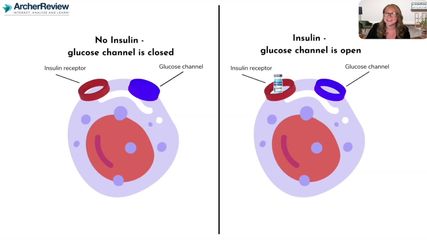
- Finally, a fingerstick glucose of 396 mg/dL (22.0 mmol/L) is markedly elevated and requires immediate attention, as it may reflect an acute disturbance in glucose regulation.
- Immunizations that are up to date do not require any further intervention. The client’s temperature and oxygen saturation are within normal limits and can be monitored.
Related Videos
2 Key Topics
Diabetes Mellitus Type I
