The nurse is caring for a client immediately following hypophysectomy. The nurse should position the client
The nurse is caring for a client immediately following hypophysectomy. The nurse should position the client
A. Trendelenburg
[10%]
B. Side-lying
[17%]
C. high-Fowler's
[59%]
D. Reverse Trendelenburg
[14%]
Statistics
Subject/Lesson
Subject
Fundamentals
Lesson
Perioperative Care
Client Need
Test Plan
Reduction of Risk Potential
Related Topic
Potential for Complications from Surgical Procedures and Health Alterations
Item Type
Item Type
Knowledge/Comprehension
Explanation
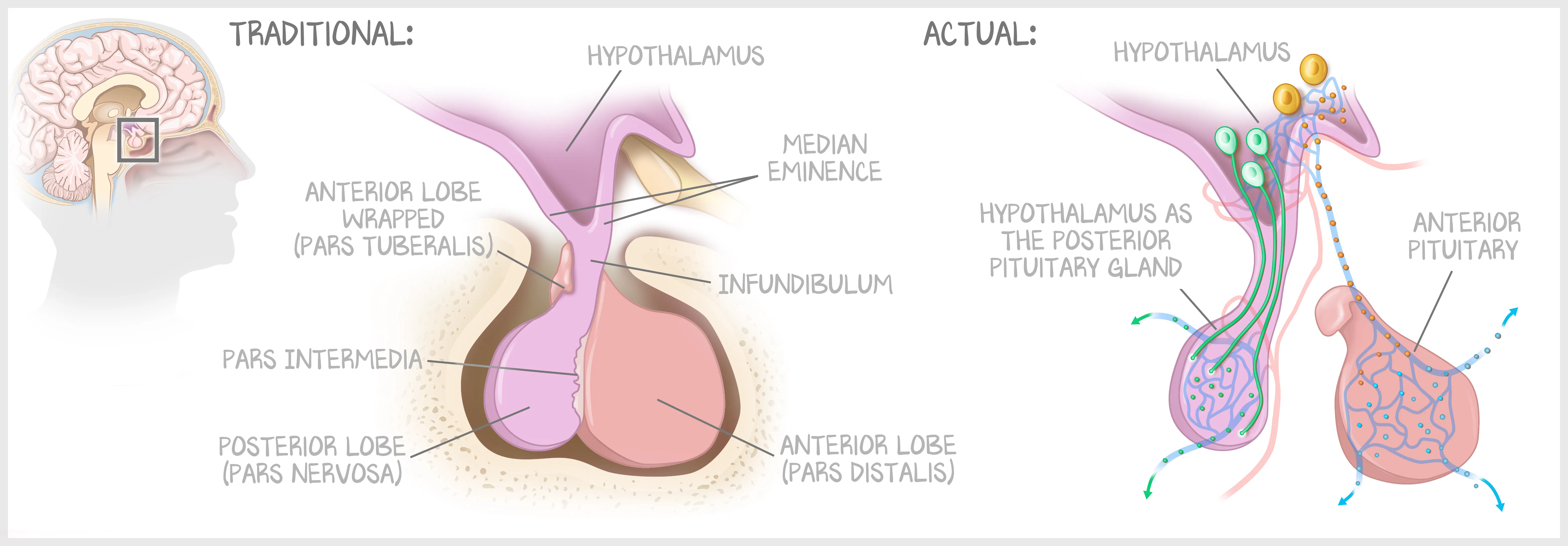
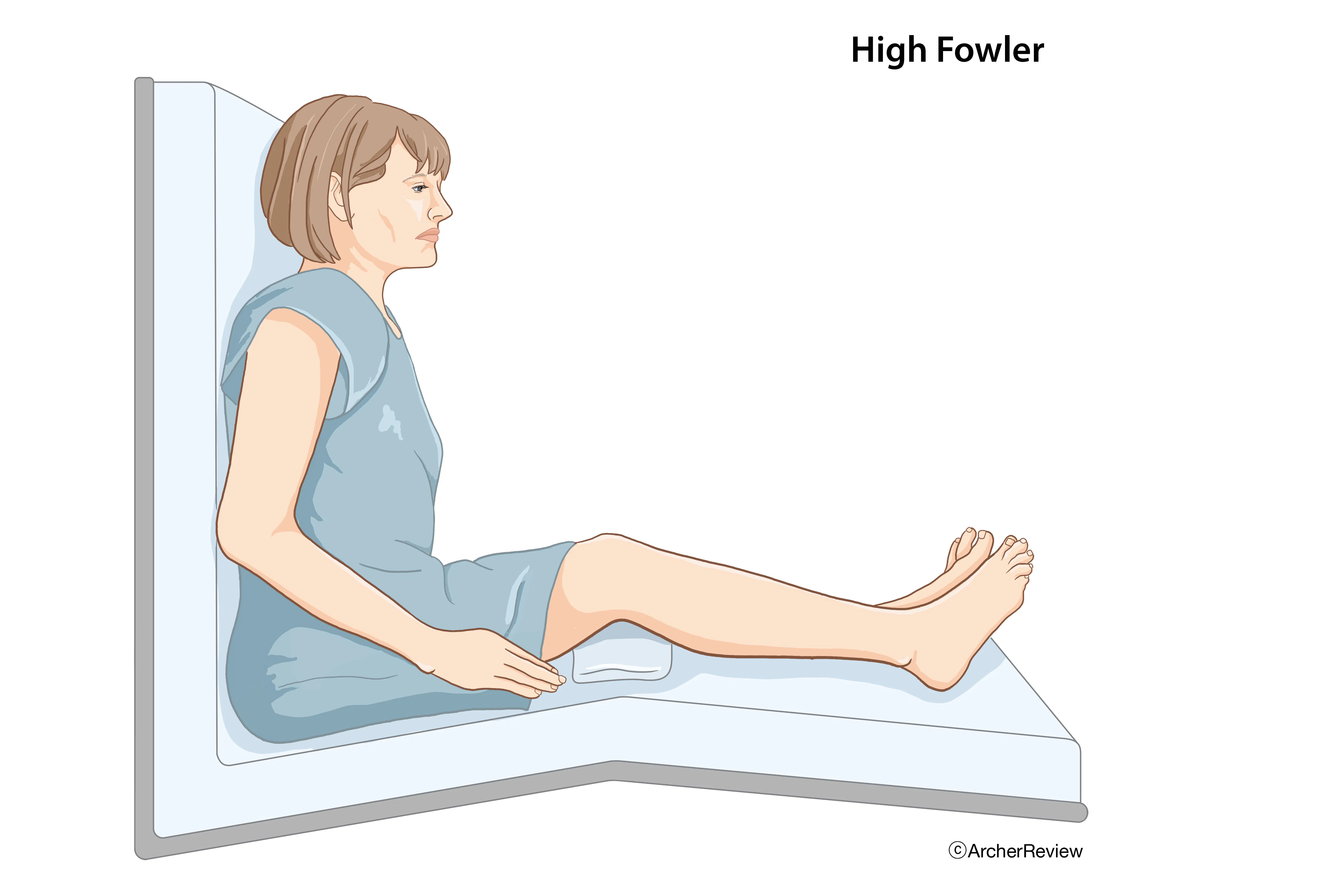
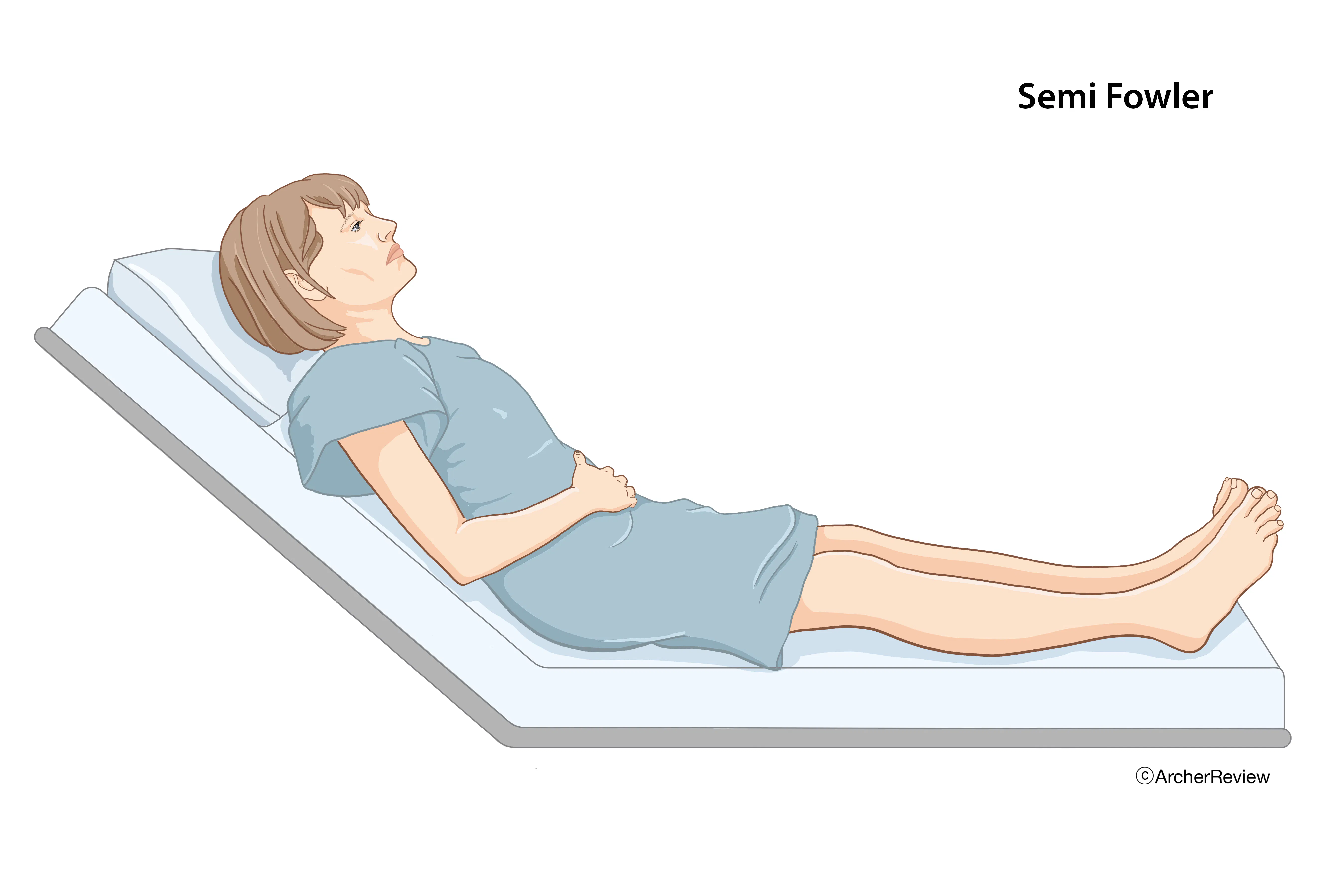
Choice C is correct. Hypophysectomy is generally performed via the transsphenoidal route to remove tumors from the pituitary gland. Semi-Fowler's to Fowler’s position is the most appropriate as it facilitates drainage.
Choices A, B, and D are incorrect. These positions would be contraindicated after hypophysectomy. The goal of positioning the client semi- of high-Fowlers is to decrease edema and facilitate gas exchange.
Related Videos
2 Key Topics
Fowlers & High Fowler's
9.9 Fowler's Positions
Additional Info
✓ Hypophysectomy is a surgery to remove a pituitary tumor or remove the pituitary gland
✓ The approach is most likely transnasal via endoscopy
✓ Complications of this surgical procedure include CSF leak, infection, diabetes insipidus, and hypopituitarism
✓ Postoperatively, the head of the bed should be elevated semi- to high-Fowler's
✓ The client should be instructed not to cough, sneeze, or blow their nose
✓ The client should not bend at their waist to prevent the rising of intracranial pressure
✓ The client should use mouthwash or dental floss for several days to allow the surgical incision to heal
✓ Drainage should be monitored for CSF which would be a light yellow color at the edge of the clear drainage on the dressing is called the halo sign and indicates CSF