The nurse in the medical-surgical unit is caring for a 59-year-old female
Item 1 of 1
- Nurses' Notes
0845: Morning capillary blood glucose obtained of 189 mg/dL (10.4 mmol/L). 4 units of lispro insulin administered per sliding scale. Vancomycin infusion started at this time in left peripheral vascular access device that was patent with positive blood return. Call bell placed within reach.
0950: The client alerted RN that they 'didn't feel good.' The client appeared pale, diaphoretic, and lethargic. The client's words became slurred, and she was disoriented, asking, "where am I?" 'The client's breakfast tray appeared untouched. The client's capillary blood glucose was obtained at 41 mg/dL (2.2 mmol/L). Glasgow coma scale: 13. Vital signs: T 98° F (36.7° C), P 108, RR 22, BP 150/86, pulse oximetry reading 95%. A rapid response was called because of the client's condition change.
1000: Rapid response team arrived at the bedside. Report was given to the rapid response nurse.
- Medical History
- Diabetes mellitus, type I
- Hyperlipidemia
- Pericarditis
- Asthma
- Orders
0700:
- Admit to medical/surgical for cellulitis
- vancomycin 1 g, IV, every 12 hours
- Resume all home medications
- Insulin lispro, sliding scale, before meals
- Consistent carbohydrate diet
- Daily labs: complete blood count and comprehensive metabolic panel
The rapid response nurse receives report from the primary nurse and reviews the medical record
Complete the diagram by dragging from the choices below to specify what condition the client is most likely experiencing, two (2) actions the nurse should take to address that condition, and two (2) parameters the nurse should monitor to assess the client's progress
The rapid response nurse receives report from the primary nurse and reviews the medical record
Complete the diagram by dragging from the choices below to specify what condition the client is most likely experiencing, two (2) actions the nurse should take to address that condition, and two (2) parameters the nurse should monitor to assess the client's progress
Action to Take
- Have the client drink 8 ounces (240 mL) of skim milk
- Stop the vancomycin infusion
Potential Condition
- Diabetic ketoacidosis (DKA)
- Hypoglycemia
- Vancoymycin infusion reaction
Parameters to Monitor
- Creatinine
- Urinary ketones
Statistics
Subject/Lesson
Subject
Adult Health
Lesson
Endocrine
Client Need
Test Plan
Physiological Adaptation
Related Topic
Medical Emergencies
Item Type
Item Type
NgnAll
Explanation
- The client is experiencing hypoglycemia because of the insulin administered and an uneaten meal tray. The client needs glucagon to increase the significantly low blood glucose level. The nurse should keep the client's NPO to prevent injury. The nurse should not feed the client because of their lethargy and slurred speech, which puts them at risk for aspiration.
- The nurse should recheck the client's capillary blood glucose to determine the effectiveness of the glucagon.
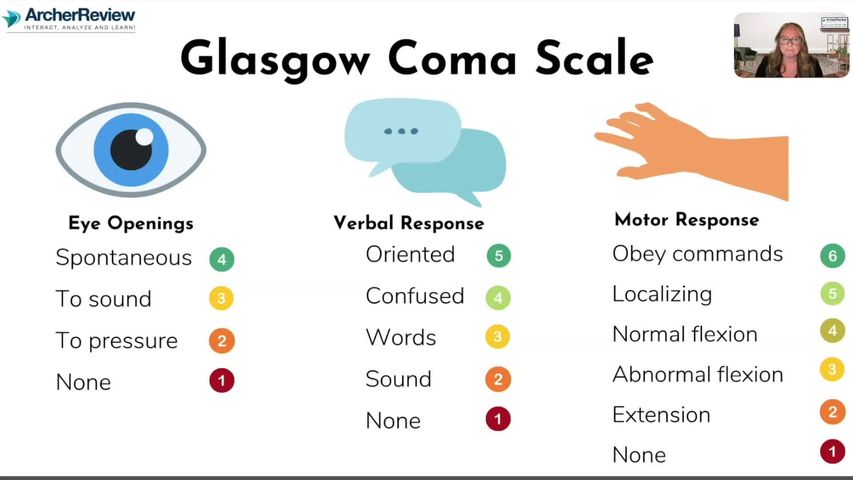
- The nurse should also monitor the client's Glasgow coma scale since the initial assessment was 13. The highest score for the GCS is 15. If the client responds to the glucagon, their glucose and level of consciousness will increase.
- While the client is receiving IV vancomycin, no clinical data supports an adverse reaction. A common vancomycin infusion reaction is a hypersensitivity known as 'red man syndrome,' where the client experiences an erythematous rash on the torso and the neck.
- Diabetic ketoacidosis is not plausible because the client's glucose is significantly low, not high, which is required for DKA to be diagnosed (along with ketones in the urine).
- While the client's mental status has changed and symptoms overlap with a stroke, the client's manifestations are best explained by hypoglycemia. This is why capillary blood glucose is obtained to exclude hypoglycemia if a client presents with CVA symptoms.
- Creatinine needs to be monitored during vancomycin therapy, but the client's issue has nothing to do with vancomycin.
Related Videos
5 Key Topics
Hypoglycemia
19.10 Diabetes Mellitus & Glycemic Control
Glasgow Coma Scale- Critical Care
27.2 Critical Care Neurovascular System
Additional Info
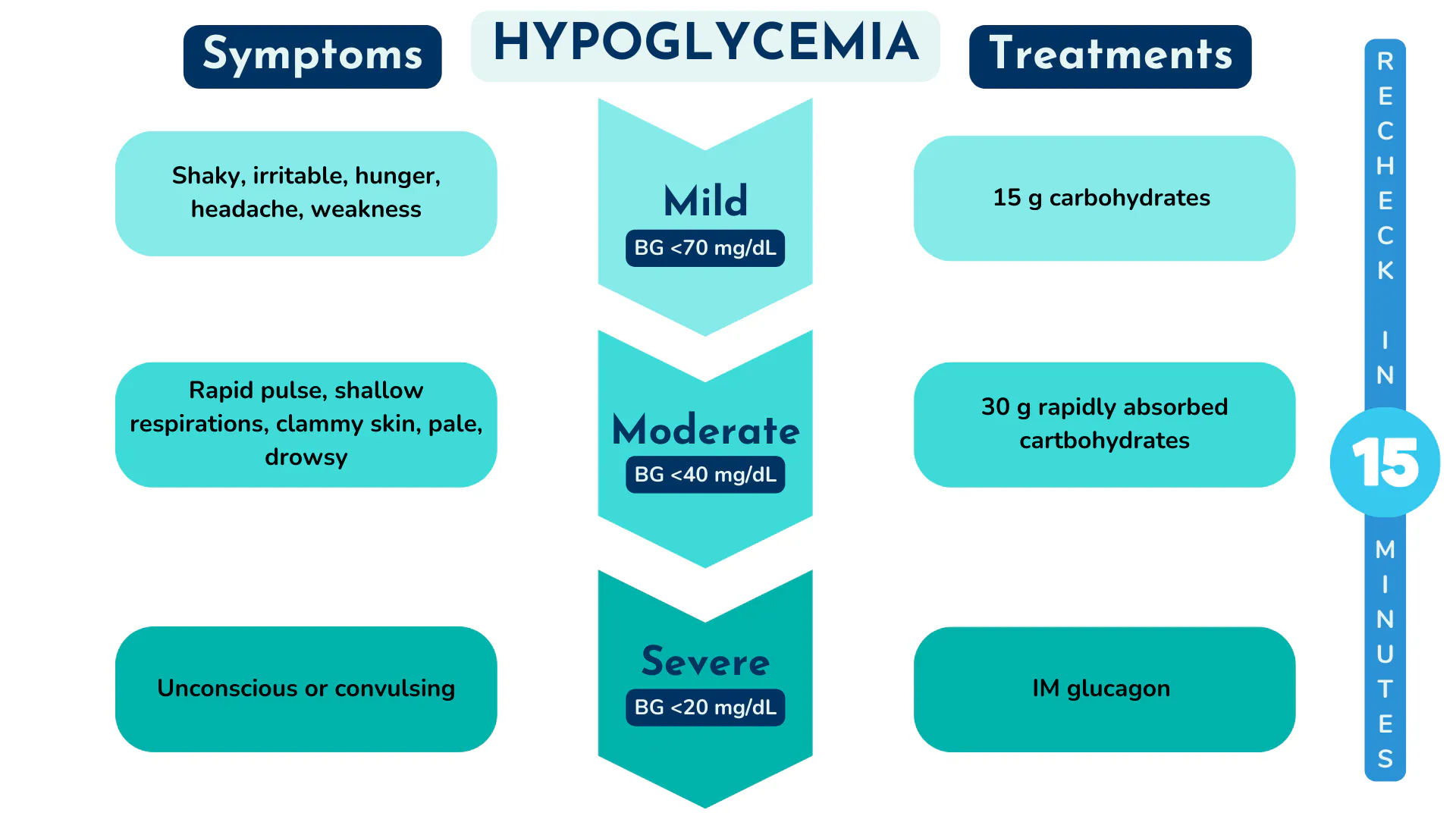
For a client experiencing hypoglycemia, the nurse should adhere to the Rule of 15's.
For mild hypoglycemia (hungry, irritable, shaky, weak, headache, fully conscious; blood glucose usually less than 70 mg/dL [3.9 mmol/L]):
• Treat the symptoms of hypoglycemia with 15 g of carbohydrates. • Glucose tablets or glucose gel (dosage is printed on the package) • A half-cup (120 mL) of fruit juice or of regular (nondiet) soft drink • 8 ounces (240 mL) of skim milk • 1 tablespoon (15 mL) of honey or syrup • Retest blood glucose in 15 minutes.
For moderate hypoglycemia (cold, clammy skin; pale; rapid pulse; rapid, shallow respirations; marked change in mood; drowsiness; blood glucose usually less than 40 mg/dL [2.2 mmol/L]):
• Treat the symptoms of hypoglycemia with 30 g of rapidly absorbed carbohydrates. • Retest glucose in 15 minutes. • Repeat treatment if glucose is less than 60 mg/dL (3.4 mmol/L).
For severe hypoglycemia (unable to swallow; unconsciousness or convulsions; blood glucose usually less than 20 mg/dL [1.0 mmol/L]):
• Treatment administered by family members: • Give a prescribed dose of glucagon as an intramuscular or subcutaneous injection. • Give a second dose in 10 minutes if the person remains unconscious and call 911.
If the client is hypoglycemic and lethargic, the nurse should exercise good clinical judgment, administer parenteral treatment, and not risk aspiration by having the client eat/drink