The nurse is in an elevator and overhears two staff members discussing a client's condition.
Which ethical principle does the nurse recognize may be potentially violated by this conversation?
The nurse is in an elevator and overhears two staff members discussing a client's condition.
Which ethical principle does the nurse recognize may be potentially violated by this conversation?
A. Beneficence
[10%]
B. Confidentiality
[86%]
C. Autonomy
[2%]
D. Veracity
[2%]
Statistics
Subject/Lesson
Subject
Leadership & Management
Lesson
Ethical/Legal
Client Need
Test Plan
Management of Care
Related Topic
Confidentiality/Information Security
Item Type
Item Type
Analysis
Explanation
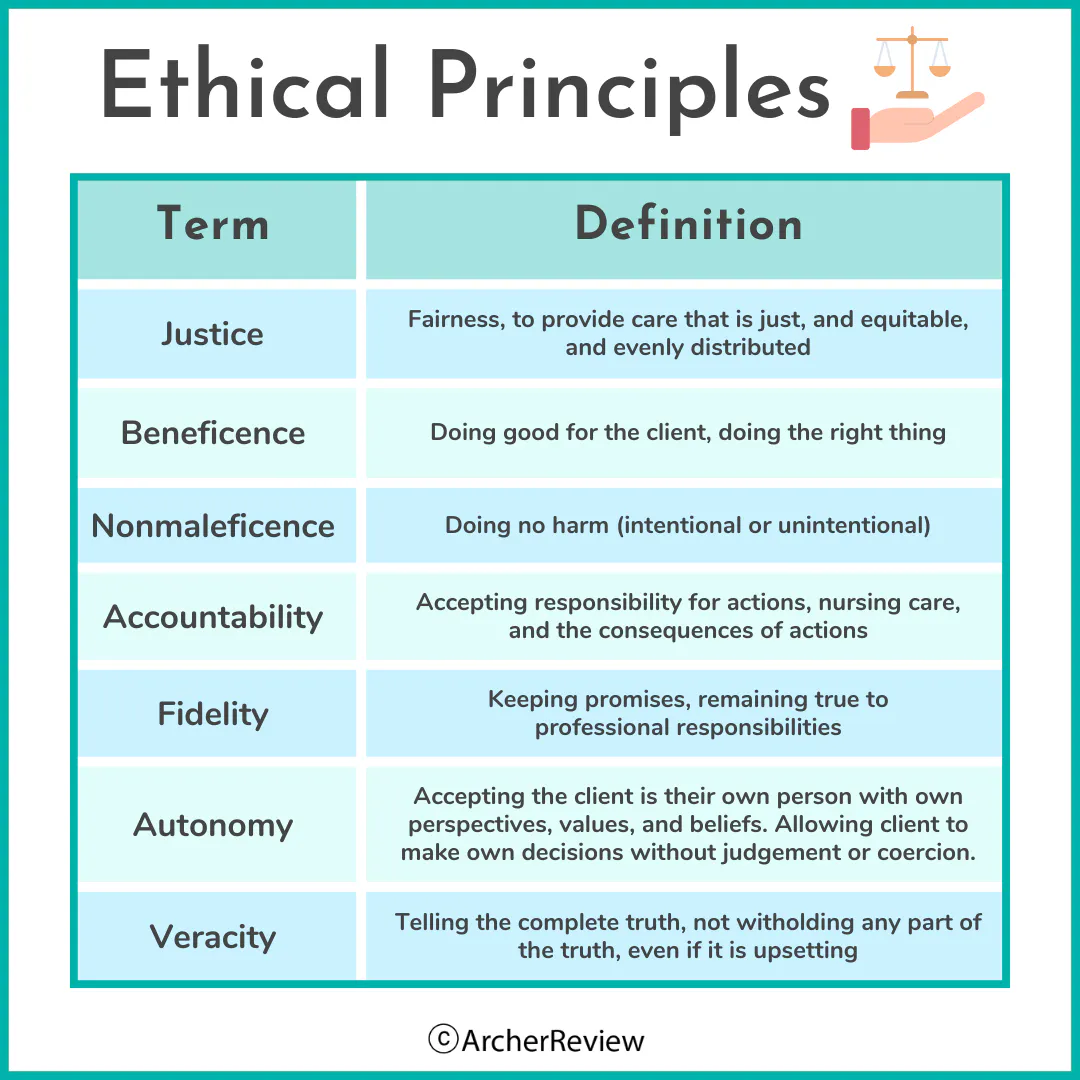
Choice B is correct. Confidentiality involves the responsibility of healthcare professionals to safeguard private client information and only share it with those directly involved in the client's care, and only in appropriate, private settings.
In this scenario, the staff members are discussing sensitive client information in a public space—an elevator—where others, like the nurse, can overhear. This clearly violates the principle of confidentiality, as it exposes client health details to individuals who may not have the right to know, thereby undermining trust and legal protections around patient privacy.
Choice A is incorrect. Beneficence refers to the ethical obligation to act in the client's best interest by promoting well-being and preventing harm. In this scenario, while it could be argued that indiscreet conversations may eventually lead to harm, the core issue is not about whether the staff were doing good or preventing harm—it is about their failure to protect private health information. Therefore, beneficence is not the primary principle being violated here.
Choice C is incorrect. Autonomy is the principle that supports a client's right to make decisions about their care, based on full and accurate information. While autonomy is crucial in healthcare ethics, this scenario does not involve any element of client decision-making or consent. The nurse's concern is about what is being said inappropriately by staff, not whether the client is being allowed to make informed choices. Therefore, autonomy is not relevant to the ethical issue at hand.
Choice D is incorrect. Veracity refers to the ethical obligation to tell the truth and provide honest information to clients. This principle is central in building trust and ensuring informed consent. However, in this situation, the issue isn't whether the staff are being truthful—it's about the inappropriate disclosure of private client information in a public space. Thus, while veracity is an essential ethical principle, it does not apply to the concern the nurse is recognizing in this context.
Learning Objective
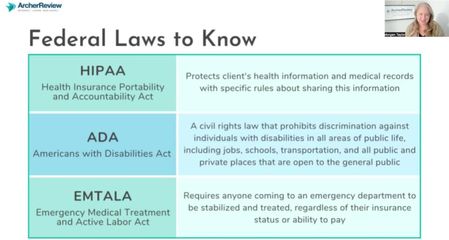
Recognize that the question asked violated the client's right to healthcare information privacy.
Related Videos
2 Key Topics
HIPAA