The nurse is providing discharge instructions to a client who speaks a language different from the nurse's. The client's family members are present, and they speak English. Which action by the nurse is the most appropriate to ensure effective communication during the discharge process?
The nurse is providing discharge instructions to a client who speaks a language different from the nurse's. The client's family members are present, and they speak English. Which action by the nurse is the most appropriate to ensure effective communication during the discharge process?
A. Use a smartphone translation app to convey the instructions to the client.
[0%]
B. Provide written material in the client's language and provide oral instructions in English.
[2%]
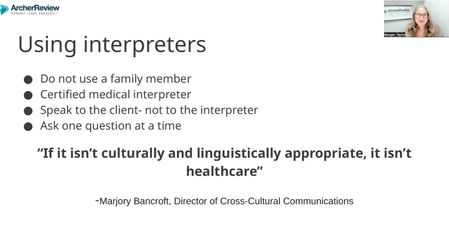
C. Request an interpreter from the hospital's language services to assist with the discharge instructions.
[94%]
D. Summarize the instructions in basic English and have the family members relay the information to the client.
[4%]
Statistics
Subject/Lesson
Subject
Leadership & Management
Lesson
Ethical/Legal
Client Need
Test Plan
Management of Care
Related Topic
Advocacy
Item Type
Item Type
Application
Explanation
Choice C is correct. Requesting an interpreter from the hospital's language services ensures accurate and clear communication between the nurse, client, and family members. A professional interpreter can convey the discharge instructions accurately, address any questions or concerns, and ensure the client's comprehension, promoting safer care and better outcomes.
Choice A is incorrect. While using a smartphone translation app may seem convenient, it may not provide accurate or comprehensive communication, especially for complex medical information. Additionally, it may be challenging to ensure the client's understanding without real-time feedback from a professional interpreter.
Choice B is incorrect. Providing written material in the client's language is a proactive step to ensure the client receives information in a format they can understand. However, providing oral instructions in English does not effectively supplement the written material, as the client does not understand English. This approach could lead to confusion and incomplete understanding of the discharge instructions.
Choice D is incorrect. Summarizing the instructions in basic English and having the family members relay the information to the client risks miscommunication and incomplete understanding of the discharge instructions, potentially leading to adverse outcomes. It is essential to ensure that instructions are accurately conveyed and understood, which may not be achieved through this approach.
Related Videos
2 Key Topics
Interpreters
13.8 Communication & Language Access
Additional Info
✓ Ensure privacy and confidentiality when using interpreters or discussing sensitive medical information. Professional interpreters adhere to strict confidentiality standards, but nurses should also maintain discretion and sensitivity during client interactions to protect privacy rights.
✓ Nurses should be culturally sensitive and respectful of the client's cultural background and beliefs. Cultural competence enhances communication and fosters trust between the nurse and the client. Understanding cultural norms, values, and communication styles can help nurses tailor their approach to meet the client's needs.
✓ Nurses should accurately document communication with clients who require language assistance. Documenting the use of interpreters, the client's preferred language, and any communication barriers ensures continuity of care and promotes legal and ethical compliance.
