The nurse is caring for a school-age child with an acute asthma exacerbation. The nurse plans to offer a developmentally appropriate play activity.
Which of the following is most appropriate?
The nurse is caring for a school-age child with an acute asthma exacerbation. The nurse plans to offer a developmentally appropriate play activity.
Which of the following is most appropriate?
A. Arts and crafts using acrylic spray paint
[9%]
B. A game of hide and seek in the hallway
[8%]
C. Puzzles with a hand-held electronic device
[62%]
D. Building a tower with foam blocks
[21%]
Statistics
Subject/Lesson
Subject
Child Health
Lesson
Respiratory
Client Need
Test Plan
Physiological Adaptation
Related Topic
Illness Management
Item Type
Item Type
Application
Explanation
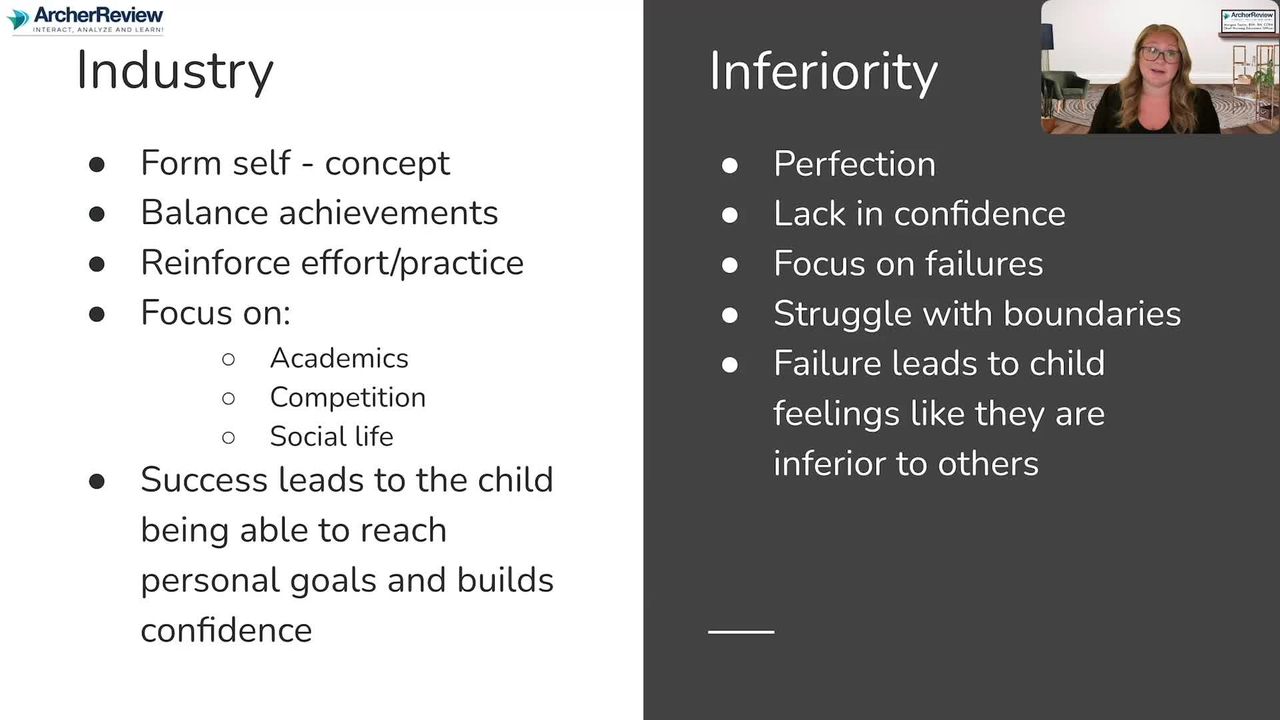
Choice C is correct. Puzzles on a hand-held electronic device are a developmentally appropriate activity for a school-age child (6–12 years). Children in this stage of development benefit from activities that challenge cognitive skills, such as logic, pattern recognition, and problem-solving. Electronic puzzles provide mental stimulation while accommodating the child's need for sedentary play during an asthma exacerbation, when physical exertion must be avoided.
Choice A is incorrect. This option poses a significant respiratory hazard for a child with asthma, especially during an acute exacerbation. Spray paints release volatile organic compounds (VOCs) and particulates that can trigger bronchospasm or worsen airway inflammation. Even in a well-ventilated area, aerosolized chemicals are inappropriate for use around individuals with reactive airway diseases.
Choice B is incorrect. Hide and seek requires running, fast movement, and physical exertion, which are contraindicated during an asthma exacerbation. Physical activity increases oxygen demand and can precipitate bronchospasm or respiratory distress, even in stable clients.
Choice D is incorrect. While safe and quiet, this activity is more suitable for toddlers or preschool-age children (typically ages 1–5), who engage in simple, constructive, and sensorimotor play. School-age children, by contrast, prefer more complex and mentally engaging play, such as board games, reading, or age-appropriate technology-based tasks. Offering developmentally mismatched play may lead to disengagement or frustration, which can interfere with coping and adjustment to hospitalization.
Related Videos
2 Key Topics
School Age Growth and Development
14.10 School Age + Adolescent Growth and Development
Additional Info
✓ When a school-aged child is hospitalized, the nurse should encourage the child to continue schoolwork.
✓ The child may be concerned with missing school and have a fear that friends may forget about them.
✓ Offer choices to the school-aged child and encourage them to reach out to peers.
