A pediatric nurse is caring for a 6-year-old child who underwent placement of a ventriculoperitoneal (VP) shunt for the management of hydrocephalus. Which of the following statements by the child's caregiver indicates an understanding of potential complications associated with the VP shunt?
A pediatric nurse is caring for a 6-year-old child who underwent placement of a ventriculoperitoneal (VP) shunt for the management of hydrocephalus. Which of the following statements by the child's caregiver indicates an understanding of potential complications associated with the VP shunt?
A. "We should expect the child to have frequent nosebleeds due to the shunt."
[6%]
B. "We need to monitor the child for signs of abdominal distention or discomfort."
[73%]
C. "The child may experience increased thirst and urination as a result of the shunt."
[16%]
D. "It's normal for the child to have difficulty swallowing after the shunt placement."
[5%]
Statistics
Subject/Lesson
Subject
Child Health
Lesson
Neurologic
Client Need
Test Plan
Physiological Adaptation
Related Topic
Illness Management
Item Type
Item Type
Knowledge/Comprehension
Explanation
Choice B is correct. This statement demonstrates an understanding of potential complications associated with VP shunts. Abdominal distention or discomfort may indicate complications such as shunt malfunction, peritonitis, or bowel obstruction. Monitoring for signs of abdominal abnormalities is essential for early detection and intervention.
Choice A is incorrect. Nosebleeds are not a complication associated with VP shunts. While it's essential to monitor for signs of complications, such as infection or shunt malfunction, nosebleeds are not typically associated with VP shunts.
Choice C is incorrect. Increased thirst and urination are not typical complications associated with VP shunts. While it's important to monitor for signs of fluid imbalance or electrolyte abnormalities, such as dehydration or hyponatremia, these symptoms are not directly related to VP shunt placement.
Choice D is incorrect. Difficulty swallowing is not a complication associated with VP shunts. Common complications include infection, shunt malfunction, cerebrospinal fluid (CSF) leaks, and intracranial hemorrhage. Difficulty swallowing may indicate other issues unrelated to the VP shunt.
Related Videos
4 Key Topics
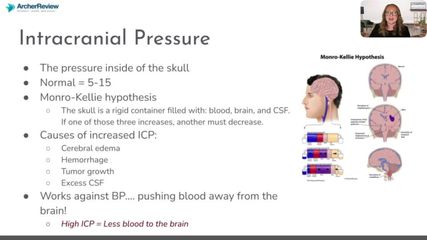
Drains
16.2 Neuro Assessment
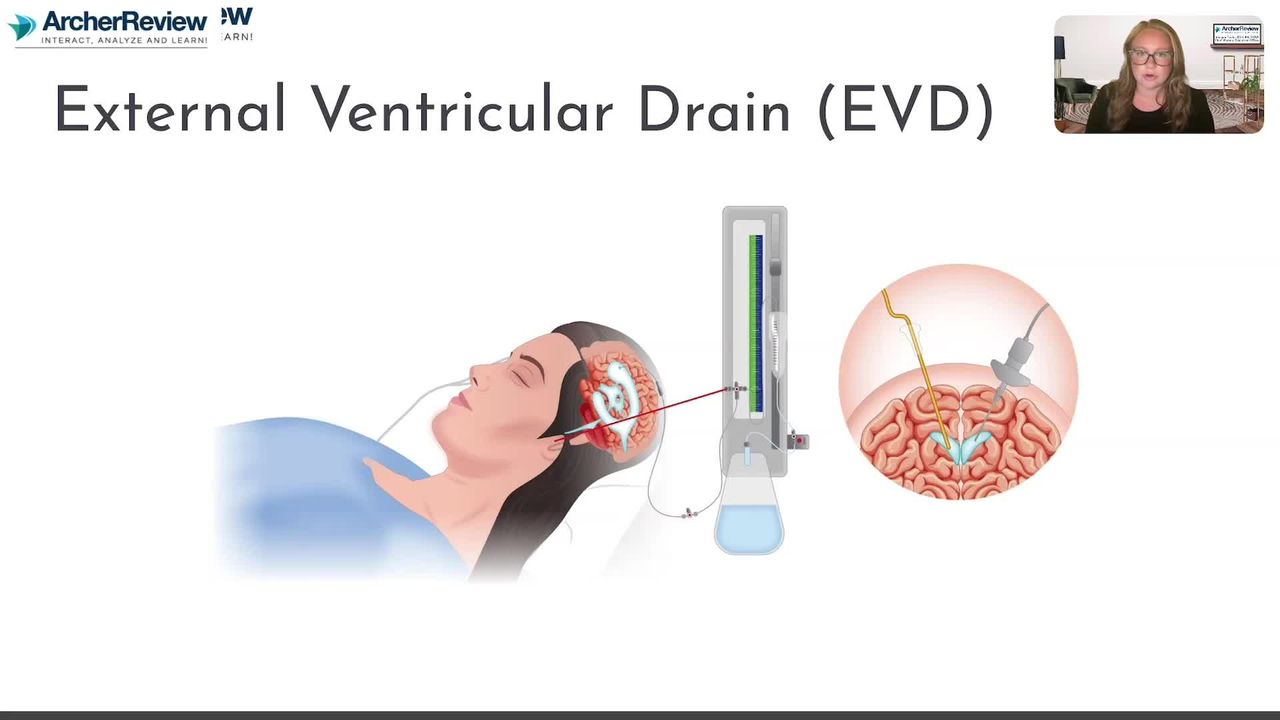
EVD & VP Shunts
31.9 Neurologic Disorders
Additional Info
✓ A VP shunt is a medical device used to treat hydrocephalus, a condition characterized by an abnormal accumulation of cerebrospinal fluid (CSF) within the brain's ventricles. The VP shunt helps to divert excess CSF away from the brain to another part of the body where it can be absorbed and eliminated.
✓ Hydrocephalus is a common indication for pediatric VP shunt placement. It is estimated that approximately 1 to 2 in every 1,000 live births are affected by hydrocephalus. This condition can occur due to various causes, including congenital malformations, infections, bleeding in the brain (such as intraventricular hemorrhage in premature infants), or tumors.
✓ Despite the benefits of VP shunt placement, complications are not uncommon and can significantly impact patient outcomes. The overall complication rate associated with VP shunts in pediatric patients ranges from 20% to 40%.
