The nurse is performing discharge teaching to the parents of a 17-year-old male diagnosed with a moderate concussion.
Which of the following statements by the parents would indicate effective understanding?
The nurse is performing discharge teaching to the parents of a 17-year-old male diagnosed with a moderate concussion.
Which of the following statements by the parents would indicate effective understanding?
A. "I should wake my child up every two hours to check how he is feeling."
[20%]
B. "I should put extra padding underneath his football helmet for tomorrow's practice."
[7%]
C. "I will not let him drive until he is seen at his follow-up appointment."
[65%]
D. "He should stay active during the day and not take any naps."
[9%]
Statistics
Subject/Lesson
Subject
Child Health
Lesson
Neurologic
Client Need
Test Plan
Physiological Adaptation
Related Topic
Alterations in Body Systems
Item Type
Item Type
Analysis
Explanation
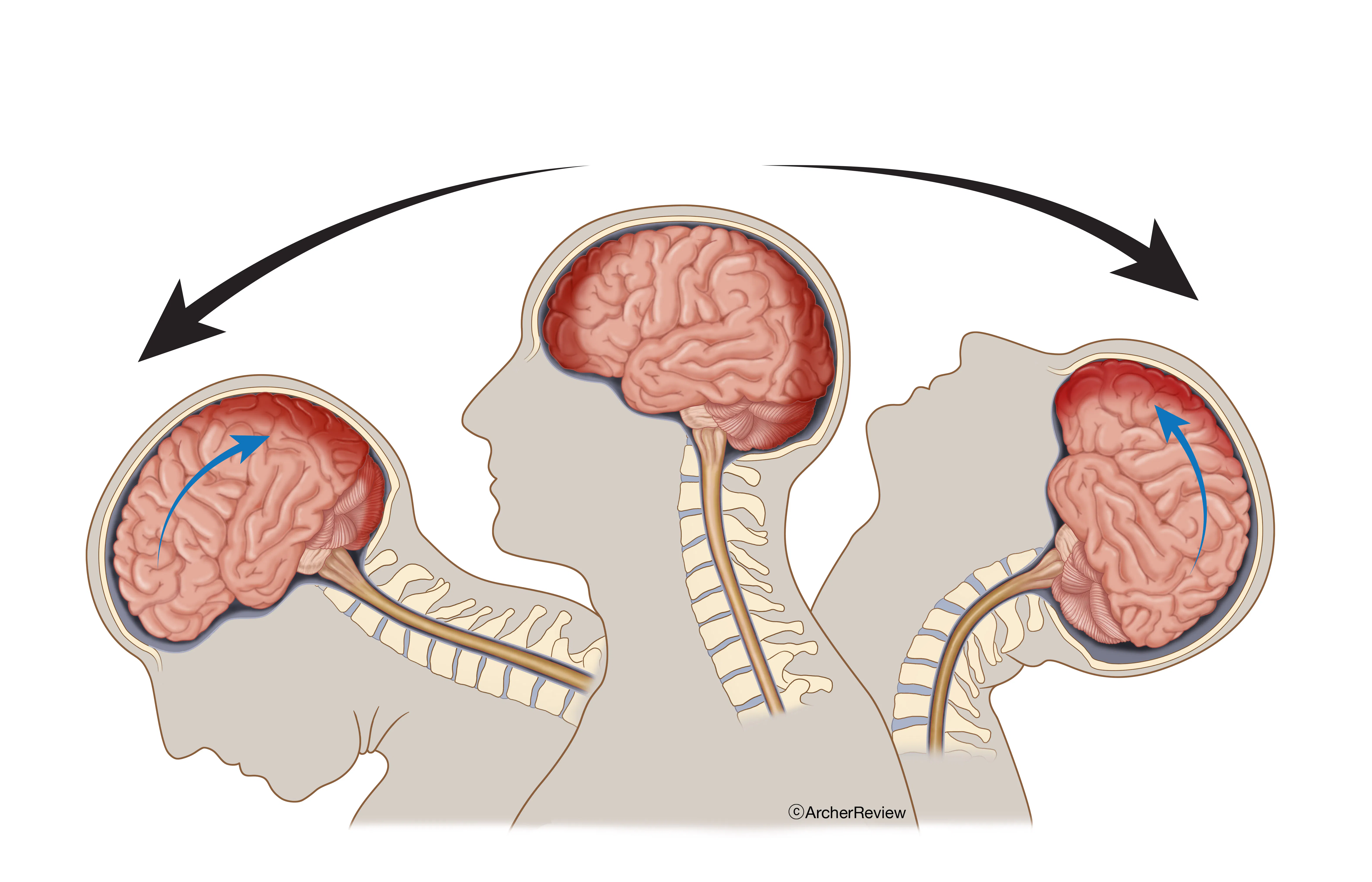
Choice C is correct. Strenuous activity, sports, and intense cognitive tasks should be delayed until the client has approval from the physician. Concussions vary in severity, but what they all have in common is that rest is necessary for the first two to three days. This includes taking it easy with restful sleep and taking naps as necessary. Intense physical and cognitive activities (contact sports, taking an exam, driving, excessive screen time) should be avoided for two to three days or until the physician has provided medical clearance.
Choice A is incorrect. Waking up a client with a concussion is detrimental. It is a myth to 'prevent the client from going to sleep' as regulating the sleep-wake cycle is part of the recovery.
Choice B is incorrect. Physical activities, such as football, should be suspended for at least two to three days or until the client gets clearance from the physician.
Choice D is incorrect. Naps are not prohibited while recovering from a concussion, as the emphasis is on the client taking it easy. Symptoms such as headaches may be treated with acetaminophen.
Related Videos
2 Key Topics
External Ventricular Drain
27.2 Critical Care Neurovascular System
Additional Info
✓ Dangerous Signs & Symptoms of a Concussion
- One pupil larger than the other
- Drowsiness or inability to wake up
- A headache that gets worse and does not go away
- Slurred speech, weakness, numbness, or decreased coordination
- Repeated vomiting or nausea, convulsions or seizures (shaking or twitching)
- Unusual behavior, increased confusion, restlessness, or agitation
- Loss of consciousness (passed out/knocked out)
✓ Review the gradual return to normal activities, emphasizing that the client should follow the healthcare provider's recommendations. Ensure that the parents understand the importance of a step-by-step approach.
✓ Instruct the parents on how to monitor the client's symptoms at home. Reinforce the signs and symptoms that should prompt immediate medical attention, such as worsening headache, repeated vomiting, confusion, or seizures.
