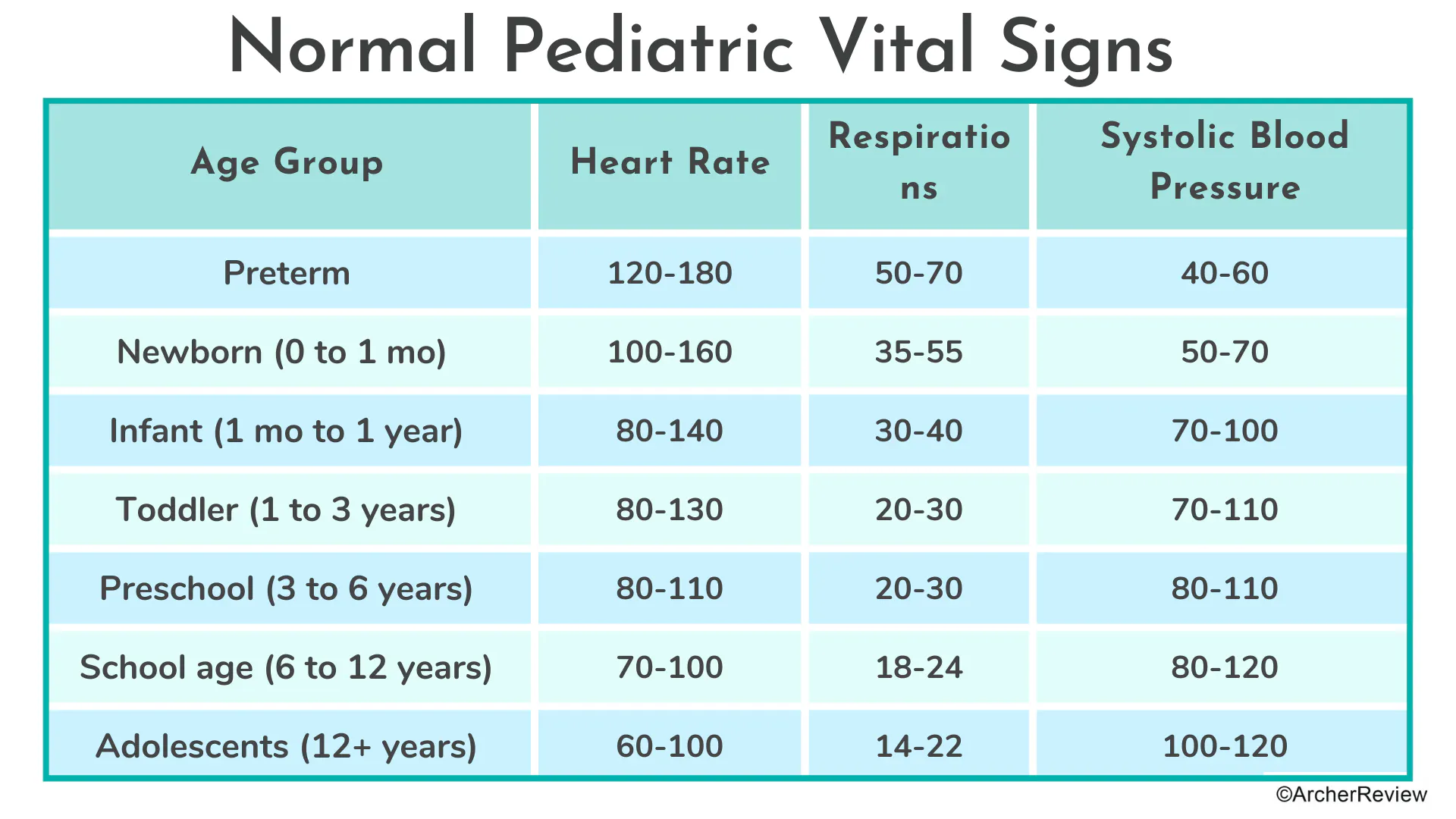
The nurse is caring for a 4-year-old client who suffered second and third-degree burns to the chest, abdomen, and legs. Vital signs: P 117, RR 44, BP 90/60, pulse oximetry reading 88% on room air.
The nurse should initially
The nurse is caring for a 4-year-old client who suffered second and third-degree burns to the chest, abdomen, and legs. Vital signs: P 117, RR 44, BP 90/60, pulse oximetry reading 88% on room air.
The nurse should initially
A. obtain a prescription for intravenous fluid replacement.
[37%]
B. prepare the client for airway intubation.
[61%]
C. perform wound care to the burned areas.
[1%]
D. review the client's laboratory data.
[1%]
Statistics
Subject/Lesson
Subject
Child Health
Lesson
Integumentary
Client Need
Test Plan
Reduction of Risk Potential
Related Topic
Potential for Alterations in Body Systems
Item Type
Item Type
Analysis
Explanation
Choice B is correct. The client is tachycardic, tachypneic, and has hypoxia. This client needs intubation and mechanical ventilation to secure an airway and prevent rapid respiratory failure due to inhalation injury.
Choice A is incorrect. Although fluid replacement will be necessary during the treatment of a burn victim, the client's vital signs indicate the potential for respiratory arrest. The nurse should first address the client's ineffective tissue perfusion by ensuring airway patency.
Choice C is incorrect. While wound care is undoubtedly essential for infection prevention and healing in the burn victim, there is a more urgent priority.
Choice D is incorrect. Reviewing the client's laboratory data is not an essential priority because the nurse needs to intervene regarding the client's respiratory status. Laboratory changes with a major thermal burn include hemoconcentration, hyperkalemia, and metabolic acidosis.
Related Videos
9 Key Topics
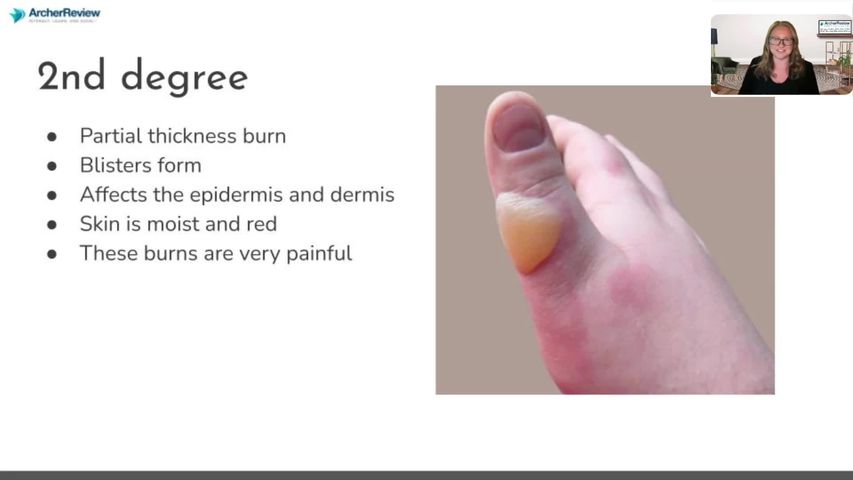
Burn Staging
25.7 Burns: Classification, Management & Complications
Burn Management
25.7 Burns: Classification, Management & Complications

ABCs: Airway
15.5 Prioritization Part 1
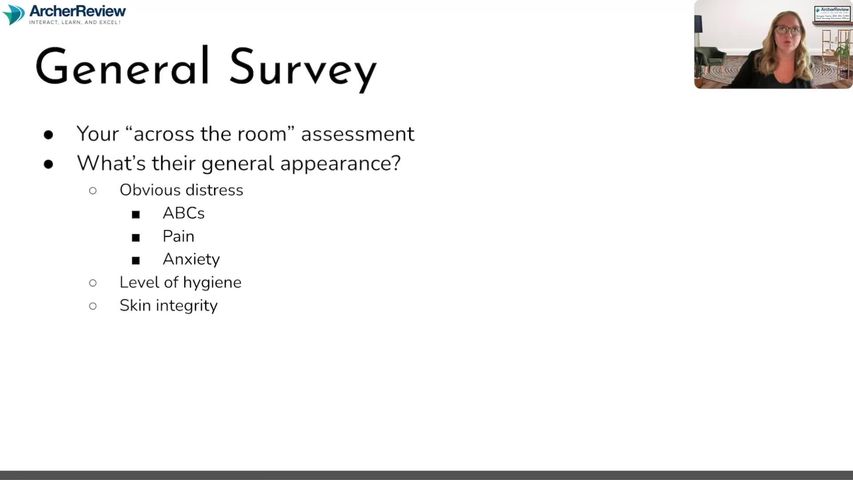
Measuring Vital Signs