The nurse is caring for a client receiving digoxin.
It would be a priority for the nurse to monitor the client's
The nurse is caring for a client receiving digoxin.
It would be a priority for the nurse to monitor the client's
A. potassium.
[90%]
B. chloride.
[2%]
C. sodium.
[7%]
D. phosphorus.
[1%]
Statistics
Subject/Lesson
Subject
Child Health
Lesson
Cardiovascular
Client Need
Test Plan
Pharmacological and Parenteral Therapies
Related Topic
Adverse Effects/Contraindications/Side Effects/Interactions
Item Type
Item Type
Knowledge/Comprehension
Explanation
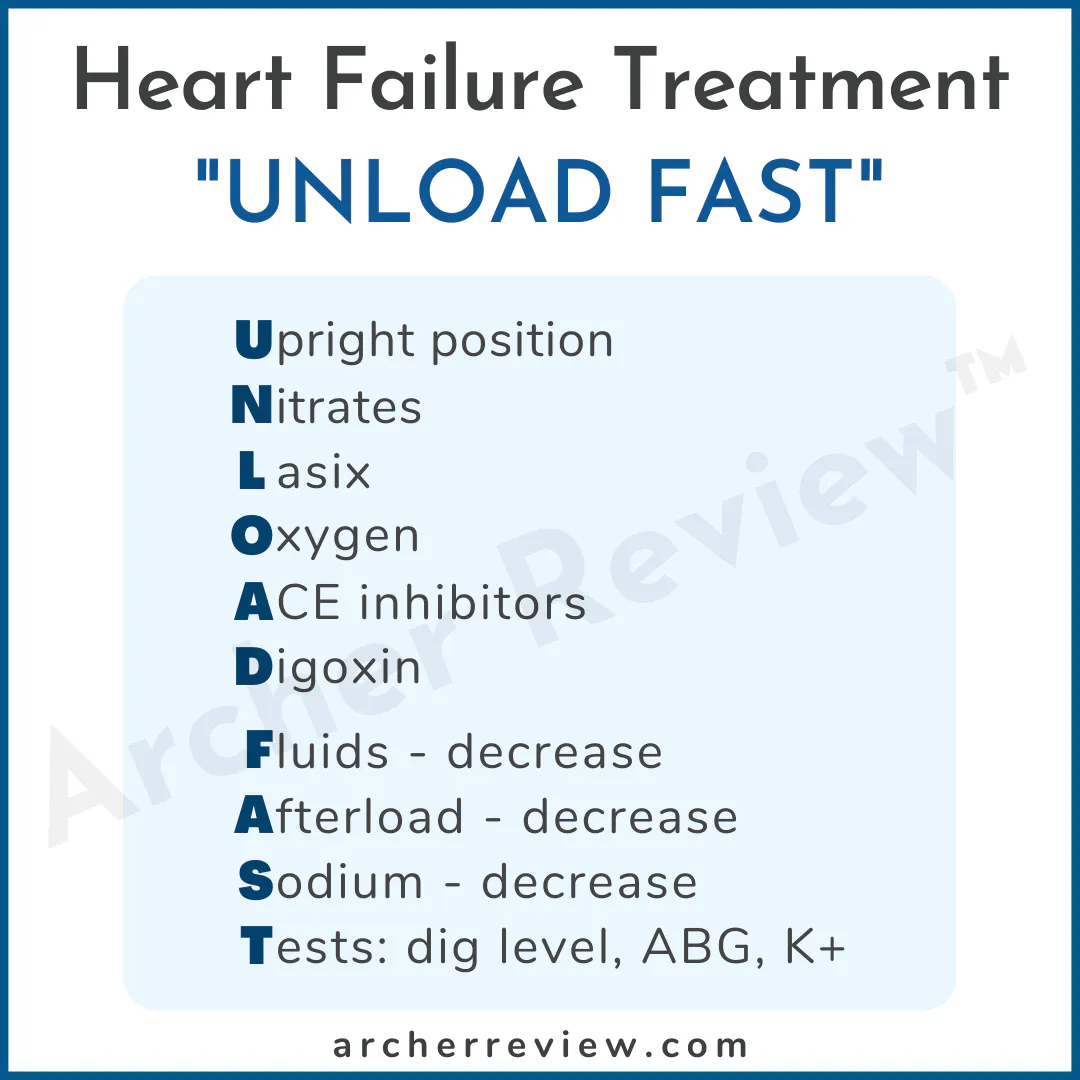
Choice A is correct. Potassium is crucial to monitor when clients are taking digoxin. Low potassium levels (hypokalemia) enhance the effects of digoxin on the myocardium, increasing the risk of digoxin toxicity, which may manifest as bradycardia, arrhythmias, nausea, and visual disturbances (e.g., seeing yellow halos). This is especially important if the client is also on potassium-wasting diuretics like furosemide.
Choice B is incorrect. Chloride maintains acid-base balance and regulates fluid, but is not directly involved in digoxin metabolism or toxicity. Abnormal chloride levels may reflect broader fluid or electrolyte imbalances but do not directly affect digoxin's action.
Choice C is incorrect. Sodium influences fluid balance and blood pressure, but it does not directly affect digoxin binding or toxicity. It may be monitored in a general assessment of the client's fluid/electrolyte status, especially if diuretics are prescribed. Still, electrolytes are not the priority when considering digoxin safety.
Choice D is incorrect. Phosphorus is essential for energy metabolism and bone health, but it does not directly impact digoxin efficacy or toxicity. Unless there is a specific comorbidity (e.g., chronic kidney disease), monitoring phosphorus is not a priority in clients receiving digoxin.
Related Videos
4 Key Topics
Antiarrhythmics
18.5 Cardiovascular Medications
Digoxin
6.4 Cardiovascular System Drugs
Additional Info
✓ Digoxin is a cardiac glycoside utilized in the treatment of atrial fibrillation and heart failure.
✓ While this medication has fallen out of favor because of its numerous interactions, it is still available.
✓ The apical pulse must be obtained prior to administering this medication. The apical pulse must be at least 60/minute for adults, 70/minute for children, and 90/minute for infants.
✓ The therapeutic level for digoxin is 0.5-2 ng/mL