The nurse is assessing a newborn client suspected of having tricuspid atresia.
Which assessment findings would support the diagnosis of tricuspid atresia?
The nurse is assessing a newborn client suspected of having tricuspid atresia.
Which assessment findings would support the diagnosis of tricuspid atresia?
A. projectile vomiting
[6%]
B. cyanosis
[71%]
C. bradycardia
[17%]
D. bradypnea
[5%]
Statistics
Subject/Lesson
Subject
Child Health
Lesson
Cardiovascular
Client Need
Test Plan
Physiological Adaptation
Related Topic
Alterations in Body Systems
Item Type
Item Type
Knowledge/Comprehension
Explanation
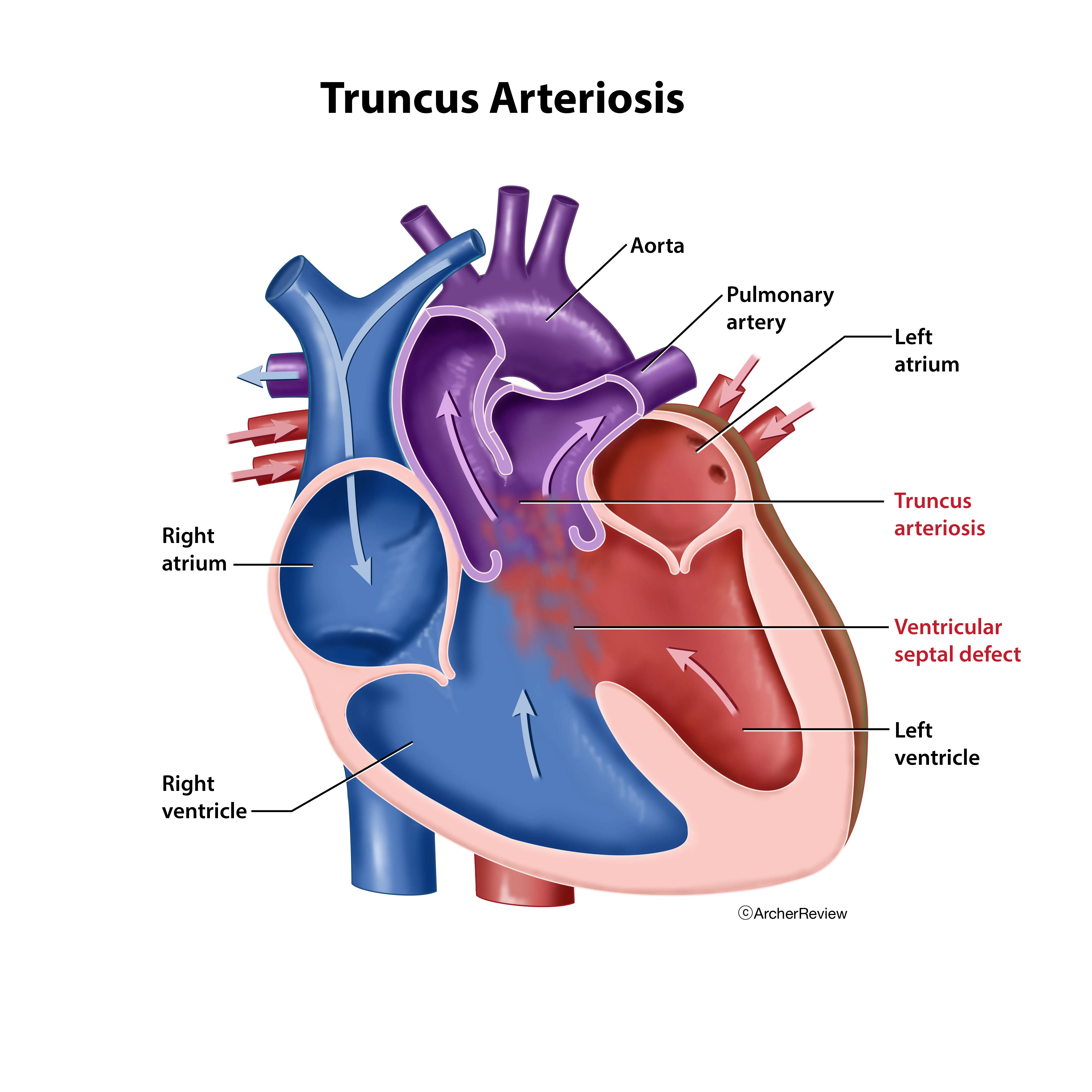
Choice B is correct. Tricuspid atresia is a congenital heart defect in which the tricuspid valve is absent, obstructing blood flow from the right atrium to the right ventricle. This leads to reduced pulmonary blood flow and mixing of oxygenated and deoxygenated blood, causing central cyanosis—a hallmark clinical finding in affected newborns.
Choice A is incorrect. While vomiting may occur in many conditions, it is not a cardinal feature of tricuspid atresia. It would not be expected in the initial presentation unless associated with feeding difficulties or increased work of breathing.
Choice C is incorrect. Bradycardia is not a typical early sign of tricuspid atresia. If present, it could indicate severe hypoxia or impending cardiac arrest, but it is not a diagnostic hallmark of this condition.
Choice D is incorrect. Infants with tricuspid atresia more commonly exhibit tachypnea due to hypoxia and pulmonary undercirculation, not bradypnea.
Related Videos
2 Key Topics
Tricuspid Atresia (TA)