The nurse is caring for a client who is receiving prescribed risperidone. Which of the following findings would indicate a therapeutic response? The client demonstrates
The nurse is caring for a client who is receiving prescribed risperidone. Which of the following findings would indicate a therapeutic response? The client demonstrates
A. a reduction in weight.
[2%]
B. increased mood lability.
[35%]
C. an appropriate gait pattern.
[6%]
D. decreased thoughts of persecution.
[56%]
Statistics
Subject/Lesson
Subject
Pharmacology
Lesson
Psychiatric Medications
Client Need
Test Plan
Pharmacological and Parenteral Therapies
Related Topic
Expected Actions/Outcomes
Item Type
Item Type
Knowledge/Comprehension
Explanation
Choice D is correct. Risperidone is an atypical (second generation) antipsychotic indicated in psychotic disorders such as schizophrenia. If the client reported decreasing thoughts of persecution (and was observed to have fewer thoughts of persecution), this would be a therapeutic effect.
Choices A, B, and C are incorrect. Risperidone increases prolactin levels and weight. Atypical antipsychotics, unfortunately, carry this consequential effect that may induce metabolic syndrome. Risperidone would assist in providing mood stability - not increased lability. Adversely, risperidone may cause extrapyramidal side effects causing gait disturbances.
Related Videos
2 Key Topics
Antipsychotics (Haloperidol)
32.1 Psychopharmacology (Medications & Treatments)
Additional Info
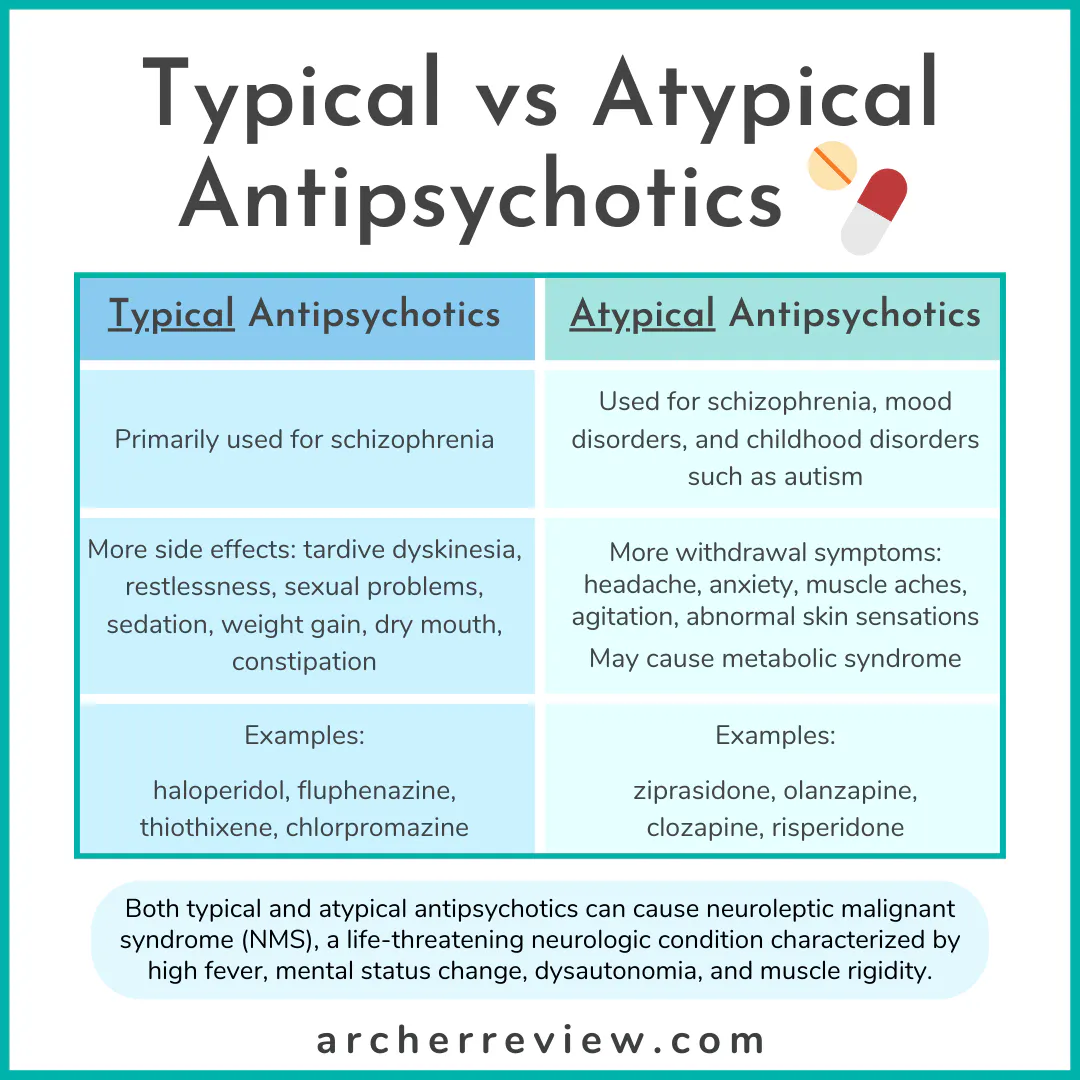 ✓ Second-generation antipsychotics (risperidone, olanzapine, quetiapine, clozapine, lurasidone, ziprasidone, aripiprazole, brexpiprazole) are preferred because of the decreased risk of movement disorders.
✓ The concern with SGAs is that they may adversely impact the client metabolically by raising glucose and weight (especially clozapine and olanzapine).
✓ For a client receiving any generation antipsychotic, the nurse must always monitor for neuroleptic malignant syndrome (NMS) manifested by fever, muscle rigidity, delirium, and tachycardia.
