The nurse in the psychiatric unit has completed the assessment of a client.
Item 1 of 1
- Nurses' Notes
0900: Telephone prescription received for olanzapine 5 mg PO daily. The order was read back and verified with the prescriber.
1535: The client is alert and oriented to person, place, and situation. The client described their mood as "feeling down, but anxious." The client had good eye contact and concentration. The client was cooperative but appeared restless. The restlessness was worse at rest and was relieved by moving their legs while sitting or walking. The client stated, "I feel like I can't sit still, but I'm hungry right now, so I want to eat." Lung sounds are clear bilaterally. Peripheral pulses, 2+. Skin is warm and dry. Vital signs: T 97.5° F (36.4° C), P 84, RR 18, BP 128/77, pulse oximetry reading 97% on room air.
- Orders
- glipizide 5 mg PO daily 30 minutes prior to breakfast
- olanzapine 5 mg PO daily
- olmesartan 20 mg PO daily
- pravastatin 40 mg PO daily
- Medical History
- bipolar I disorder
- hypertension
- diabetes mellitus (type two)
Complete the following sentences by choosing from the list of options.
Complete the following sentences by choosing from the list of options.
The nurse is concerned that the client has developed

caused by the prescribed

Statistics
Subject/Lesson
Subject
Pharmacology
Lesson
Psychiatric Medications
Client Need
Test Plan
Pharmacological and Parenteral Therapies
Related Topic
Adverse Effects/Contraindications/Side Effects/Interactions
Item Type
Item Type
PrioritizeHypothesis
Explanation
- The client's restlessness and reports of the inability to sit still are consistent with akathisia.
- Akathisia is an extrapyramidal side effect characterized by excessive motor activity (pacing, wringing of the hands, inability to stand still).
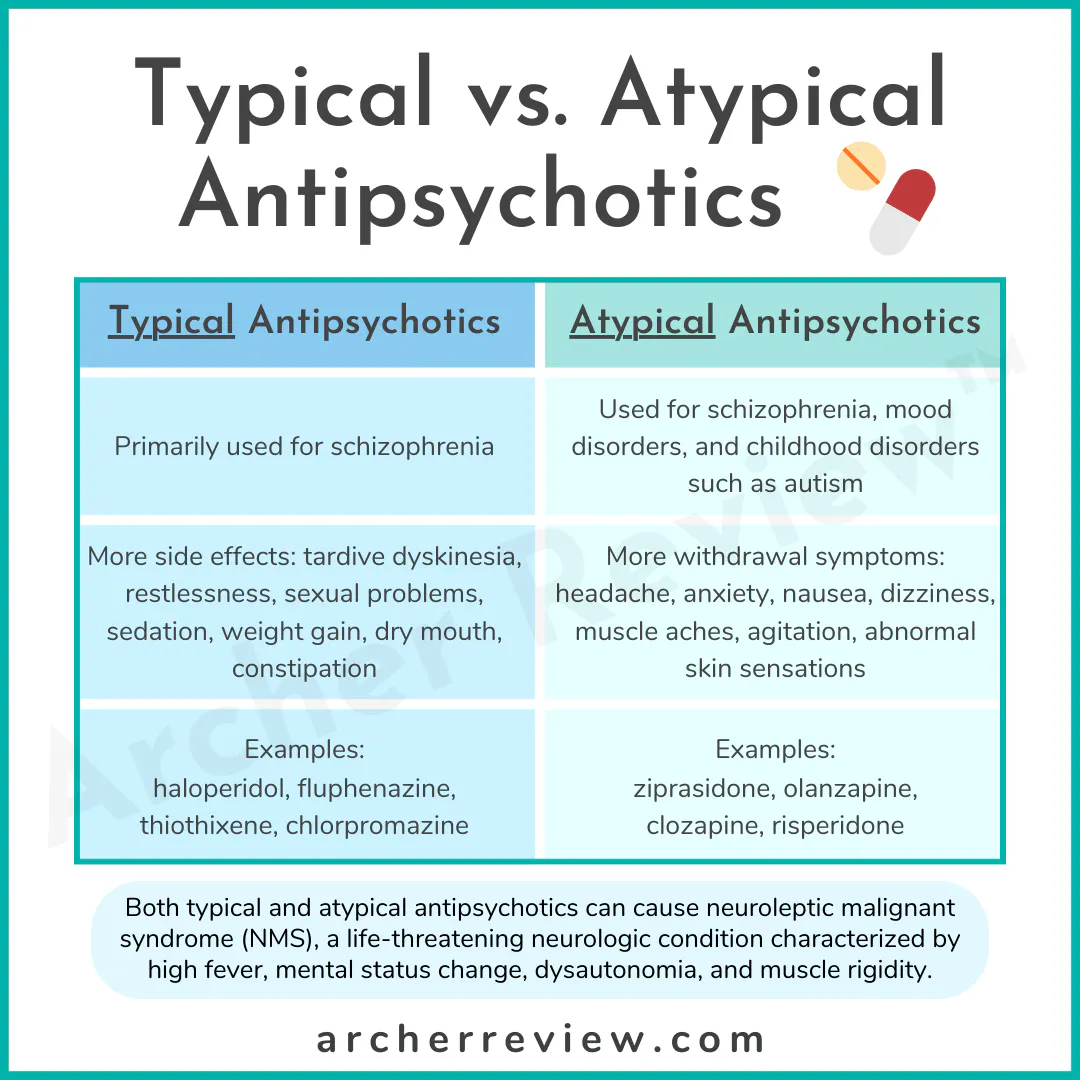
- Most antipsychotic medications have the propensity to cause this effect. This develops within the first two weeks of the client taking the offending drug - in this case, the prescribed olanzapine (atypical/second-generation antipsychotic).
- The client having hypoglycemia related to the glipizide is not likely, considering the client is not lethargic and not experiencing tachycardia. Additionally, the client's skin assessment was not cool and clammy, consistent with hypoglycemia.
- Orthostatic hypotension related to the prescribed olmesartan is unlikely because orthostatic hypotension causes the client to experience dizziness upon the client changing positions.
- Tardive dyskinesia is unlikely because the olanzapine is newly prescribed. TD takes months to years to develop, and the client is not exhibiting manifestations such as protruding or writhing tongue, blowing, smacking, licking, facial distortion, or chorea of the limbs.
- The pravastatin is not linked to any of the client's clinical manifestations.
Related Videos
2 Key Topics
Antipsychotics (Haloperidol)
32.1 Psychopharmacology (Medications & Treatments)
Additional Info
✓ Akathisia is a motor restlessness that causes pacing and/or an inability to stay still or remain in one place.
✓ Antipsychotic medications such as aripiprazole, cariprazine, brexpiprazole, and asenapine may cause this EPS that starts within 2 weeks of starting this medication.
✓ Low iron, hyperthyroidism, opiate, and alcohol withdrawal may also mimic akathisia.
✓ Other dopaminergic medications, such as metoclopramide, may also cause akathisia.