The nurse has provided discharge instructions to a client who was prescribed niacin. Which of the following statements, if made by the client, would indicate effective teaching?
The nurse has provided discharge instructions to a client who was prescribed niacin. Which of the following statements, if made by the client, would indicate effective teaching?
A. "This medication may increase my blood pressure."
[12%]
B. "I may experience flushing while taking this medication."
[54%]
C. "This medication may raise my total cholesterol."
[9%]
D. "I may feel fatigued and tired after taking this medication."
[25%]
Statistics
Subject/Lesson
Subject
Pharmacology
Lesson
Cardiovascular
Client Need
Test Plan
Pharmacological and Parenteral Therapies
Related Topic
Adverse Effects/Contraindications/Side Effects/Interactions
Item Type
Item Type
Analysis
Explanation
Choice B is correct. Facial flushing is often a side effect of niacin, mainly when prescribed in high doses. The physician may instruct the client to take an aspirin to offset the flushing sensation.
Choices A, C, and D are incorrect. Niacin does not raise blood pressure as its vasodilation effect is more likely to induce hypotension. This medication is purported to decrease total cholesterol, specifically LDL-C. Clients taking niacin often feel agitated because of the nervousness it induces, which may cause insomnia.
Related Videos
2 Key Topics
Lipid Panel
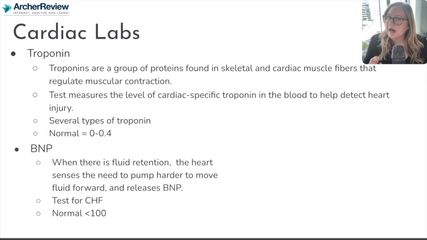
2.3 Cardiac & Endocrine Markers
Additional Info
Niacin is not indicated for those with dyslipidemia. However, some clients may take it for its purported effects to lower LDL-C. Effects associated with this medication include flushing, gastrointestinal upset, nervousness, insomnia, and itching. Some clients may take aspirin to offset the flushing effect found with this medication.
https://app.archerreview.com/test-screen/MjQyNzUxNDE=/NDc0NQ==
