The nurse is teaching a client with chronic pain who is prescribed both extended- and immediate-release opioids for pain management.
Which dietary items should the nurse encourage the client to include in their diet?
The nurse is teaching a client with chronic pain who is prescribed both extended- and immediate-release opioids for pain management.
Which dietary items should the nurse encourage the client to include in their diet?
A. Aged cheeses, luncheon meats, and whole milk
[3%]
B. White bread, bananas, and mashed potatoes
[7%]
C. Chicken breast, hard-boiled eggs, and refined pasta
[35%]
D. Salad, fresh fruits, and wheat bread
[55%]
Statistics
Subject/Lesson
Subject
Nutrition
Lesson
Nutrition
Client Need
Test Plan
Basic Care and Comfort
Related Topic
Nutrition and Oral Hydration
Item Type
Item Type
Application
Explanation
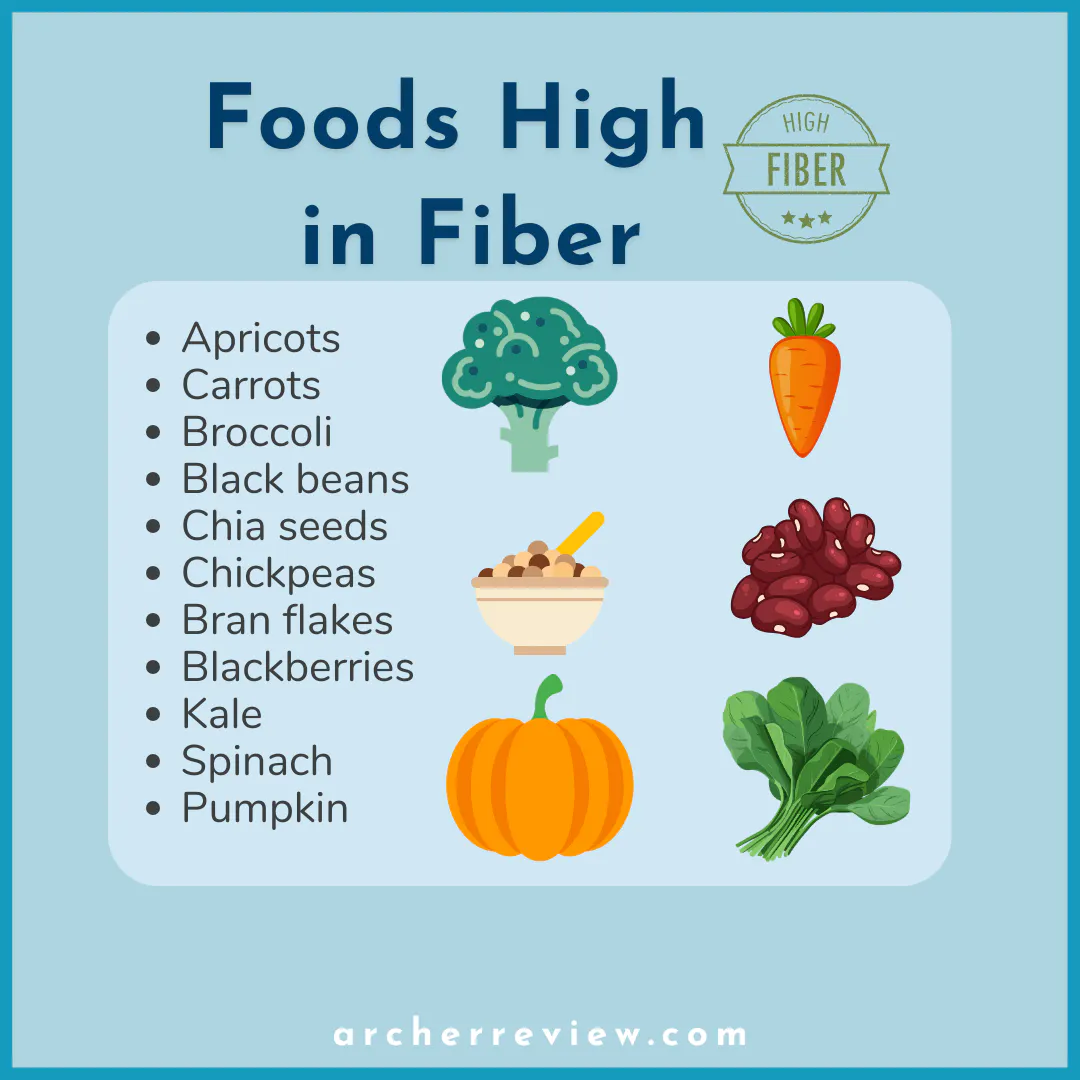
Choice D is correct. These foods are rich in dietary fiber, which helps prevent opioid-induced constipation, a common and often severe side effect of chronic opioid use. Increased fiber intake supports healthy bowel function when combined with adequate fluid intake.
Choice A is incorrect. These foods are low in fiber and high in fat, which can worsen constipation. Processed dairy and meats are not recommended for clients at risk of decreased gastrointestinal motility.
Choice B is incorrect. These are low-residue, binding foods that can contribute to slowed bowel transit. While bananas offer some nutrients, they are not sufficient to counteract opioid-related GI effects.
Choice C is incorrect. Though protein-rich, these items are low in fiber and do not aid in promoting bowel regularity. Excess protein without fiber may aggravate constipation.
Related Videos
4 Key Topics

Nutrition Assessment
9.4 Nutrition Support & Assessment
Nutrition Interventions
9.4 Nutrition Support & Assessment
Additional Info