The nurse is caring for a client in the emergency department (ED) experiencing delirium tremens. The nurse should take which initial action?
The nurse is caring for a client in the emergency department (ED) experiencing delirium tremens. The nurse should take which initial action?
A. assess the client's pain level
[3%]
B. implement seizure precautions
[67%]
C. obtain a prescription for chlordiazepoxide
[6%]
D. assess the client using the Glasgow Coma Scale (GCS)
[24%]
Statistics
Subject/Lesson
Subject
Mental Health
Lesson
Substance Abuse and other dependencies
Client Need
Test Plan
Reduction of Risk Potential
Related Topic
Potential for Alterations in Body Systems
Item Type
Item Type
Application
Explanation
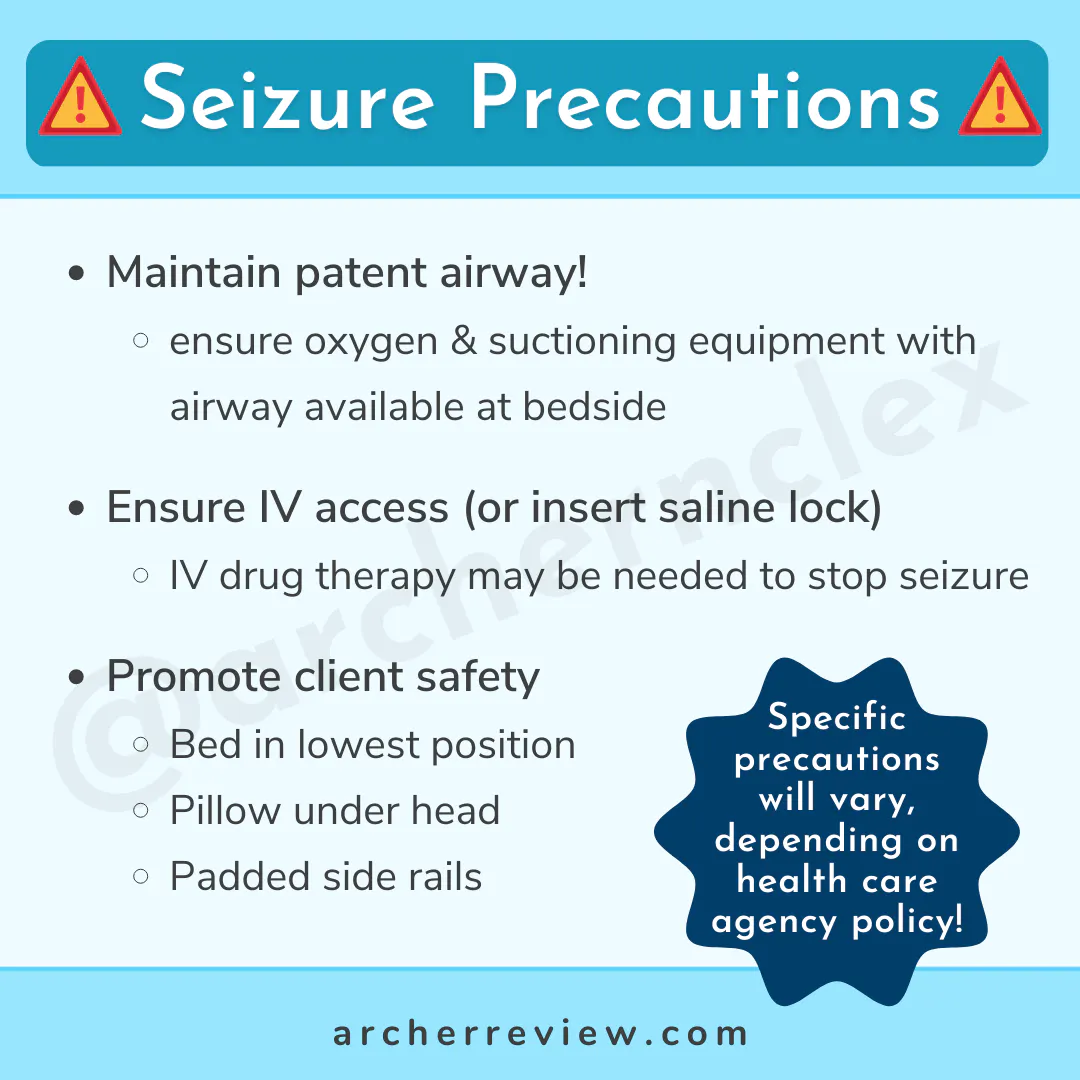
Choice B is correct. Delirium Tremens (DTs) is a medical emergency that may result in seizure activity. The nurse should always put the client's safety at the forefront and provide seizure precautions. This includes padding the side rails, ensuring that intravenous access has been established, oxygen is at the bedside, and suction is available.
Choice A is incorrect. While assessing a client's pain is an essential task, this is not a pertinent assessment for DTs. The nurse should ensure client safety by implementing seizure precautions.
Choice C is incorrect. Obtaining a prescription for chlordiazepoxide (benzodiazepine) is a reasonable task but does not prioritize assuring client safety. Benzodiazepines are the hallmark in preventing seizure activity in DTs and increasing the client's comfort during DTs (they experience tachycardia, hypertension, flushing, and diaphoresis).
Choice D is incorrect. A GCS is not a relevant assessment for DTs, as The Clinical Institute, Withdrawal Assessment Alcohol Scale-Revised (CIWA-Ar) is utilized to determine the severity of the withdrawal.
Related Videos
2 Key Topics
Seizure Precautions
8.4 Specialized Safety Measures
Additional Info
✓ Delirium Tremens (DTs) are a medical emergency and may cause autonomic hyperactivity, resulting in tachycardia, diaphoresis, fever, anxiety, insomnia, and hypertension.
✓ Delusions and visual and tactile hallucinations are common in alcohol withdrawal delirium.
✓ This may occur within 72 hours following the last alcoholic beverage consumed.
✓ Withdrawal seizures may occur within 12 to 24 hours after alcohol cessation.
✓ These seizures are generalized and tonic-clonic. Additional seizures may occur within hours of the first seizure.
✓ Diazepam is given intravenously as a common treatment for withdrawal seizures.
Nursing care for DTs includes -
- Rapid assessment of the client's vital signs
- Initiate seizure precautions and establish patent intravenous access
- Obtain a prescription for benzodiazepines, such as lorazepam or diazepam
- Administer intravenous fluids and electrolytes to replete the lost fluids
- Assess the client using the CiWa-Ar scale to trend the severity of the symptoms
