The nurse is triaging a child with bilateral lower extremity chemical burns. The nurse suspects that the child may have been abused. The nurse should take which initial action?
The nurse is triaging a child with bilateral lower extremity chemical burns. The nurse suspects that the child may have been abused. The nurse should take which initial action?
A. Cover the affected area with sterile dressing
[15%]
B. Irrigate the affected area with saline
[45%]
C. Report the suspected abuse
[36%]
D. Document the findings
[4%]
Statistics
Subject/Lesson
Subject
Mental Health
Lesson
Abuse/Neglect
Client Need
Test Plan
Psychosocial Integrity
Related Topic
Abuse/Neglect
Item Type
Item Type
Analysis
Explanation
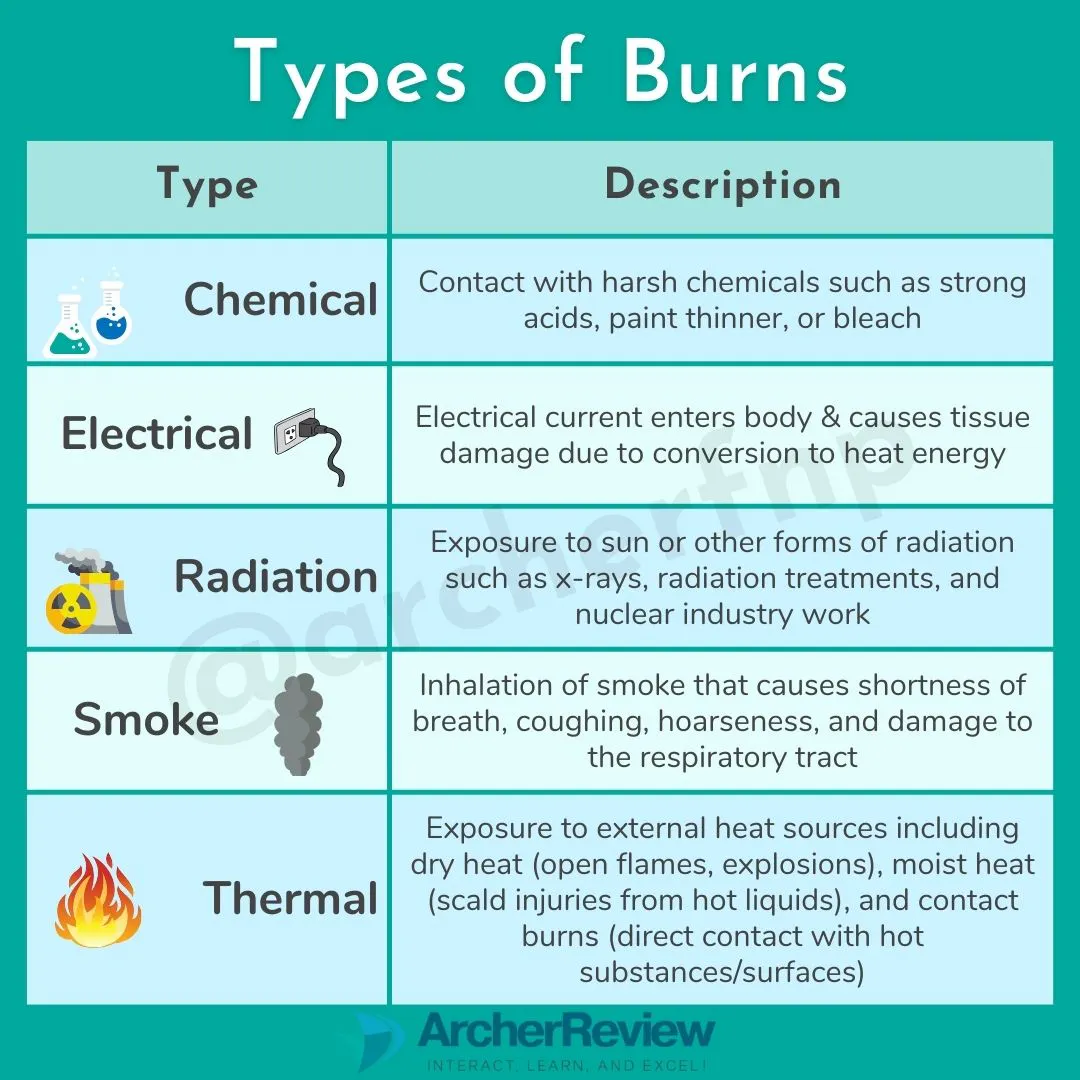
Choice B is correct. Stabilizing the client is the initial priority in emergency situations. Irrigating the affected area with saline is a crucial step in addressing chemical burns promptly and preventing further damage to the integument. A common mnemonic to remember is "the solution to pollution is dilution." When a client has a chemical burn, the highest priority is to copiously irrigate it (dilute it) with saline or water. Prompt irrigation of the area exposed to caustic substances ( acid, alkali) dilutes the chemical, attempts to neutralize the pH change in the skin, and decreases the extent of the dermal injury. Additionally, dilution lessens the risk of the caregiver getting burned by the chemical.
Choice A is incorrect. While covering the affected area with a sterile dressing is a protective measure to minimize exposure, prevent infection, and provide a barrier against external contaminants for the client's integument, it is not the highest priority.
Choice C is incorrect. In emergencies, stabilizing the client takes precedence. Irrigation to decrease further damage to the client's integument is the highest priority with any chemical burn. Reporting suspected abuse is a critical step and should be initiated after stabilization.
Choice D is incorrect. Documentation is essential, but in emergencies, stabilizing the client and addressing immediate health threats are the initial priorities. Documenting the findings, including suspicions of abuse, is important and should follow the immediate stabilization of the client.
Learning Objective
Prioritize immediate irrigation to lessen the risk of further damage to the client with a chemical injury.
Related Videos
4 Key Topics
Burns
31.15 Dermatologic Conditions & Burns
Abuse
13.1 Psychosocial Stressors & Coping
Additional Info
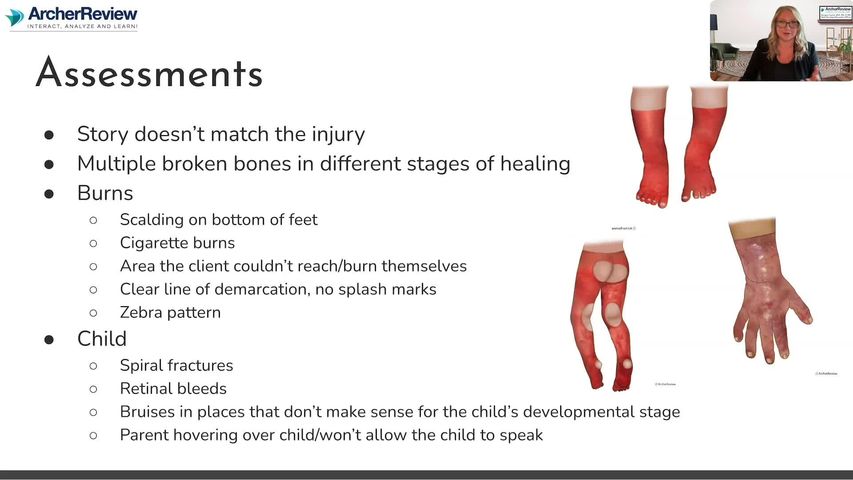
✓ According to national surveys, an estimated 1 in 7 children in the United States experienced abuse or neglect in the past year.
✓ Child abuse can manifest in various forms. In a national survey, it was found that approximately 75% of child abuse cases involve neglect, 18% involve physical abuse, and 8% involve sexual abuse. ✓ Individuals who experienced abuse or neglect during childhood are at a higher risk of developing mental health disorders, substance abuse issues, and engaging in risky behaviors.
✓ In the case of chemical injuries, decontamination is the focus of urgent treatment. Contaminated clothing is removed, and chemicals in powder form are brushed off. Then the burn is irrigated with copious amounts of water.
✓ After the child is stabilized the nurse should follow legal reporting procedures to ensure that protective measures are implemented promptly.