The nurse is assessing a client with a binge eating disorder. The nurse understands which other comorbidity is commonly found with this disorder?
The nurse is assessing a client with a binge eating disorder. The nurse understands which other comorbidity is commonly found with this disorder?
A. Disorganized behavior
[10%]
B. Depression
[66%]
C. Fear of abandonment
[6%]
D. Perfectionism
[18%]
Statistics
Subject/Lesson
Subject
Mental Health
Lesson
Mental Health
Client Need
Test Plan
Psychosocial Integrity
Related Topic
Mental Health Concepts
Item Type
Item Type
Application
Explanation
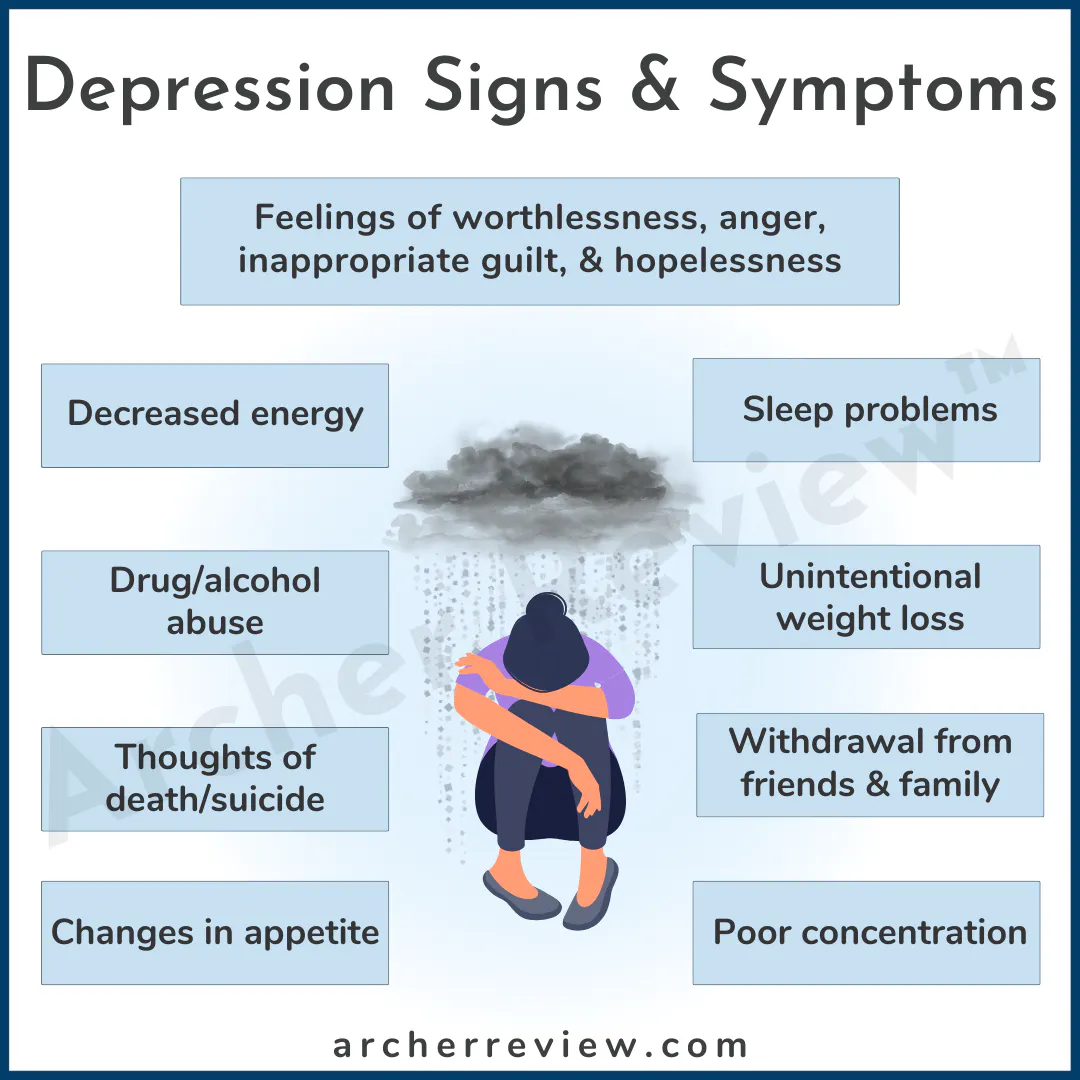
Choice B is correct. Individuals who binge eat are more likely to have depression (and/or anxiety) than those who do not. Therefore, following this client admitting to binge eating, the nurse should screen this client for depression and suicidal ideation. Depression associated with the binge-eating disorder could be linked to their body image; however, other causes may be evident.
Choice A is incorrect. Disorganized behavior, specifically disorganized speech or thoughts, are symptoms associated with schizophrenia spectrum disorders, not binge eating. Binge eating disorder is more closely associated with patterns of overeating and loss of control during eating episodes rather than disorganized behavior.
Choice C is incorrect. Fear of abandonment is not typically identified as a common comorbidity with binge eating disorder. This fear is more commonly associated with certain personality disorders, such as borderline personality disorder, rather than binge eating disorder.
Choice D is incorrect. Perfectionism is a symptom typically associated with an obsessive-compulsive personality disorder or anorexia nervosa. Depression is more consistently recognized as a prevalent comorbidity in individuals with binge eating disorder.
Learning Objective
When caring for a client who admits to binge eating, recognize the need to assess the client for depression.
Related Videos
2 Key Topics
Depression
32.2 Psychological Concepts & Safety
Additional Info
✓ Binge eating is characterized by consuming enormous amounts of food over a relatively short duration (i.e., two hours) with a feeling of losing control during and after the binge.
✓ A binging episode is not followed by an attempt to compensate for the excess food eaten (i.e., the client does not attempt to rid the body of the excessive caloric intake via purging).
✓ This condition differs from anorexia nervosa and bulimia because the individual does not purge. The individual also may have a normal BMI. However, it often increases because of the significant intake of calories.