The nurse is performing an assessment on a client. The client tells the nurse, "You people are part of the government plotting to destroy me." The nurse should respond with which appropriate statement?
The nurse is performing an assessment on a client. The client tells the nurse, "You people are part of the government plotting to destroy me." The nurse should respond with which appropriate statement?
A. "Would you like me to come back later for your assessment?"
[3%]
B. "I believe you and think we should explore why you feel this way."
[11%]
C. “Tell me more about someone trying to destroy you.”
[72%]
D. "Let us talk about your current medication and how it can help with those thoughts."
[14%]
Statistics
Subject/Lesson
Subject
Mental Health
Lesson
Mental Health
Client Need
Test Plan
Psychosocial Integrity
Related Topic
Sensory/Perceptual Alterations
Item Type
Item Type
Application
Explanation
Choice C is correct. Exploring the content of the client's delusion is important because this assessment will determine if the delusion has any logic (unlikely) and will help foster a therapeutic relationship with the client. Helping the client realize that the delusion is just that; a delusion can be a challenge. This challenge is often mitigated when a therapeutic rapport is established.
Choice A is incorrect. Diverting the data collection shows avoidance and is a missed opportunity to intervene in a delusion that may cause a client to react with violence. Avoidance is never therapeutic.
Choice B is incorrect. Stating that you believe the client is not appropriate. While it is important to explore the client's thought content, validating that someone is after the client, etc., further reinforces the delusion. It's important to avoid reinforcing delusions. While expressing empathy is crucial, the focus should be on exploring rather than endorsing the delusion.
Choice D is incorrect. This option shifts the focus to medication without directly addressing or exploring the content of the delusion. While medication may be part of the treatment plan, it's important to first understand the nature and specifics of the client's concerns through exploration.
Related Videos
4 Key Topics
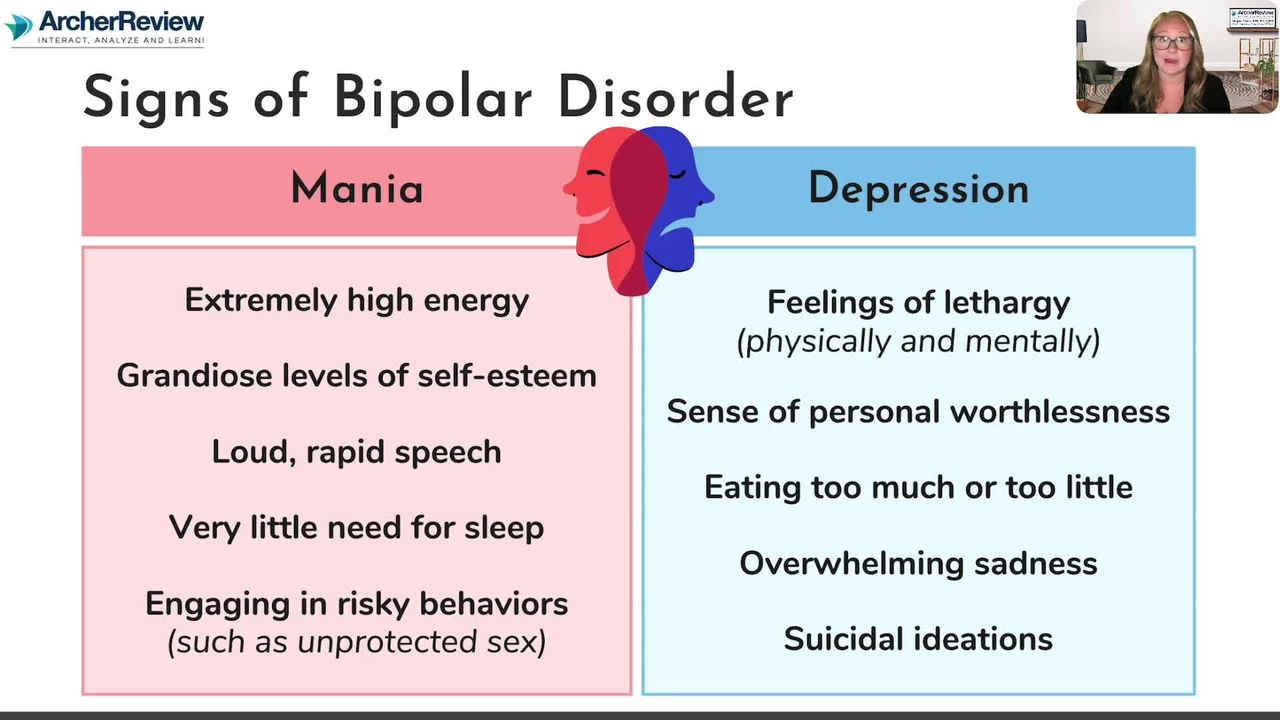
Schizophrenia
32.3 Major Psychiatric Disorders
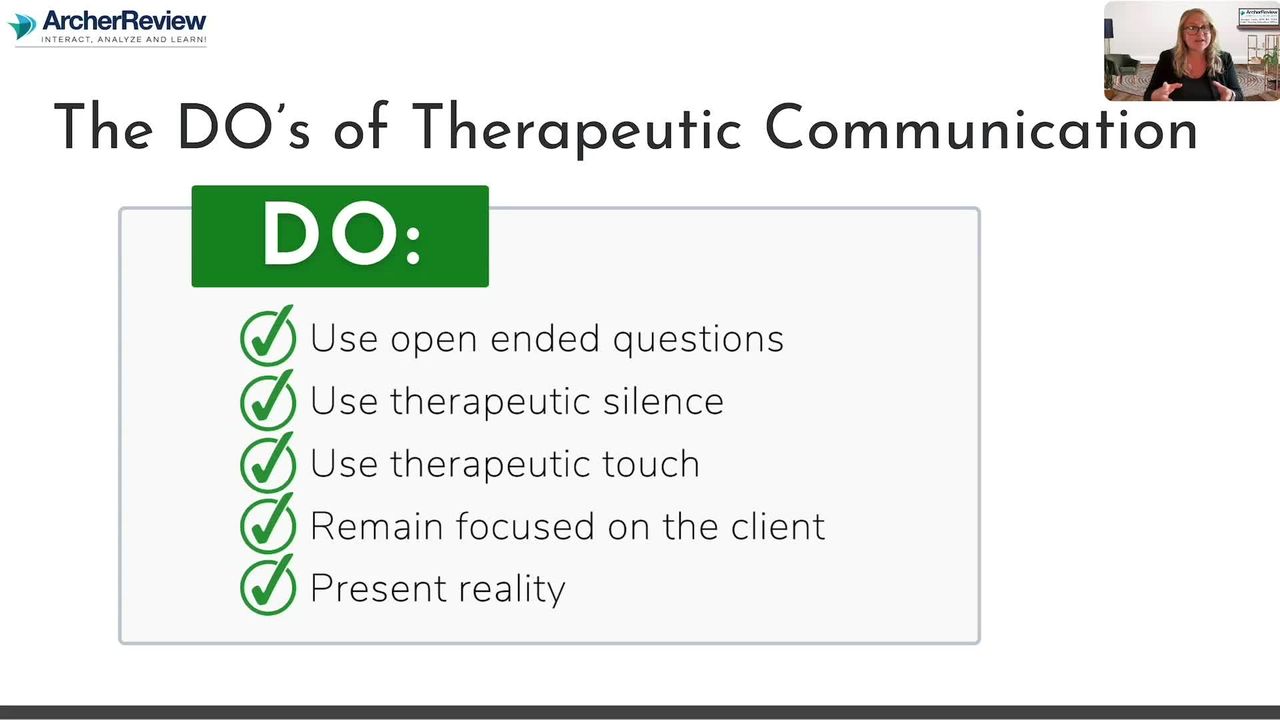
Therapeutic communication
13.3 Therapeutic Communication & Environment
Additional Info
✓ Key interventions for a client experiencing a delusion include -
- Build trust by being open, honest, genuine, and reliable.
- Respond to suspicion in a matter-of-fact, empathic, supportive, and calm manner.
- Ask the client to describe their beliefs.
- Do not use avoidance. Inquire about the delusion and its content.
- Never debate the delusional content.
- Validate if part of the delusion is real. Example - “Yes, there was a package at the nurses' station, but it did not contain a recording device."
✓ Adherence to treatment, including medication, is a common challenge in individuals with psychotic disorders. Studies suggest that approximately 40-60% of individuals with schizophrenia may not adhere to prescribed medications.
✓ Be prepared to intervene in crises, especially if there are safety concerns. Implement crisis management strategies to ensure the safety of the client and others.
