The nurse is caring for a 12-year-old client experiencing chronic asthma exacerbations who has chosen to explore guided imagery for managing anxiety associated with frequent asthma attacks. What response from the client demonstrates comprehension of this stress-reduction technique?
The nurse is caring for a 12-year-old client experiencing chronic asthma exacerbations who has chosen to explore guided imagery for managing anxiety associated with frequent asthma attacks. What response from the client demonstrates comprehension of this stress-reduction technique?
A. “I can do this anytime and anywhere when I feel anxious.”
[84%]
B. “I must be lying down to practice guided imagery.”
[4%]
C. “My mom will have to be with me any time I try this.”
[3%]
D. “I will play music every time I do my guided imagery to make sure it works.”
[9%]
Statistics
Subject/Lesson
Subject
Mental Health
Lesson
Mental Health
Client Need
Test Plan
Psychosocial Integrity
Related Topic
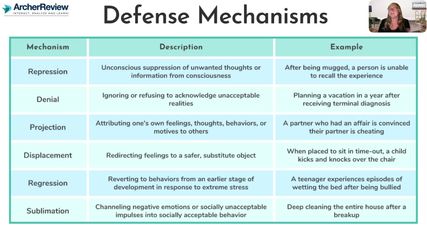
Coping Mechanisms
Item Type
Item Type
Application
Explanation
Choice A is correct. Guided imagery is a stress-reduction technique that can be done in any place at any time. In fact, this is one of the biggest advantages of this technique. Anytime the patient begins to feel anxious, they can practice guided imagery.
Choice B is incorrect. Guided imagery can be done in any position that the patient is most comfortable in. They do not have to by lying down unless they choose to.
Choice C is incorrect. It is not necessary for the client's mom or anyone else to be present for guided imagery unless they choose so. Any person, or no one at all, can be present depending on the client's preferences.
Choice D is incorrect. Music can but does not have to be played during guided imagery, again it depends on the client's preferences.
Related Videos
4 Key Topics
Anxiety
32.2 Psychological Concepts & Safety
Family Dynamics
13.4 Substance Use & Family Systems
Additional Info
✓ Guided imagery, also known as guided visualization or guided meditation, is a relaxation technique that involves the use of mental images to promote relaxation, reduce stress, and enhance overall well-being.
✓ Nurses can play a key role in educating clients about guided imagery. This includes explaining the purpose of the technique, discussing its potential benefits in stress reduction and symptom management, and addressing any misconceptions or concerns the client may have.
✓ The practice of guided imagery has been shown to have physiological effects on the body. When individuals engage in positive visualization, it can lead to changes in heart rate, blood pressure, and respiratory rate. These changes are indicative of the body's relaxation response, which counteracts the physiological effects of stress.
