The nurse is assisting a group of clients who witnessed a mass shooting.
To promote recovery and resilience, the nurse should encourage the clients to
The nurse is assisting a group of clients who witnessed a mass shooting.
To promote recovery and resilience, the nurse should encourage the clients to
A. set up follow-up appointments at the local behavioral health clinic for psychiatric screenings.
[15%]
B. establish a regularly scheduled support group with the other survivors.
[80%]
C. suppress memories of the event to minimize reliving the traumatic experience.
[3%]
D. spend time alone reflecting on the event and journaling.
[1%]
Statistics
Subject/Lesson
Subject
Mental Health
Lesson
Mental Health
Client Need
Test Plan
Psychosocial Integrity
Related Topic
Crisis Intervention
Item Type
Item Type
Application
Explanation
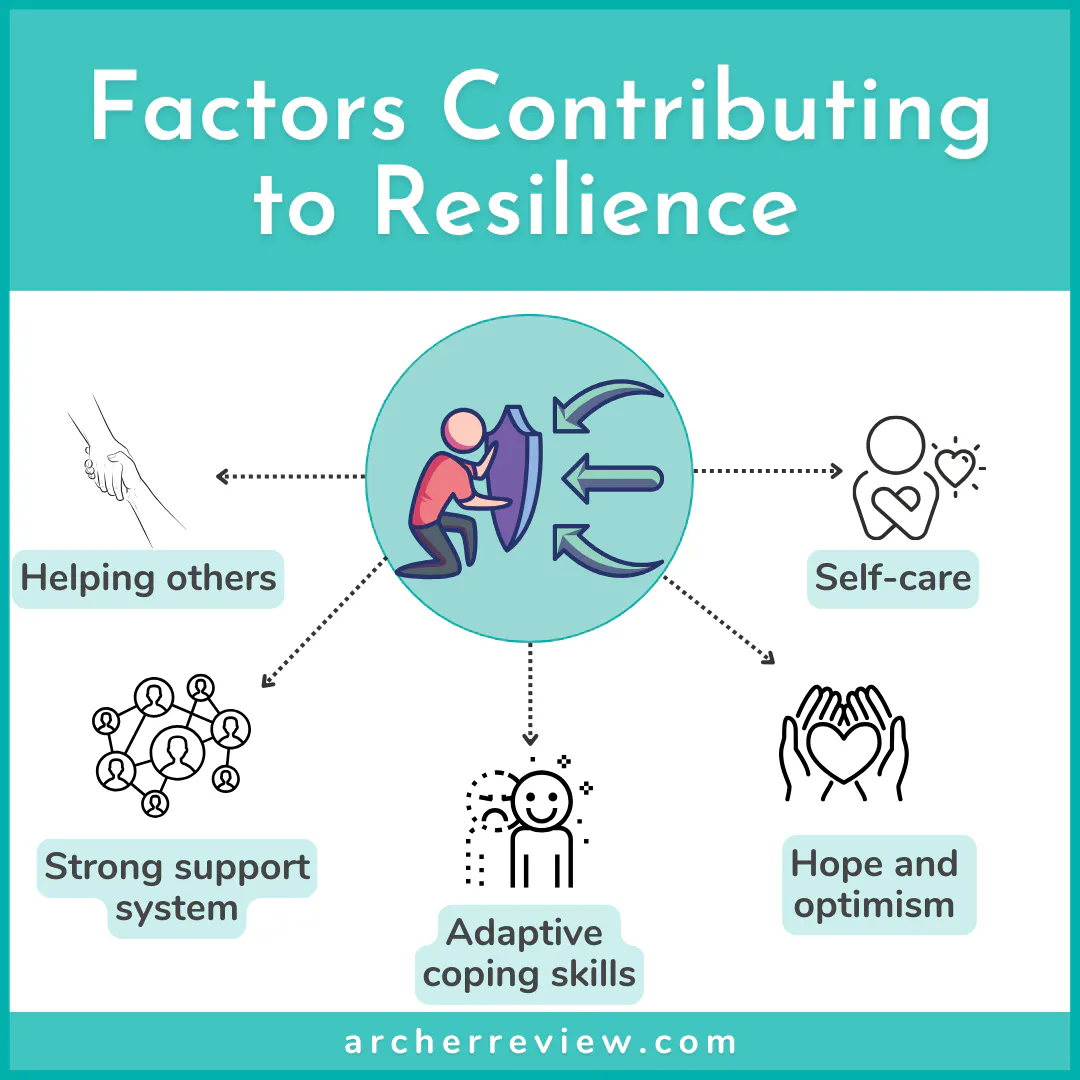
Choice B is correct. A key factor in resilience and recovery is encouraging socialization. Social connections provide emotional, informational, and practical support during difficult times. Feeling connected and supported can buffer the effects of stress and help individuals manage crises.
Choice A is incorrect. Psychiatric care is an essential component in recovery, but socialization is paramount in buffering stress and navigating through a crisis. Psychiatric care in this context would be more of a treatment and not a strategy to rebuild recovery and resilience, especially if the socialization is regularly scheduled versus a psychiatric screening.
Choice C is incorrect. Suppressing emotions (e.g., bottling up feelings of anger, sadness, or fear) may seem like a way to manage emotions in the short term, but it often leads to increased stress and emotional outbursts later on.
Choice D is incorrect. Journaling can be a therapeutic strategy as it allows individuals to express themselves. However, spending time alone is not advised. Supportive relationships through regular socialization provide encouragement, validation, and a sense of belonging, all of which help people navigate adversity more effectively.
Related Videos
2 Key Topics
Dos & Don'ts
13.10 Therapeutic Communication
Additional Info