The nurse is caring for a client who is experiencing psychosis. The client states, "You all are trying to kill me!"
Which of the following responses would be most appropriate for the nurse to make to the client?
The nurse is caring for a client who is experiencing psychosis. The client states, "You all are trying to kill me!"
Which of the following responses would be most appropriate for the nurse to make to the client?
A. “I see this is frightening you; let us go to another room.”
[30%]
B. “Have you had these thoughts before?”
[8%]
C. "You are safe here; please be calm.”
[15%]
D. “What makes you think we are trying to kill you?”
[48%]
Statistics
Subject/Lesson
Subject
Mental Health
Lesson
Mental Health
Client Need
Test Plan
Psychosocial Integrity
Related Topic
Sensory/Perceptual Alterations
Item Type
Item Type
Application
Explanation
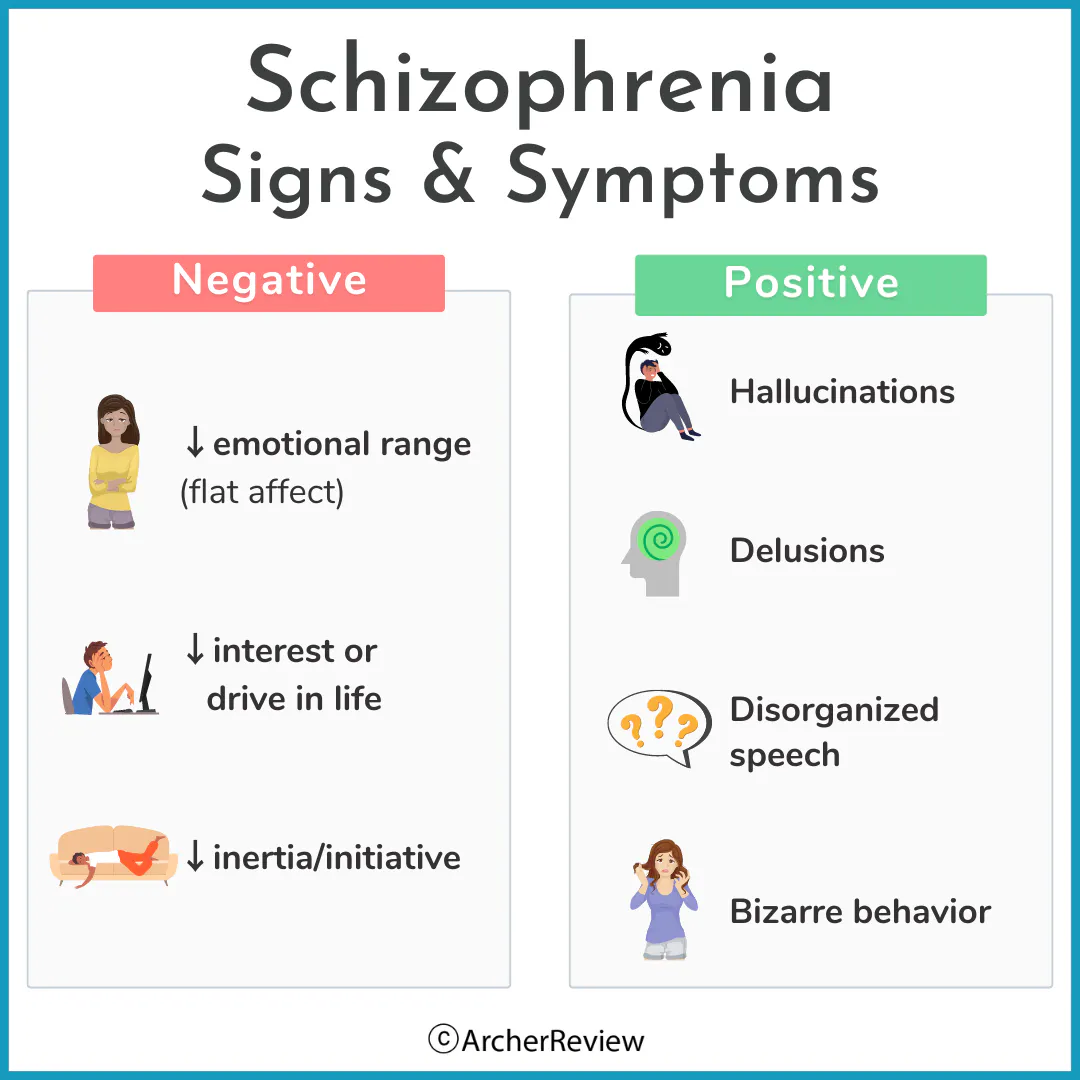
Choice D is correct. This client is experiencing a delusion of persecution. For the client experiencing delusions, the nurse should initially ask the client to describe their beliefs. This is therapeutic because it conveys an interest in the client's beliefs versus being dismissive. The nurse should not debate a delusion; instead, shift the client to reality-based topics such as "This sounds frightening and seems real to you, but this is part of your illness that we are treating."
Choice A is incorrect. The nurse is correct in conveying empathy. However, relocating the client and not addressing the delusion is not therapeutic. At times, the nurse may need to set limits if the client obsesses about the delusion. However, the client has not indicated any obsession.
Choice B is incorrect. Inquiring if the client has had these thoughts before is useful for the assessment, but not for responding therapeutically. The nurse should address the client's delusion directly and gently.
Choice C is incorrect. Reminding the client that they are safe and instructing them to be calm does not address the content of the delusion.
Related Videos
2 Key Topics
Schizophrenia
32.3 Major Psychiatric Disorders
Additional Info
✓ The client experiencing delusions should be dealt with directly and gently.
✓ The nurse should ask the client to describe their beliefs. “Tell me more about someone trying to hurt you.”
✓ Never debate the delusional content.
✓ Supportively convey doubt where appropriate. “Although it is frightening for you, it seems as if it would be hard for dozens of individuals searching to kill you.”
✓ Validate if part of the delusion is real. “Yes, there was a box on the nurses' station, but it did not contain a bomb.”
✓ Use reality-based interventions that help meet underlying needs.