The nurse in the mental health unit is preparing to establish a new group therapy session. Which client would be most appropriate for group therapy? A client
The nurse in the mental health unit is preparing to establish a new group therapy session. Which client would be most appropriate for group therapy? A client
A. in the acute phase of schizophrenia.
[6%]
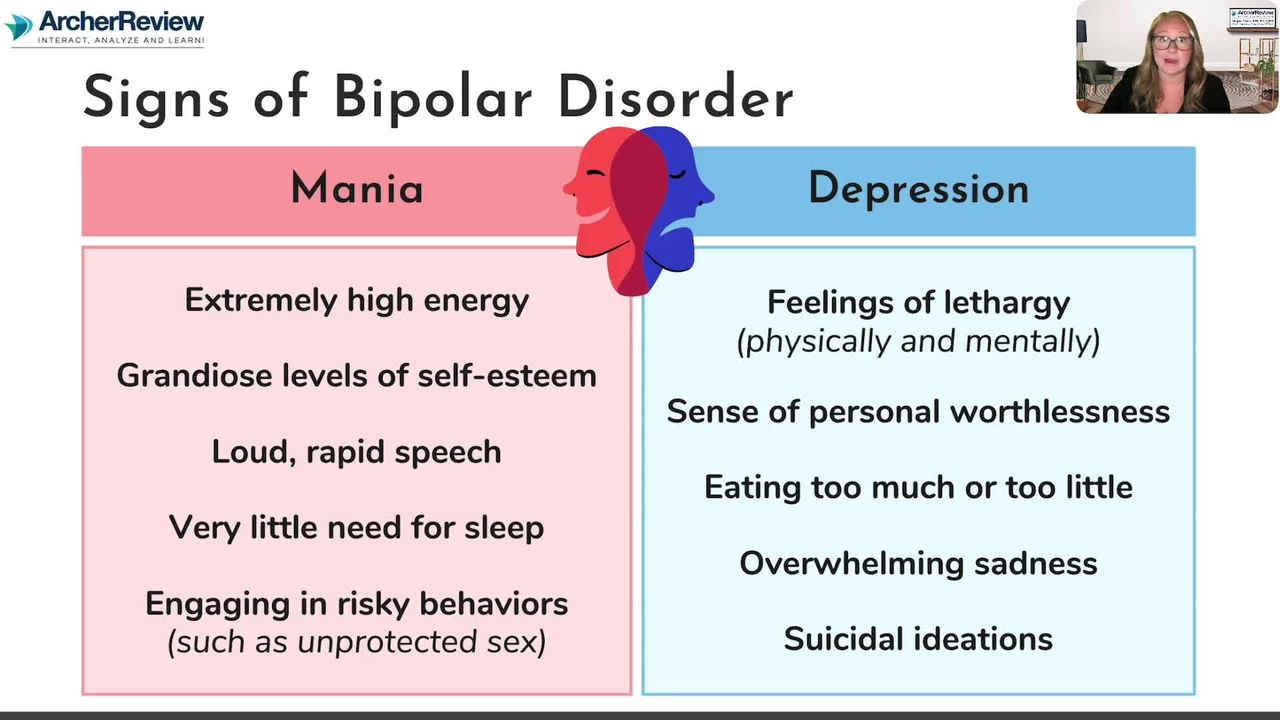
B. with bipolar I disorder experiencing a mixed episode of depression and mania.
[9%]
C. with post-traumatic stress disorder having difficulty sleeping because of night terrors.
[78%]
D. experiencing delirium tremens associated with alcohol withdrawal.
[8%]
Statistics
Subject/Lesson
Subject
Mental Health
Lesson
Mental Health
Client Need
Test Plan
Psychosocial Integrity
Related Topic
Behavioral Interventions
Item Type
Item Type
Analysis
Explanation
Choice C is correct. Post-traumatic stress disorder is most effectively treated with therapy. Therapy modalities such as cognitive-behavior therapy and therapy performed by individuals skilled in traumas are strongly recommended. Group therapy is also a modality that may be employed, especially if it contains others with PTSD. Significant advantages of group therapy are that it instills hope and provides comfort to others as they realize they are not alone.
Choice A is incorrect. Group therapy is solely focused on problem-solving and being productive. This client is not appropriate for group therapy, especially if they are currently experiencing severe symptoms that could interfere with their ability to engage effectively in group dynamics.
Choice B is incorrect. The client must be stabilized to participate. The client would not benefit from group therapy at this time because individuals in a mixed episode can have heightened emotional volatility, which might disrupt the group dynamics and potentially pose challenges for the safety and effectiveness of the session.
Choice D is incorrect. A client experiencing delirium tremens has a clouded sensorium and is unlikely to participate effectively in a group.
Related Videos
2 Key Topics
Post Traumatic Stress Disorder
32.3 Major Psychiatric Disorders
Additional Info
✓ Several key benefits of a therapeutic group include -
- Instillation of hope: members may share an optimistic message which may motivate others
- Altruism: members benefit from helping others in similar circumstances
- Imitative behavior: members may copy healthy coping habits and adopt them into their life
- Catharsis: group members experience a sense of relief expressing themselves
✓ Create a physically and emotionally safe environment for all participants. Encourage open and respectful communication while establishing ground rules for behavior and discussion.
✓ Clearly define the goals and objectives of the group therapy session. This helps guide the discussions and activities, ensuring that they are relevant and beneficial to the participants.
