The nurse just finished receiving the shift report from the night nurse. Which of the following newborns should the nurse assess first?
The nurse just finished receiving the shift report from the night nurse. Which of the following newborns should the nurse assess first?
A. A 3-hour old newborn weighing 6 pounds
[32%]
B. A 4-hour old newborn delivered at 42 weeks
[58%]
C. A 6-hour old newborn that is 21 inches long
[9%]
D. An 8-hour old newborn delivered at 40 weeks
[2%]
Statistics
Subject/Lesson
Subject
Maternal & Newborn Health
Lesson
Newborn
Client Need
Test Plan
Management of Care
Related Topic
Establishing Priorities
Item Type
Item Type
Analysis
Explanation
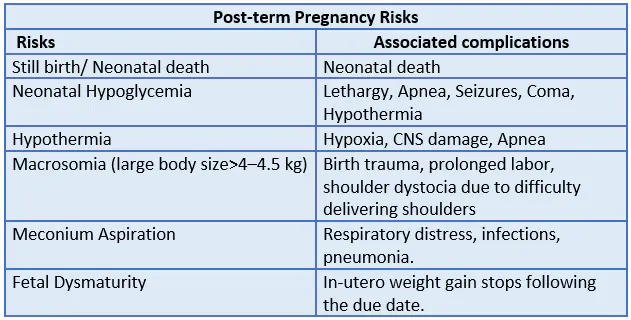
Choice B is correct. Post-maturity refers to any baby born at or beyond 42 weeks gestation (42 0/7 weeks) or at or beyond 294 days from the first day of the mother's last menstrual period (LMP). Post-maturity is also referred to as prolonged pregnancy, post-term, and post-dates pregnancy. At about 40-42 weeks, placental insufficiency ensues due to the aging placenta. Therefore, the infants rely on their subcutaneous fat reserves to sustain them after 40 to 42 weeks since the aging placenta is unable to provide the necessary nutrition. Due to these depleted subcutaneous fat reserves, the post-term infant is at risk for hypoglycemia and hypothermia. In at-risk infants, the incidence of neonatal hypoglycemia is highest in the first few hours after birth. In this case (Choice B), a 4-hour old infant delivered at 42 weeks is at-risk. Additionally, the risk of meconium aspiration is high in the post-term fetuses and can cause respiratory distress when the baby is born. The nurse should prioritize and assess this post-term infant first.
Choice A is incorrect. According to the World Health Organization (WHO), the average birth weight for a full-term baby is around 7.5 lb. However, a birth weight range between 5.5 lb. (2.5 kg) and 8.2 lb. (4.0 kg) is considered normal. Small for gestational age (SGA) is defined as a birth weight of less than 10th percentile for gestational age. Large for gestational age (LGA) refers to a birth weight equal to or more than the 90th percentile for a given gestational age. Macrosomia refers to a birth weight greater than 4000 to 4500 grams ( 4 to 4.5 kg), regardless of gestational age. The infant weighing 6 pounds (Choice A) is within the normal weight range for a newborn; the nurse does not need to see this infant first.
Choice C is incorrect. The average length of full-term babies at birth is 20 inches (50 cm). The normal range is between 18 to 22 inches. Macrosomia is defined based on the birth weight, not the birth length. Twenty-one inches is a bit longer than the average for most infants, but this is not a relevant finding that causes complications soon after birth. The nurse does not need to see this infant first.
Choice D is incorrect. The risk of neonatal hypoglycemia is highest in the first few hours after birth in some "at-risk" infants. These "at risk" infants include those who are post-term infants (at or beyond 42 weeks gestation), late preterm (34-36.6 weeks gestation), term infants who are small for gestational age, infants of diabetic mothers, and large for gestational age infants. An infant born at 40 weeks (Choice D) is referred to as a term infant, and there are no reported problems from the previous shift. No risk factors have been mentioned. The American Academy of Pediatrics (AAP) guidelines do not recommend routine screening and monitoring of blood glucose in healthy term infants after a normal pregnancy and delivery. The nurse does not need to assess this newborn first.