The nurse is conducting a prenatal class with a group of clients. Which vitamin should the nurse encourage to prevent neural tube defects in the newborn?
The nurse is conducting a prenatal class with a group of clients. Which vitamin should the nurse encourage to prevent neural tube defects in the newborn?
A. Folic acid
[91%]
B. Vitamin B12
[6%]
C. Vitamin E
[1%]
D. Iron
[2%]
Statistics
Subject/Lesson
Subject
Maternal & Newborn Health
Lesson
Antepartum
Client Need
Test Plan
Health Promotion and Maintenance
Related Topic
Ante/Intra/Postpartum and Newborn Care
Item Type
Item Type
Knowledge/Comprehension
Explanation
Choice A is correct. Folic acid (vitamin B9) is essential for developing neural tube development. Neural tube defects are one of the most common congenital disabilities, occurring in approximately one in 1,000 live births in the United States. A neural tube defect is an opening in the spinal cord or brain that occurs very early in human development. The first spinal cord of the embryo begins as a flat region, which rolls into a tube (the neural tube) 28 days after the baby is conceived. A neural tube defect develops when the neural tube does not close completely. Neural tube defects develop before most women know they are even pregnant. Neural tube defects are congenital disabilities of the brain, spine, or spinal cord. They happen in the first month of pregnancy, often before a woman knows she is pregnant. The two most common neural tube defects are spina bifida and anencephaly.
Choice B is incorrect. Vitamin B12 is essential in pregnancy because of its impact on cell division, increased formation of red blood cells, and protein synthesis. However, insufficient intake is linked to maternal anemia, not neural tube defects.
Choice C is incorrect. Vitamin E is a fat-soluble vitamin, and although deficiencies are rare if one should occur, it may cause maternal and newborn anemia. Vitamin E is not implicated in neural tube defects.
Choice D is incorrect. Iron is responsible for expanded maternal blood volume, formation of fetal red blood cells, and storage in the fetal liver for use after birth. Iron deficiency is not implicated in neural tube defects.
Related Videos
2 Key Topics
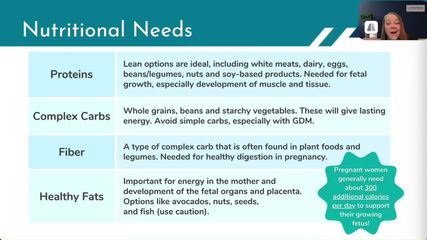
Nutritional in Pregnancy
28.2 Maternal Nutrition & Safety
Additional Info
✓ Foods rich in folic acid include: dark green leafy vegetables, legumes (beans, peanuts), orange juice, asparagus, spinach, and fortified cereal and pasta
✓ Deficiency in the first weeks of pregnancy may cause spontaneous abortion and neural tube defects.
