Item 1 of 1
- Nurses’ Notes
28-year-female presents with unilateral right lower quadrant (RLQ) pelvic pain and vaginal bleeding that she described as spotting that started two days ago and has increased in intensity. She reports that she took a home pregnancy test three weeks ago and it was positive. She reports her pain as a ‘8’ on a scale 0 to 10. She described her pain as stabbing and constant. Other symptoms she reports include frequent urination, breast tenderness, and nausea.
The client takes no medications. Has no medical or surgical history. She reports a medication allergy to penicillin.
- Vital Signs
Oral Temperature 98° F (36.7° C)
Pulse 86/minute; Regular
Respirations 16/minute
Blood pressure 113/68 mm Hg
O2 saturation 96% on room air
Which three (3) findings in the nurses’ notes require further investigation?
Which three (3) findings in the nurses’ notes require further investigation?
Statistics
Subject/Lesson
Subject
Maternal & Newborn Health
Lesson
Antepartum
Client Need
Test Plan
Physiological Adaptation
Related Topic
Medical Emergencies
Item Type
Item Type
RecognizeCues
Explanation
The concerning findings for this client are the fact that she has a positive home pregnancy test, unilateral pelvic pain, and vaginal bleeding. These three findings are the cardinal signs of a potential ectopic pregnancy. The client reported breast tenderness, frequent urination, and nausea are all expected manifestations associated with early pregnancy. The nurse needs to follow up on these findings because the timely intervention is necessary to prevent rupture.
Related Videos
4 Key Topics
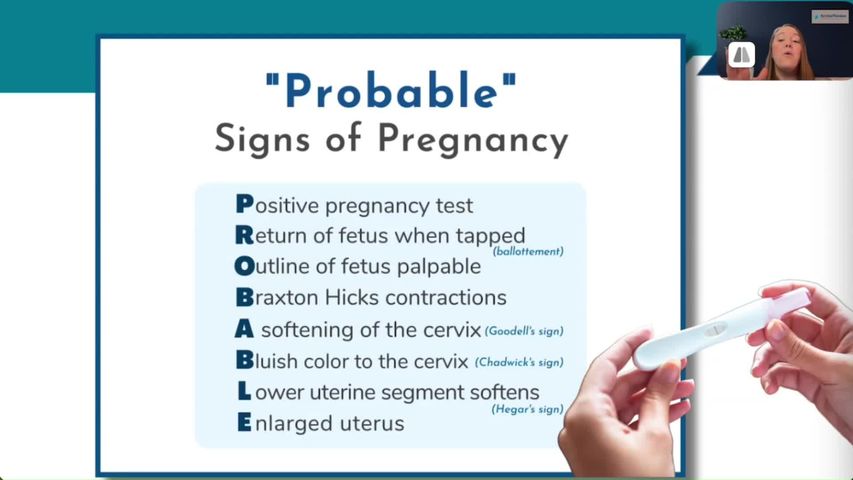
Signs of Pregnancy
28.1 Pregnancy Basics & Early Assessment
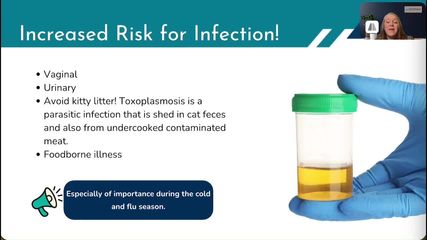
Ectopic Pregnancy
28.5 Infection & Complication Risks
Additional Info
An ectopic pregnancy (EP) is an extrauterine pregnancy. Almost all ectopic pregnancies occur in the fallopian tube, but other possible sites include cervical, interstitial, hysterotomy (cesarean) scar, ovarian, or abdominal. Manifestations of an EP include unilateral abdominal (pelvic) pain, vaginal bleeding, and a positive pregnancy test. Rapid management is needed because life-threatening intraabdominal bleeding may occur. For EP's that have not ruptured, and the woman is stable, methotrexate may be used. If that is not the case, surgical management will be necessary.
