The nurse in the emergency department (ED) is caring for a 10-year-old client.
Item 1 of 5
- Nurses' Notes
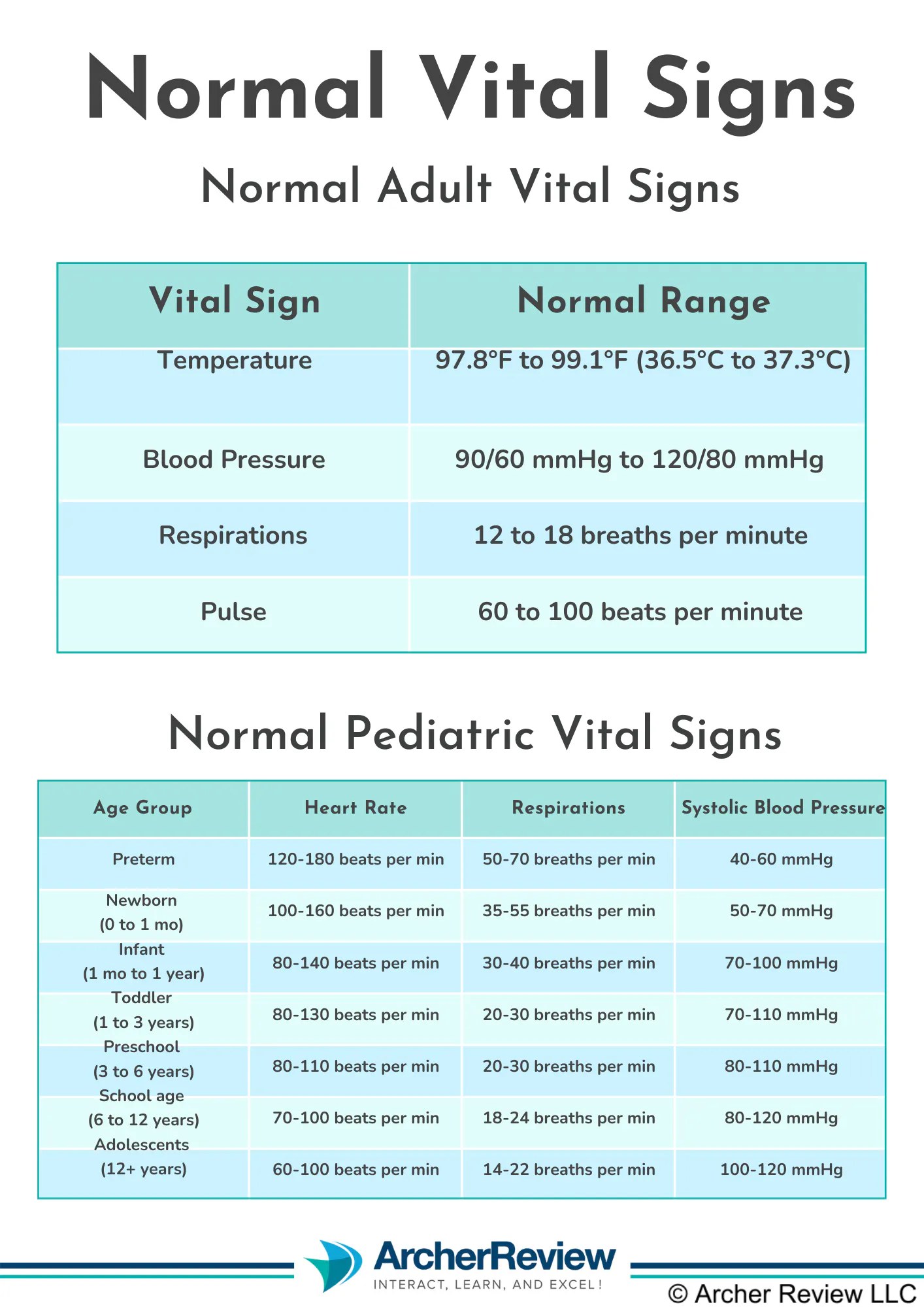
1322: 10-year-old client and his parents report an 8-day history of a brownish-raised lesion over the back of his left leg. The parents report that the size of the rash has increased. The parents report returning from a one-week camping trip three weeks ago. The parents deny efficacy with over-the-counter antihistamine creams. The client's parents deny that the child has had a fever but has felt 'warm' occasionally and endorsed an intermittent headache. They report an area of firmness in the child's groin. On assessment, there was an erythematous, raised, nonpainful, oval patch on the back of his left leg. This was an enlargement of an inguinal lymph node. The child is alert and fully oriented and denies any pain. Peripheral pulses palpable 2+. No cyanosis or edema in the extremities. Lung sounds clear bilaterally. The parents report that the child did not receive the seasonal influenza vaccine. He currently takes a multivitamin for iron deficiency anemia and was hospitalized one year ago for an appendectomy. The parents state that the child’s sibling had influenza one month ago. Vital signs: T 98.8°F (37.1°C); HR 78 beats/min; RR 16 breaths/min; BP 110/76 mm Hg. SpO2 97% on room air.
Which of the following would require immediate follow-up? Select all that apply.
Which of the following would require immediate follow-up? Select all that apply.
Statistics
Subject/Lesson
Subject
Child Health
Lesson
Infectious Disease
Client Need
Test Plan
Physiological Adaptation
Related Topic
Alterations in Body Systems
Item Type
Item Type
RecognizeCues
Explanation
Choice D is correct. The erythematous, raised, nonpainful, oval patch is a significant finding as it suggests a possible infectious or inflammatory process, such as Lyme disease, cellulitis, or a hypersensitivity reaction. The progression of the lesion over eight days is also clinically significant.
Choice E is correct. An enlarged inguinal lymph node suggests a localized immune response, possibly due to infection or inflammation. This finding supports the likelihood of a systemic or vector-borne illness (e.g., Lyme disease, cat scratch disease, or another bacterial infection).
Choice F is correct. The history of a camping trip three weeks ago raises suspicion for tick or insect-borne illnesses, such as Lyme disease, Rocky Mountain spotted fever or tularemia. This is a key epidemiological clue.
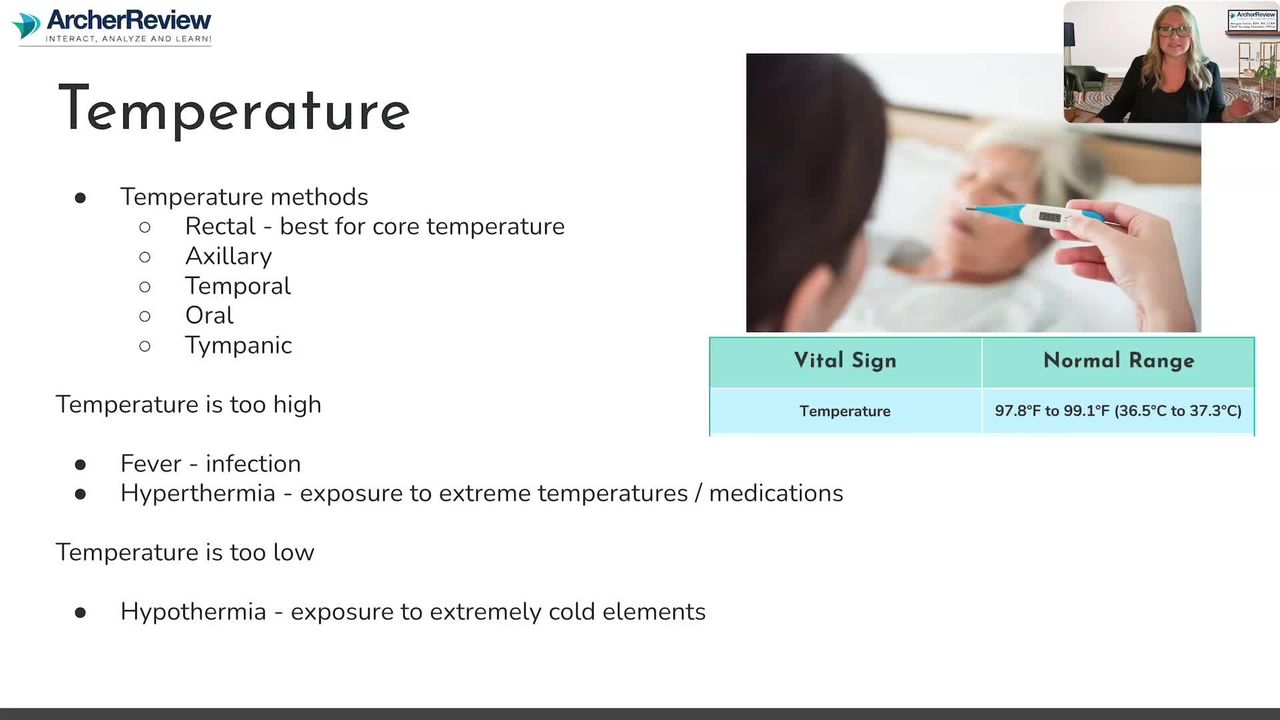
Choice A is incorrect. The client's temperature (98.8°F) and oxygen saturation (97% on room air) are within normal limits, which helps rule out systemic infection or respiratory compromise.
Choice B is incorrect. The client's vitals (HR 78, RR 16, BP 110/76) are all within normal limits for a 10-year-old, suggesting hemodynamic stability.
Choice C is incorrect. The child has a history of iron deficiency anemia, which could impact immune function and healing. A past appendectomy is relevant for overall health but not directly related to the current presentation. These findings do not require immediate follow-up because it does contribute to the acute concern.
Choice G is incorrect. The child did not receive the seasonal influenza vaccine, which is relevant given the recent history of a sibling with influenza. However, the client's current manifestations do not suggest influenza. Thus, the nurse should counsel the parents on the importance of vaccination. However, this finding does not warrant immediate follow-up.
Related Videos
2 Key Topics
Overview of Vital Signs
12.1 Clinical Assessment Overview
Additional Info