The nurse takes a call at the antepartum clinic from a client who is pregnant at 19 weeks gestation. The client reports feeling a flutter in her abdomen.
The nurse understands that this client is likely experiencing
The nurse takes a call at the antepartum clinic from a client who is pregnant at 19 weeks gestation. The client reports feeling a flutter in her abdomen.
The nurse understands that this client is likely experiencing
A. quickening.
[80%]
B. lightening.
[5%]
C. ballottement.
[11%]
D. ambivalence.
[3%]
Statistics
Subject/Lesson
Subject
Maternal & Newborn Health
Lesson
Antepartum
Client Need
Test Plan
Health Promotion and Maintenance
Related Topic
Ante/Intra/Postpartum and Newborn Care
Item Type
Item Type
Analysis
Explanation
Choice A is correct. The sensation of feeling a flutter in the abdomen is commonly associated with quickening during pregnancy. Quickening refers to the mother's first perception of fetal movements, often described as a fluttering or gentle rolling sensation. This typically occurs between 16 to 20 weeks of gestation and is a presumptive sign of fetal well-being.
Choice B is incorrect. Lightening is the descent of the fetus toward the pelvic inlet before labor, and it occurs about 2 to 3 weeks before the natural onset of labor. While it is a significant event in late pregnancy, it is not associated with the fluttering sensation described by the client.
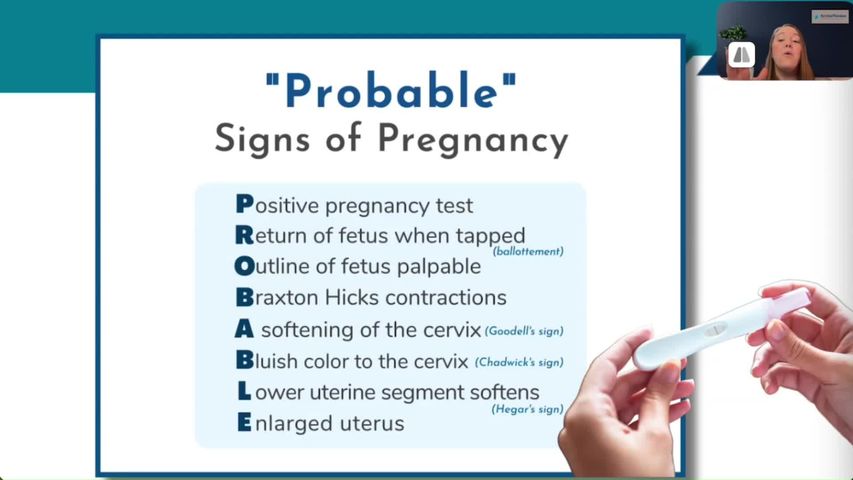
Choice C is incorrect. Ballottement is an examination technique where a sudden tap on the cervix during the vaginal examination may cause the fetus to rise in the amniotic fluid and then rebound to its original position.
Choice D is incorrect. Ambivalence is a naturally occurring feeling by expected mothers during the first trimester when they feel conflicted about the pregnancy.
Related Videos
4 Key Topics
Signs of Pregnancy
28.1 Pregnancy Basics & Early Assessment
2nd Trimester
28.1 Pregnancy Basics & Early Assessment
Additional Info
✓ Quickening typically occurs between 16-20 weeks of gestation. However, the timing can vary among individuals and pregnancies. Women who have been pregnant before may feel quickening earlier than first-time mothers.
✓ Quickening can have a profound psychological impact on pregnant individuals, fostering a sense of connection and bonding with the developing baby. It is often an emotional and exciting experience for expectant parents.
