The nurse is collecting the health history of a pregnant client.
Which of the following conditions would not put this client at an increased risk of developing preeclampsia?
The nurse is collecting the health history of a pregnant client.
Which of the following conditions would not put this client at an increased risk of developing preeclampsia?
A. Obesity
[3%]
B. Chronic hypertension
[13%]
C. Frequent urinary tract infections
[69%]
D. Multifetal gestation
[14%]
Statistics
Subject/Lesson
Subject
Maternal & Newborn Health
Lesson
Antepartum
Client Need
Test Plan
Health Promotion and Maintenance
Related Topic
Ante/Intra/Postpartum and Newborn Care
Item Type
Item Type
Knowledge/Comprehension
Explanation
Choice C is correct. While frequent urinary tract infections can cause complications during pregnancy, they are not directly linked to an increased risk of preeclampsia. However, untreated UTIs can lead to complications such as pyelonephritis, which may contribute to preterm labor but not specifically to preeclampsia.
Choice A is incorrect. Increased body weight is associated with higher risks of hypertension and inflammation, both of which contribute to preeclampsia.
Choice B is incorrect. Chronic hypertension is a significant risk factor for preeclampsia. Women with pre-existing high blood pressure have an increased likelihood of developing preeclampsia during pregnancy.
Choice D is incorrect. Multifetal gestation, such as carrying twins or triplets, is associated with a higher risk of preeclampsia. The presence of more than one fetus places added strain on the mother's circulatory system, increasing the risk of complications like preeclampsia.
Related Videos
2 Key Topics

Preeclampsia
28.5 Infection & Complication Risks
Additional Info
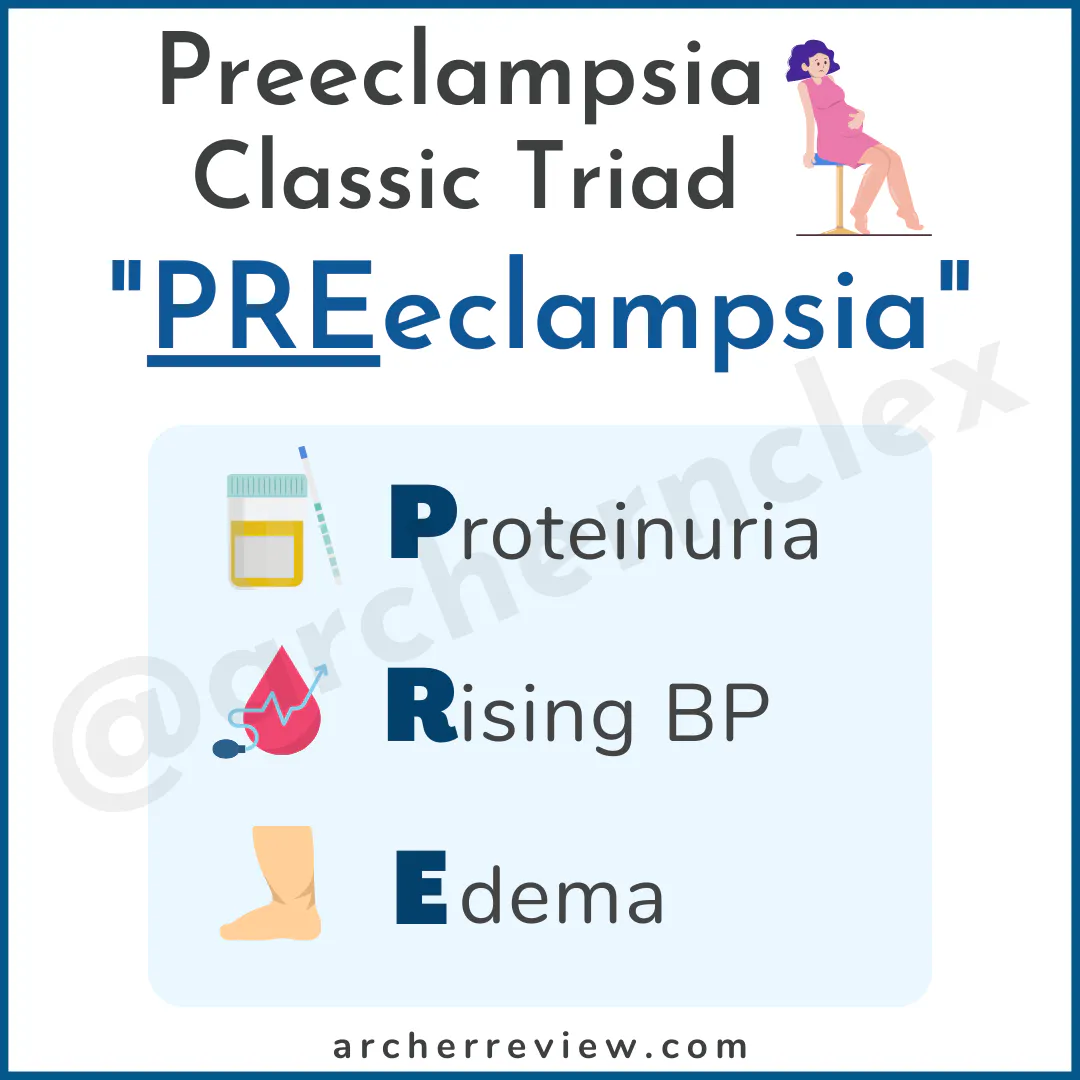
✓ The most prevalent complication in pregnancy in women with chronic hypertension is the development of preeclampsia. In the general population, the risk of preeclampsia is 3% to 5%, yet among women with chronic hypertension, 17% to 25% develop superimposed preeclampsia.
✓ Nurses work closely with obstetricians and other healthcare providers to ensure that clients with risk factors for preeclampsia receive comprehensive care.
✓ Recognizing the emotional stress that can accompany a high-risk pregnancy, nurses should provide emotional support and counseling to help clients cope with the uncertainties and potential complications associated with preeclampsia.
