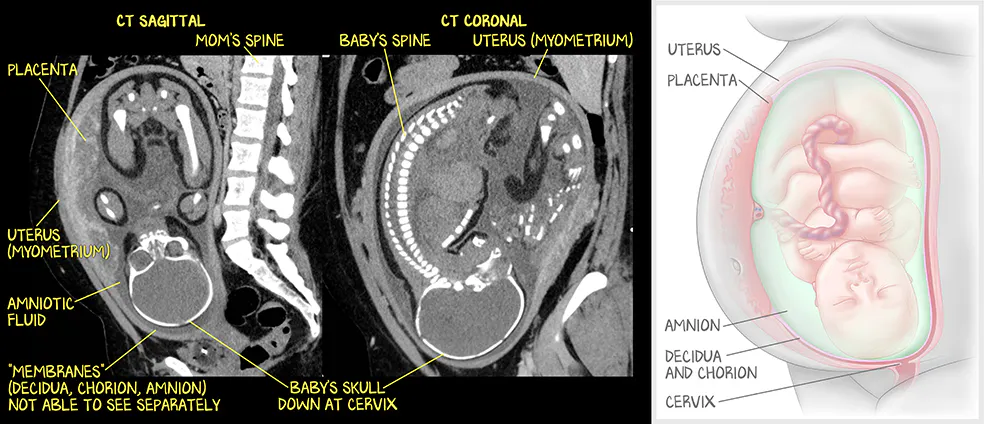
At 25 weeks gestation, a pregnant client presents with a uterine growth size that is less than expected, decreased fetal movement, and an easily palpable fetus. Which of the following is this likely related to?
At 25 weeks gestation, a pregnant client presents with a uterine growth size that is less than expected, decreased fetal movement, and an easily palpable fetus. Which of the following is this likely related to?
A. Oligohydramnios
[74%]
B. Macrosomia
[10%]
C. Hydramnios
[10%]
D. Amniotic fluid embolism
[6%]
Statistics
Subject/Lesson
Subject
Maternal & Newborn Health
Lesson
Antepartum
Client Need
Test Plan
Health Promotion and Maintenance
Related Topic
Ante/Intra/Postpartum and Newborn Care
Item Type
Item Type
Analysis
Explanation
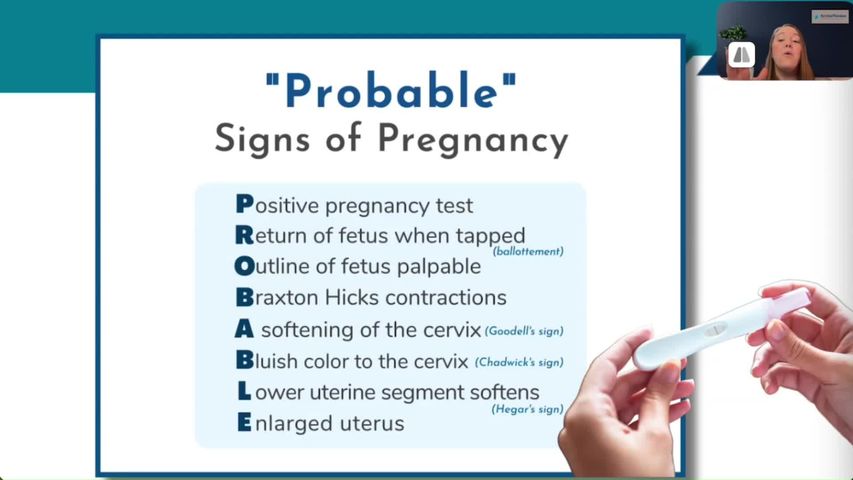
Choice A is correct. Oligohydramnios results from a severe reduction in the amount of amniotic fluid. It results in less than expected fetal growth. Also, because of the low amount of amniotic fluid, the fetus will be more easily outlined and palpated.
Choice B is incorrect. Macrosomia is defined as a newborn that is significantly larger than average. These babies have a birth weight of more than 8 lbs, 13 oz.
Choice C is incorrect. Hydramnios is a condition in which excessive amounts of amniotic fluid accumulates during pregnancy.
Choice D is incorrect. Amniotic fluid embolism is characterized by an acute collapse of mother and baby due to an allergic-type response to amniotic fluid entering the mother’s circulatory system.
NCSBN Client Need Topic: Health Promotion and Maintenance, Subtopic: Care of the Woman and Fetus at Risk
Related Videos
2 Key Topics
Fetus in Utero