The nurse is caring for a prenatal client whose red blood cell levels have decreased after becoming pregnant.
The nurse should recognize that this physiological anemia of pregnancy is a result of
The nurse is caring for a prenatal client whose red blood cell levels have decreased after becoming pregnant.
The nurse should recognize that this physiological anemia of pregnancy is a result of
A. decrease in circulating red blood cells.
[16%]
B. increase in plasma.
[21%]
C. increase in iron demands from the body.
[62%]
D. decrease in heart size.
[1%]
Statistics
Subject/Lesson
Subject
Maternal & Newborn Health
Lesson
Antepartum
Client Need
Test Plan
Health Promotion and Maintenance
Related Topic
Ante/Intra/Postpartum and Newborn Care
Item Type
Item Type
Knowledge/Comprehension
Explanation
Choice B is correct. Physiological anemia of pregnancy results from an increase in plasma volume, rather than an actual decline in the number of red blood cells. This dilutional effect leads to a decrease in the concentration of red blood cells, causing a relative anemia.
Choice A is incorrect. This option is not an accurate description of the physiological anemia of pregnancy. While the concentration of red blood cells may decrease, it is primarily due to the increase in plasma volume rather than a decrease in the number of circulating red blood cells. The total number of circulating red blood cells does not typically decrease.
Choice C is incorrect. While iron demands increase during pregnancy to support the growing fetus and maternal tissues, physiological anemia is more directly related to changes in plasma volume rather than increased iron demands.
Choice D is incorrect. Physiological anemia of pregnancy is not directly related to a decrease in heart size. The cardiovascular system undergoes changes to accommodate the increased demands of pregnancy, including an increase in blood volume.
Related Videos
3 Key Topics
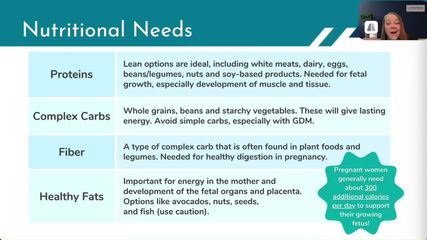
Nutritional in Pregnancy
28.2 Maternal Nutrition & Safety
Additional Info
✓ While physiological anemia is primarily due to the increase in plasma volume, it's important for the nurse to assess the woman's iron status. Iron supplementation may be recommended to meet the increased demands of pregnancy and prevent iron deficiency anemia.
✓ Provide education on iron-rich foods and dietary sources of nutrients essential for red blood cell production. Encourage the woman to include foods such as lean meats, leafy green vegetables, legumes, and fortified cereals in her diet.
✓ Encourage the woman to actively engage in her prenatal care by attending regular check-ups, adhering to prescribed supplements or treatments, and communicating any concerns or changes in symptoms.
