The nurse in the emergency department (ED) is caring for a 10-year-old client.
Item 5 of 5
- Nurses' Notes
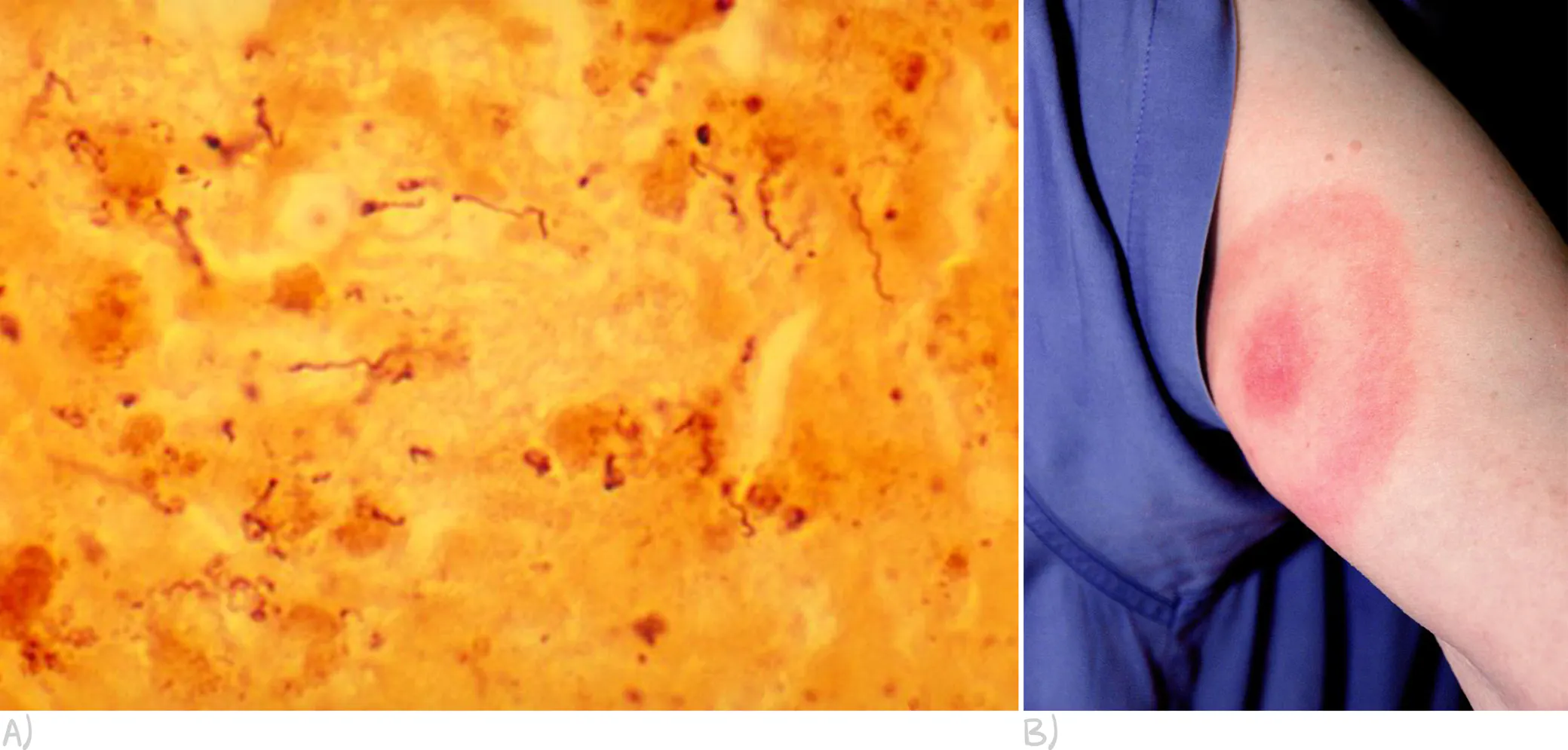
1322: 10-year-old client and his parents report an 8-day history of a brownish-raised lesion over the back of his left leg. The parents report that the size of the rash has increased. The parents report returning from a one-week camping trip three weeks ago. The parents deny efficacy with over-the-counter antihistamine creams. The client's parents deny that the child has had a fever but has felt 'warm' occasionally and endorsed an intermittent headache. They report an area of firmness in the child's groin. On assessment, there was an erythematous, raised, nonpainful, oval patch on the back of his left leg. This was an enlargement of an inguinal lymph node. The child is alert and fully oriented and denies any pain. Peripheral pulses palpable 2+. No cyanosis or edema in the extremities. Lung sounds clear bilaterally. The parents report that the child did not receive the seasonal influenza vaccine. He currently takes a multivitamin for iron deficiency anemia and was hospitalized one year ago for an appendectomy. The parents state that the child’s sibling had influenza one month ago. Vital signs: T 98.8°F (37.1°C); HR 78 beats/min; RR 16 breaths/min; BP 110/76 mm Hg. SpO2 97% on room air.
- Progress Notes
1401: The client was evaluated. The rash is localized, raised, and appears like a bullseye. The client has inguinal lymphadenopathy. The client's recent camping trip supports the probability of a vector-borne illness—specifically, Lyme disease.
- Orders
- laboratory tests: IgM and IgG antibodies
- doxycycline 100 mg capsule p.o. twice daily for fourteen days
- discharge client home
- follow-up with a primary care physician in two weeks
The nurse reviews and executes the physician's orders.
Which of the following actions should the nurse take when performing venipuncture on this client? Select all that apply.
The nurse reviews and executes the physician's orders.
Which of the following actions should the nurse take when performing venipuncture on this client? Select all that apply.
Statistics
Subject/Lesson
Subject
Child Health
Lesson
Infectious Disease
Client Need
Test Plan
Pharmacological and Parenteral Therapies
Related Topic
Parenteral/IV Therapies
Item Type
Item Type
TakeAction
Explanation
Choice D is correct. Giving the child some control over the situation can increase cooperation as it encourages involvement in their care. This is appropriate for a school-aged child.
Choice E is correct. This is appropriate for a school-aged child as it engages the child and makes them feel more comfortable. This can reduce fear by familiarizing them with the process.
Choice A is incorrect. An armband in and of itself is not a client identifier but rather an example of a source where client identification information may be located. The person-specific information is the "identifier," not the medium on which that information resides (in this case, the armband).
Choice B is incorrect. Cold compresses cause vasoconstriction, making veins harder to access. Instead, apply a warm compress to dilate the veins.
Choice C is incorrect. Using a doll or stuffed animal for demonstration is inappropriate for a 10-year-old. Explaining or showing the equipment at this age may be more appropriate than using a stuffed animal. A doll or stuffed animal for demonstration would be suitable for a preschooler.
Choice F is incorrect. Administering a sedative for routine venipuncture in a school-aged child is not appropriate because it is an invasive approach for a relatively minor procedure. The use of pharmacologic sedation is typically reserved for children with extreme anxiety, special needs, or those undergoing more painful or prolonged procedures (e.g., lumbar punctures, bone marrow aspirations).
Related Videos
2 Key Topics
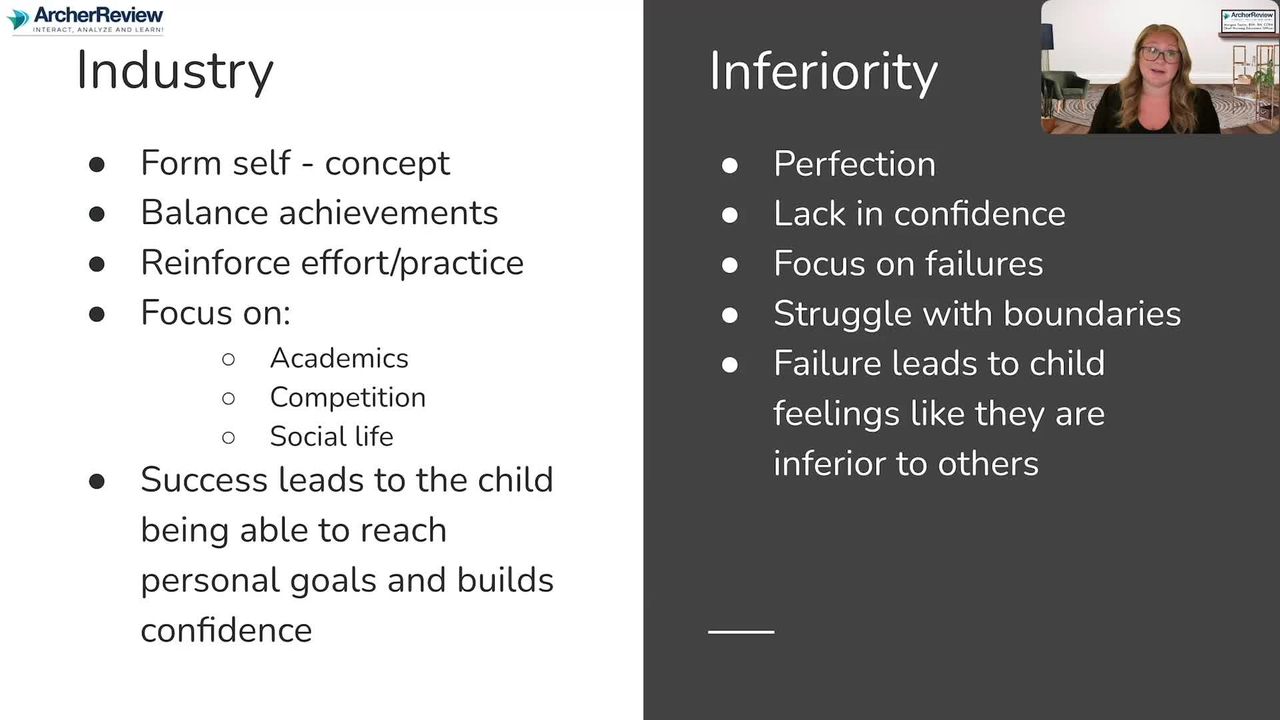
School Age Growth and Development