The nurse is discussing with a group of teenagers with cancer the side effects associated with prescribed chemotherapy.
Which topic should the nurse consider prioritizing?
The nurse is discussing with a group of teenagers with cancer the side effects associated with prescribed chemotherapy.
Which topic should the nurse consider prioritizing?
A. nausea and vomiting
[29%]
B. mouth ulcers
[10%]
C. alopecia
[50%]
D. activity intolerance
[11%]
Statistics
Subject/Lesson
Subject
Child Health
Lesson
Hematological/Oncological
Client Need
Test Plan
Reduction of Risk Potential
Related Topic
Potential for Alterations in Body Systems
Item Type
Item Type
Analysis
Explanation
Choice C is correct. Teenagers are often egocentric, and their physical looks are important. Most chemotherapy medications may cause an individual to develop alopecia. This could have a significant negative impact on a client's self-esteem. Chemotherapy has a broad spectrum of side effects. Still, hair loss should be explicitly discussed for teenagers because it will most certainly impact their appearance and make them more self-conscious. Allowing teenage clients to express themselves and their potential anger is essential. The nurse should convey empathy while remaining optimistic as most hair will regrow, although with a different texture.
Choice A is incorrect. Most chemotherapy medications cause nausea and vomiting. This is not specific for a teenager as it will not impact their appearance, unlike alopecia. The nurse can mitigate nausea and vomiting by administering prescribed antiemetics before chemotherapy infusions and providing foods free of aromas.
Choice B is incorrect. Mouth ulcers are an unfortunate effect of most chemotherapy drugs. These ulcers may cause an individual to develop nutritional deficiencies because of the pain associated with eating and drinking. Prescribed rinses with sodium bicarbonate and lidocaine often alleviate this symptom.
Choice D is incorrect. Activity intolerance (fatigue) is a common effect of chemotherapy. As previously stated, this would not directly impact the teenager's appearance and, therefore, would not be as concerning as alopecia.
Related Videos
3 Key Topics
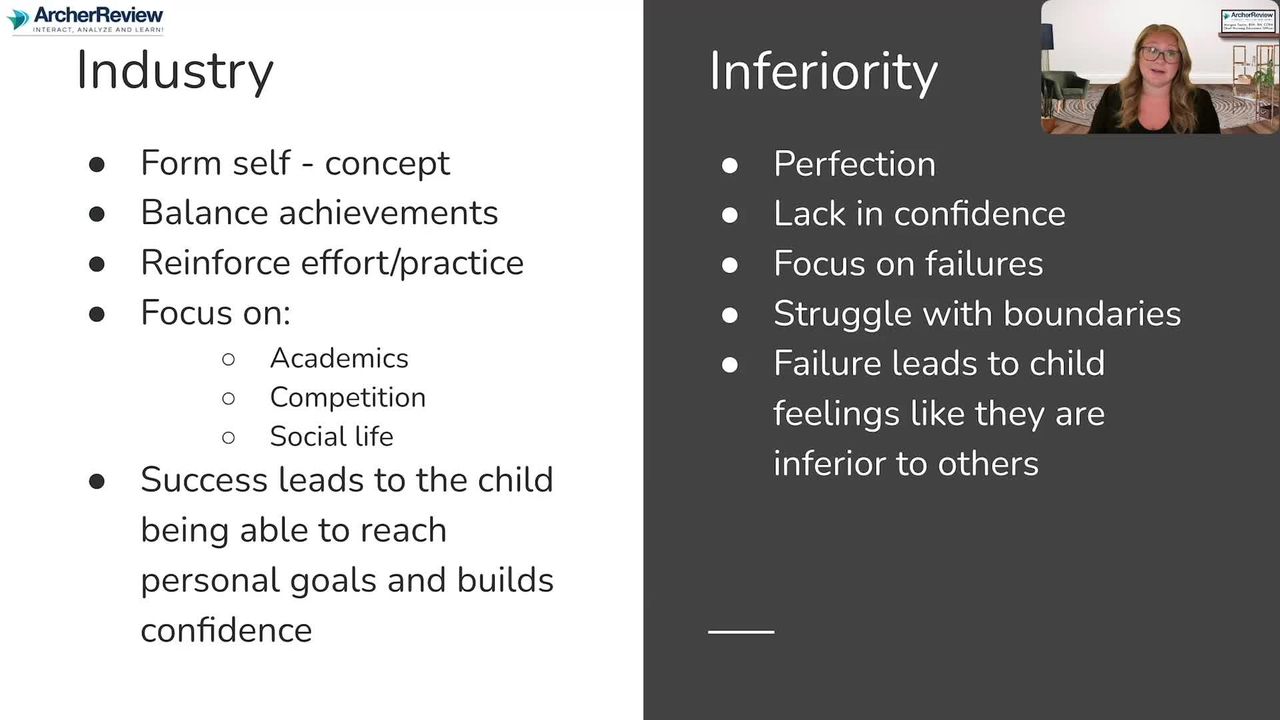
Adolescent Growth and Development
14.10 School Age + Adolescent Growth and Development
Additional Info
✓ Alopecia is a common effect of most chemotherapy medications.
✓ When a teenager has cancer, the nurse must be empathetic that treatment may negatively impact their social life and appearance.
✓ Teenagers do well with communicating with others in the same age group; thus, same-age support groups are an effective strategy to promote optimal coping skills.
