A nurse is preparing to perform a physical assessment on a 3-year-old child during a well-child visit.
Which of the following techniques is most appropriate to promote cooperation?
A nurse is preparing to perform a physical assessment on a 3-year-old child during a well-child visit.
Which of the following techniques is most appropriate to promote cooperation?
A. Begin the assessment with the head and proceed systematically
[2%]
B. Allow the child to sit on the caregiver’s lap while the nurse performs the assessment
[41%]
C. Offer the child the stethoscope to handle before starting the examination
[54%]
D. Explain the procedure using detailed medical terms to establish trust
[3%]
Statistics
Subject/Lesson
Subject
Child Health
Lesson
Growth & Development
Client Need
Test Plan
Health Promotion and Maintenance
Related Topic
Techniques of Physical Assessment
Item Type
Item Type
Application
Explanation
Choice C is correct. This technique uses therapeutic play and familiarization to reduce anxiety and promote cooperation in preschoolers. Allowing the child to explore equipment helps demystify the assessment and gives the child a sense of control, which is developmentally appropriate at age 3.
Choice A is incorrect. While a head-to-toe approach is standard in adult and older child assessments, this is not developmentally appropriate for a 3-year-old. Preschoolers may become fearful or distressed if the exam begins with the face or head, especially the mouth, ears, or eyes. The best practice is to start with less invasive areas (e.g., heart, lungs, extremities) and save the head and genitals for last to promote cooperation and reduce anxiety.
Choice B is incorrect. Sitting on the caregiver’s lap does enhance comfort and is a developmentally appropriate strategy for many young children. However, this action alone may not be sufficient to actively engage the child in the assessment process.
Choice D is incorrect. Preschool-aged children lack the cognitive ability to understand complex explanations or medical terminology. Using detailed terms may increase confusion and anxiety. Instead, nurses should use simple, concrete language and visual or tactile demonstrations.
Related Videos
6 Key Topics
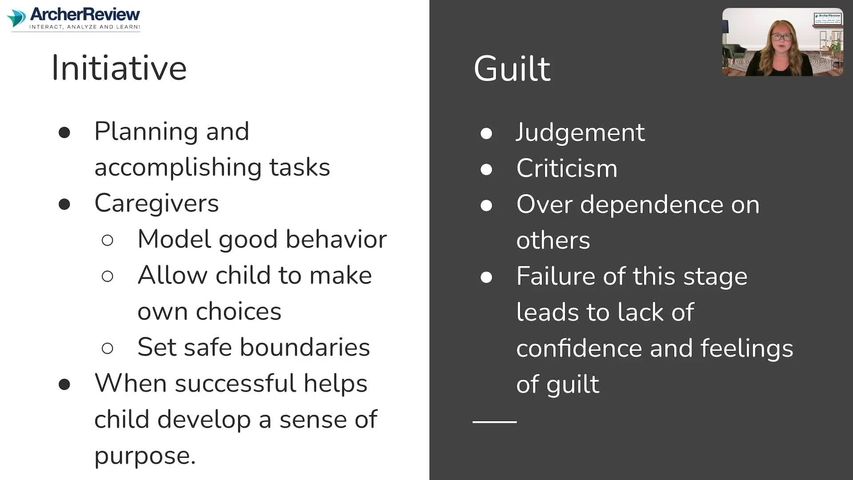
Preschooler Growth and Development
14.9 Preschooler Growth and Development
Preschooler Milestones
14.9 Preschooler Growth and Development
Preschooler Education
14.9 Preschooler Growth and Development
Additional Info
Physical Assessment Techniques for Preschoolers
✓ Use simple, direct language that avoids medical jargon.
✓ Let the child see and touch the equipment before use:
- Offer the stethoscope to handle
- Demonstrate on a doll or stuffed animal
✓ Make it a game when possible (“Let’s see how strong your muscles are!”)
✓ Do not begin at the head.
- Start with non-threatening areas (heart, lungs, abdomen).
- Save invasive or potentially upsetting areas (ears, mouth, genitals) for last.
- This avoids triggering fear early in the exam.
