While caring for an infant hospitalized for dehydration and failure to thrive, the nurse notes that the infant's mother is a chronic substance abuser. With this knowledge, the nurse would anticipate this infant to develop:
While caring for an infant hospitalized for dehydration and failure to thrive, the nurse notes that the infant's mother is a chronic substance abuser. With this knowledge, the nurse would anticipate this infant to develop:
A. Autonomy
[4%]
B. Trust
[4%]
C. Mistrust
[80%]
D. Shame and doubt
[11%]
Statistics
Subject/Lesson
Subject
Child Health
Lesson
Growth & Development
Client Need
Test Plan
Health Promotion and Maintenance
Related Topic
Development Stages and Transitions
Item Type
Item Type
Application
Explanation
Choice C is correct. Infants whose needs are consistently unmet or who regularly experience significant delays in meeting their needs are at an increased risk of developing a sense of uncertainty, leading to mistrust of caregivers and the environment. Infants develop mistrust during this stage when their needs are not consistently gratified. Here, the infant's mother's status as a chronic substance abuser, coupled with the fact that by infancy, this client is already experiencing a hospital admission for dehydration and failure to thrive, would lead the nurse to anticipate this infant is likely to develop mistrust.
Choice A is incorrect. Autonomy versus shame and doubt is the second stage of Erikson's psychosocial development and occurs during the toddler age. Toddlers acquire a sense of autonomy while overcoming a sense of doubt and shame.
Choice B is incorrect. Infants develop a sense of trust when their needs are met consistently.
Choice D is incorrect. As noted above, toddlers face autonomy versus shame and doubt during toddlerhood. Failure to achieve autonomy results in continued dependency, creating a sense of doubt regarding the toddler's potential capacity to control their actions. According to Erikson, a sense of shame further compounds this feeling of doubt.
Learning Objective
While caring for an infant hospitalized for dehydration and failure to thrive, the nurse notes that the infant's mother is a chronic substance abuser. With this knowledge, the nurse would anticipate this infant to develop mistrust.
Related Videos
3 Key Topics
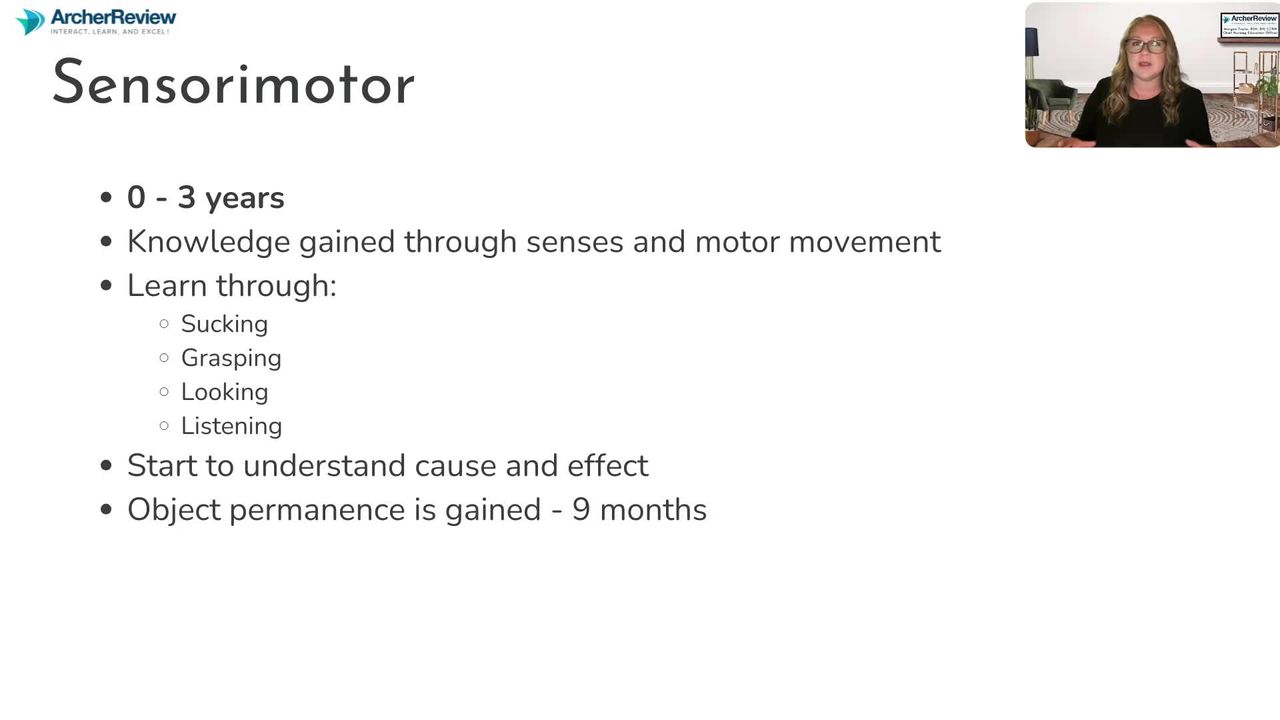
Infant Growth and Development
14.7 Infant Growth and Development
Additional Info
- Under Erikson's Theory of Psychosocial Development, the trust versus mistrust stage is the first developmental milestone which occurs during infancy.
- Parental behaviors served to predict an increase in children's fearfulness, frustration, and effortful control.
- Erikson defined eight stages of psychosocial development, each with a positive or negative outcome for personality development.

