The emergency department (ED) nurse is caring for a client with liver cirrhosis
Item 1 of 1
- Nurses' Note
57-year-old male reporting increasing dyspnea and abdominal pressure after missing his previously scheduled paracentesis. The client reports he feels 'uncomfortable.' He is alert and oriented x 4; sclera is yellow along with jaundice skin appearance. Respirations were labored, tachypnea, and clear breath sounds. Abdominal distention noted, hypoactive bowel sounds in all four quadrants. Ascites and dependent edema were noted. Peripheral pulses were intact.
- Vital Signs
Oral Temperature 101 o F (38.3o C)
Heart rate 94/minute
Respirations 24/minute
Blood pressure 104/68 mm Hg
Oxygen saturation 95% on room air
- Medical History
Hepatitis C
Liver cirrhosis
Substance use disorder
Hyperlipidemia
Which assessment findings require follow-up? Select all that apply.
Which assessment findings require follow-up? Select all that apply.
Statistics
Subject/Lesson
Subject
Adult Health
Lesson
Gastrointestinal
Client Need
Test Plan
Physiological Adaptation
Related Topic
Medical Emergencies
Item Type
Item Type
RecognizeCues
Explanation
- The client's labored breathing, tachypnea, and oral temperature are of serious concern.
- Labored breathing indicates increased work of breathing, which is a concerning finding. In this client, ascites can elevate the diaphragm, reduce lung expansion, and contribute to respiratory compromise, making this an assessment finding that requires prompt follow-up.
- A respiratory rate of 24 breaths/min indicates tachypnea [normal: 12–20 breaths/min], which is abnormal. This finding supports respiratory distress and may reflect reduced lung expansion from ascites or systemic illness, requiring further evaluation.
- An oral temperature of 101°F (38.3°C) is febrile and concerning in a client with ascites. Fever raises concern for spontaneous bacterial peritonitis (SBP), a life-threatening complication of cirrhosis that requires immediate follow-up.
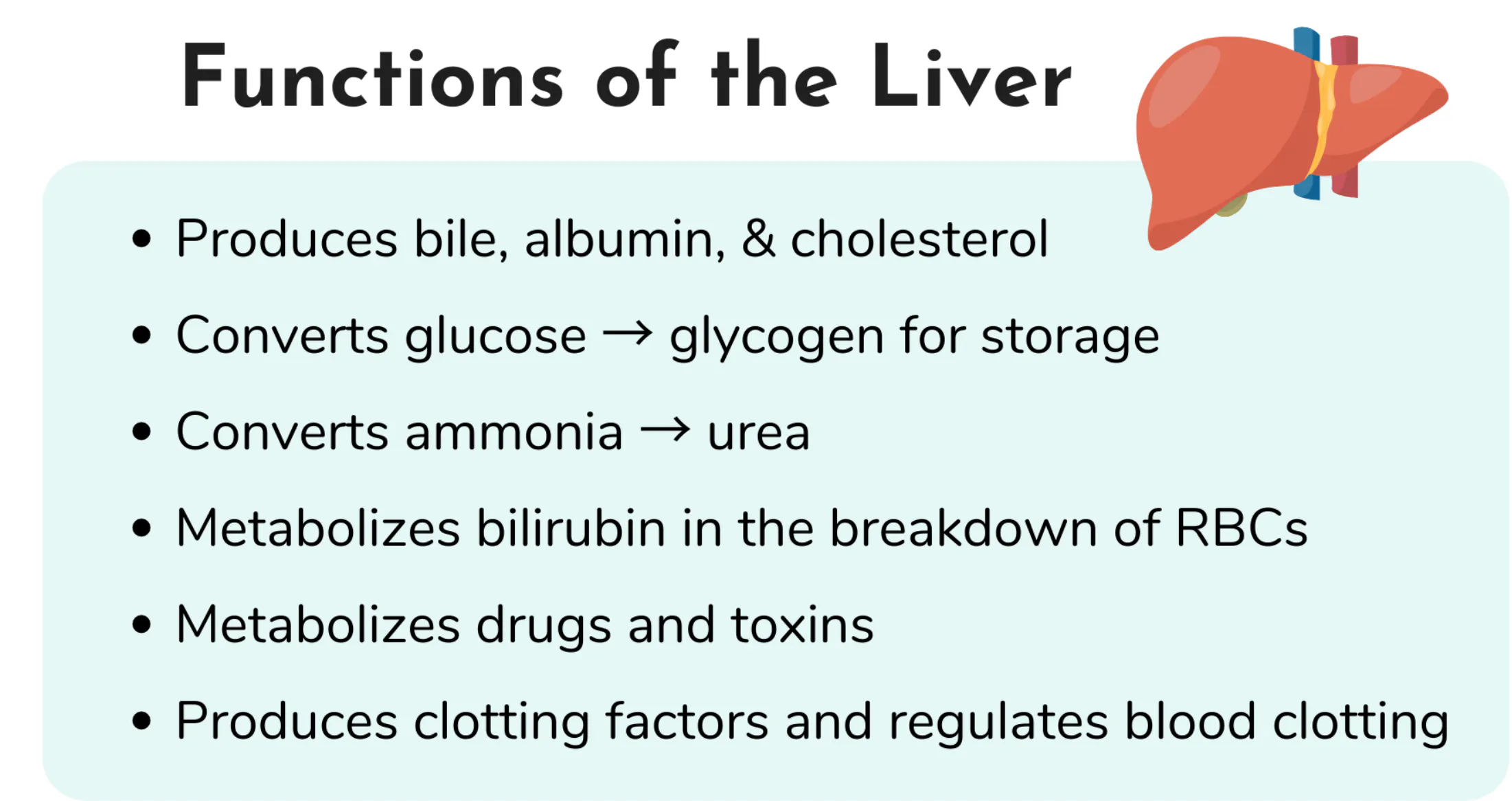
- Jaundice is an expected finding in a client with chronic liver cirrhosis and hepatitis C due to impaired bilirubin metabolism. While it confirms advanced liver disease, it does not represent an acute change requiring immediate follow-up in this scenario.
- Hypoactive bowel sounds are commonly associated with ascites and decreased gastrointestinal motility in liver cirrhosis. In the absence of severe abdominal pain, guarding, or absent bowel sounds, this finding alone does not require urgent follow-up.
- Yellow sclera (scleral icterus) is an expected manifestation of hyperbilirubinemia in chronic liver disease. Like jaundice, it reflects disease severity but does not indicate an acute change requiring immediate intervention.
Related Videos
2 Key Topics
Cirrhosis
20.8 Liver Disorders & Failure
Additional Info
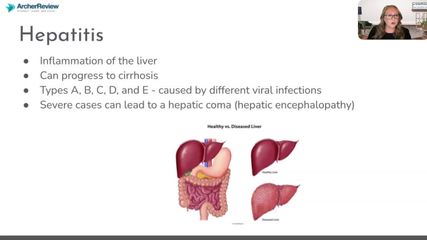
Cirrhosis of the liver may be caused by conditions such as Hepatitis B&C, prolonged alcohol exposure, and hepatotoxic medications. A complication of cirrhosis is esophageal varices caused by portal hypertension, hepatic encephalopathy, ascites, and spontaneous bacterial peritonitis.