The nurse is reinforcing education to the parents of a toddler diagnosed with bronchiolitis.
The nurse informs the parents that which of the following is the most likely cause of bronchiolitis?
The nurse is reinforcing education to the parents of a toddler diagnosed with bronchiolitis.
The nurse informs the parents that which of the following is the most likely cause of bronchiolitis?
A. Haemophilus influenzae type B
[20%]
B. Adenovirus
[3%]
C. Respiratory Syncytial Virus (RSV)
[70%]
D. Rhinovirus
[6%]
Statistics
Subject/Lesson
Subject
Child Health
Lesson
Respiratory
Client Need
Test Plan
Physiological Adaptation
Related Topic
Pathophysiology
Item Type
Item Type
Knowledge/Comprehension
Explanation
Choice C is correct. RSV is the most likely cause of bronchiolitis. It is a common virus in children that causes respiratory illness and is especially common in children less than 2 years old.
Choice A is incorrect. Haemophilus influenzae type B (HiB) is not the most likely cause of bronchiolitis. This infection is the common cause of epiglottitis, an inflammation of the epiglottis causing an airway emergency. The HiB vaccine has greatly reduced the incidence of this disease.
Choice B is incorrect. Adenovirus is not the most likely cause of bronchiolitis. Adenoviruses are common viruses that cause a range of illnesses. They can cause cold-like symptoms, fever, sore throat, pneumonia, diarrhea, and conjunctivitis.
Choice D is incorrect. Rhinovirus is not the most likely cause of bronchiolitis. Rhinovirus is the most common viral infectious agent in humans and is the predominant cause of the common cold.
Related Videos
2 Key Topics
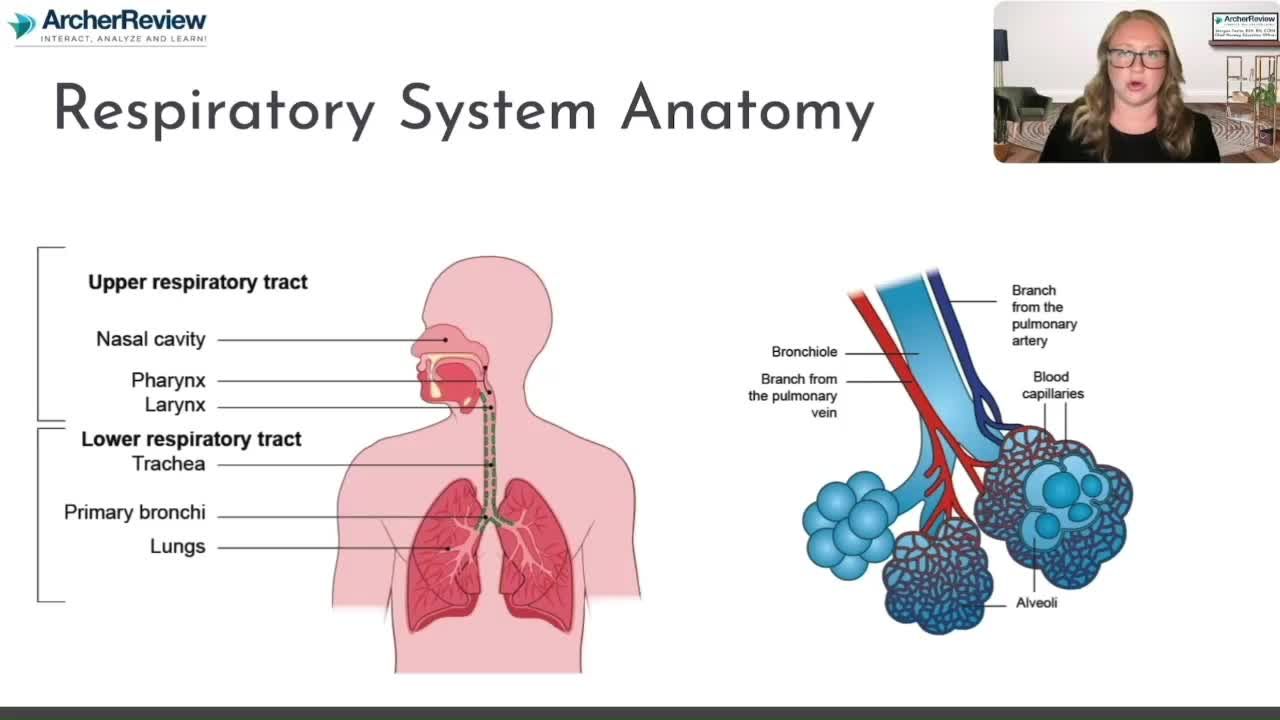
Respiratory Anatomy & Physiology
17.1 Respiratory Anatomy & Physiology
Additional Info
✓ Bronchiolitis is a common respiratory illness, especially in infants and young children. It primarily affects the bronchioles, which are the small airways in the lungs. The condition is often caused by viral infections, with respiratory syncytial virus (RSV) being a frequent culprit.
✓ RSV is a leading cause of respiratory infections, especially in young children. It can also affect older children and adults, particularly those with weakened immune systems or underlying health conditions.
✓ Bronchiolitis and RSV infections often occur more frequently during the fall and winter months, similar to the flu season.
✓ Key features of bronchiolitis include inflammation and swelling of the bronchioles, increased mucus production, and potential blockage of the airways. Symptoms may range from mild to severe.
