The nurse is caring for a toddler who is on digoxin for congestive heart failure. The nurse educates the parent about the symptoms of digoxin toxicity. Which statement by the parent would indicate an understanding of this topic?
The nurse is caring for a toddler who is on digoxin for congestive heart failure. The nurse educates the parent about the symptoms of digoxin toxicity. Which statement by the parent would indicate an understanding of this topic?
A. "I will have my toddler checked if their respirations become less than 20 per minute."
[14%]
B. "I will stop administering the digoxin if my toddler does not gain weight after six months."
[2%]
C. "I will avoid feeding my toddler potassium-rich foods."
[20%]
D. "I will have the primary health care provider (PHCP) assess my toddler if vomiting occurs."
[64%]
Statistics
Subject/Lesson
Subject
Child Health
Lesson
Cardiovascular
Client Need
Test Plan
Pharmacological and Parenteral Therapies
Related Topic
Adverse Effects/Contraindications/Side Effects/Interactions
Item Type
Item Type
Application
Explanation
Choice D is correct. Digoxin toxicity in pediatric clients is manifested by nausea, vomiting, bradycardia, anorexia, and dysrhythmias, with nausea and vomiting typically being the initial presenting symptoms of increased digoxin levels in the blood. Therefore, the parent should immediately bring the toddler to the PHCP to assess the child's serum digoxin levels and initiate appropriate intervention.
Choice A is incorrect. Monitoring the toddler's respiratory rate is a good practice, but expecting a decrease in respiratory rate alone might is not a specific indicator of digoxin toxicity.
Choice B is incorrect. Stopping the administration of digoxin without consulting the PHCP can be dangerous and is not advisable. Lack of weight gain, also known as failure to thrive, is a concerning symptom in pediatric patients with heart failure. However, it is not an indicator of digoxin toxicity but rather a sign of heart failure itself.
Choice C is incorrect. Avoiding potassium-rich foods is not necessary. While it's true that low serum potassium levels can exacerbate digoxin toxicity, managing potassium levels should be done under medical supervision. It's crucial to maintain a balanced diet for the child, and any concerns about potassium intake should be discussed with a PHCP.
Learning Objective
While educating a parent of a toddler on digoxin for congestive heart failure about the symptoms of digoxin toxicity, correctly identify the parent's statement, "I will have the health care provider (HCP) assess my toddler if vomiting occurs," as the statement by the parent which would indicate to the nurse an understanding of this topic by the parent.
Related Videos
4 Key Topics
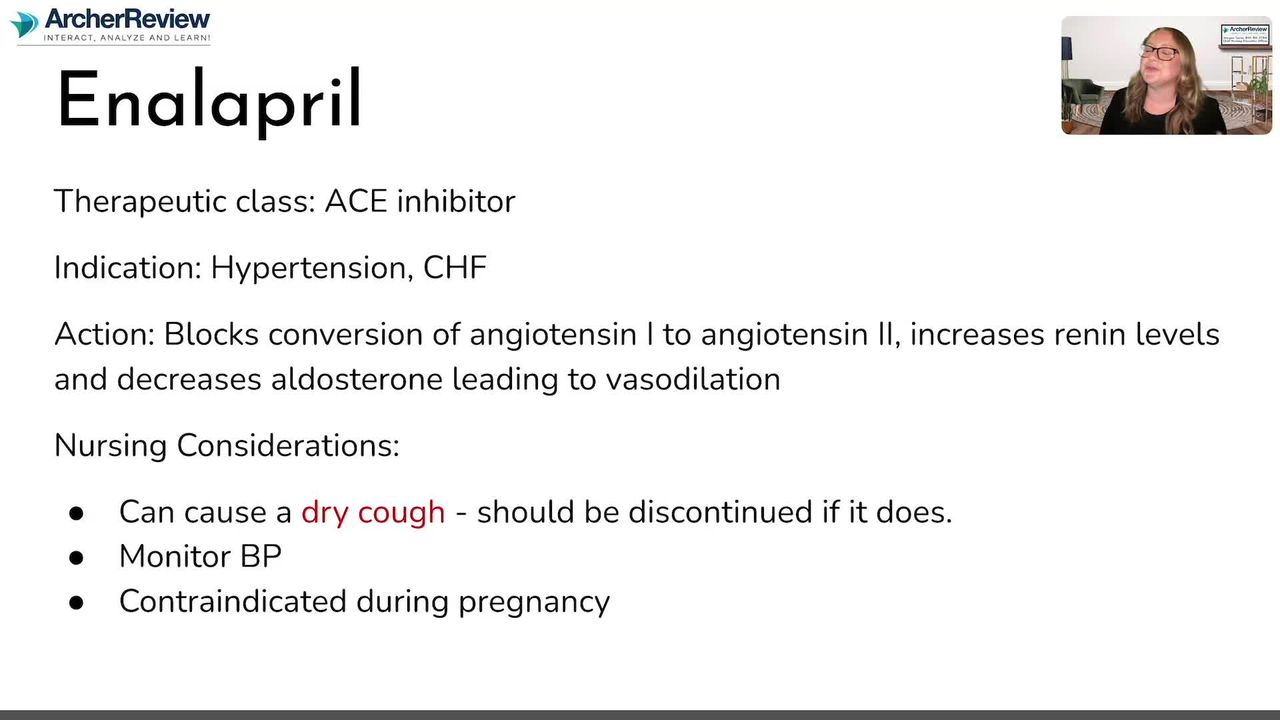
Antiarrhythmics
18.5 Cardiovascular Medications
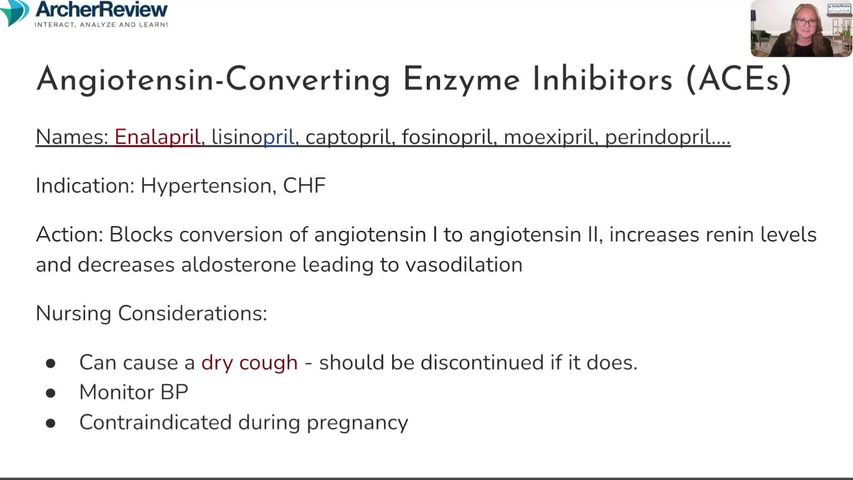
Digoxin
6.4 Cardiovascular System Drugs
Additional Info
✓ Digoxin was traditionally the mainstay for heart failure treatment, but due to the associated adverse effects and drug interactions, digoxin has subsequently been replaced by other medications.
✓ Digoxin is the only cardiac glycoside currently available in the United States.
✓ Although digoxin is a powerful positive inotropic drug, it has not been shown to reduce mortality in heart failure clients.
✓ Digoxin is primarily used to treat systolic heart failure and atrial fibrillation.
✓ The latest heart failure treatment guidelines recommend digoxin be used as an adjunct to medications of other classes, including beta blockers, diuretics, angiotensin-converting enzyme (ACE) inhibitors, and angiotensin II receptor blockers (ARBs) in selected clients.
✓ Low potassium or magnesium levels may increase the potential for digoxin toxicity.
