The nurse is caring for a client newly diagnosed with diabetic nephropathy. The nurse anticipates a prescription for which medication?
The nurse is caring for a client newly diagnosed with diabetic nephropathy. The nurse anticipates a prescription for which medication?
A. Ciprofloxacin
[10%]
B. Enalapril
[24%]
C. Sevelamer
[42%]
D. Epoetin alfa
[23%]
Statistics
Subject/Lesson
Subject
Pharmacology
Lesson
Endocrine
Client Need
Test Plan
Reduction of Risk Potential
Related Topic
Potential for Alterations in Body Systems
Item Type
Item Type
Application
Explanation
Choice B is correct. Diabetic nephropathy is marked by the client having proteinuria (> 300 mg in a 24-hour urine collection). This is evidence that the client's diabetes is progressing and causing vascular damage. Treatment is aimed at reinforcing good glycemic control by advising the client to manage their diet by controlling their intake of carbohydrates. Prescriptive therapies include ACE inhibitors such as enalapril. Enalapril is an angiotensin-converting enzyme (ACE) inhibitor that acts on the renin-angiotensin-aldosterone system (RAAS) to dilate blood vessels, reduce blood pressure, and decrease proteinuria in clients with diabetic nephropathy. By inhibiting angiotensin II production, enalapril helps to alleviate renal hyperfiltration, reduce intraglomerular pressure, and mitigate glomerular damage caused by diabetes.
Choice A is incorrect. Ciprofloxacin is an antibiotic used to treat bacterial infections and does not address the underlying pathophysiology of kidney disease..
Choice C is incorrect. Sevelamer is a phosphate binder used to lower phosphate levels in clients with chronic kidney disease (CKD).
Choice D is incorrect. Epoetin alfa is a recombinant erythropoietin used to treat anemia associated with CKD, including diabetic nephropathy-related anemia in advanced stages of kidney disease. It is not prescribed as an initial therapy for diabetic nephropathy and is reserved for managing anemia secondary to kidney dysfunction.
Related Videos
4 Key Topics
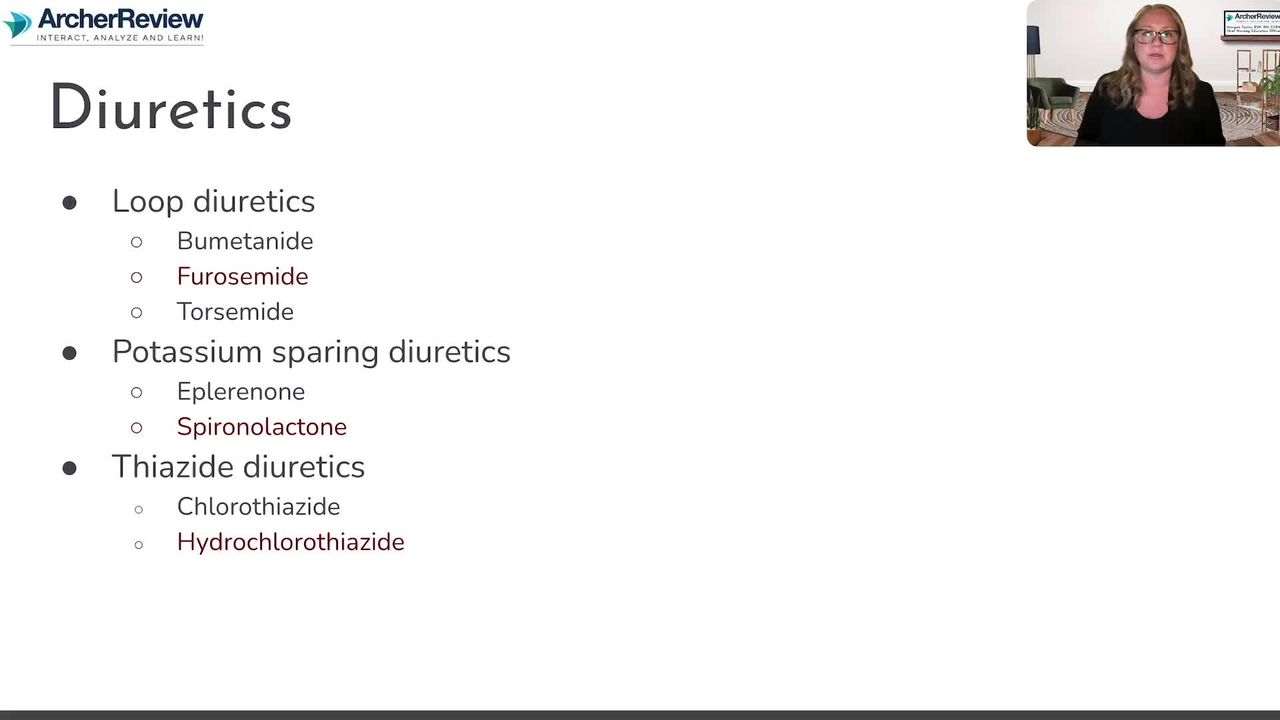
Antihypertensives & Kidneys
21.2 Renal & Blood Pressure Pharmacology
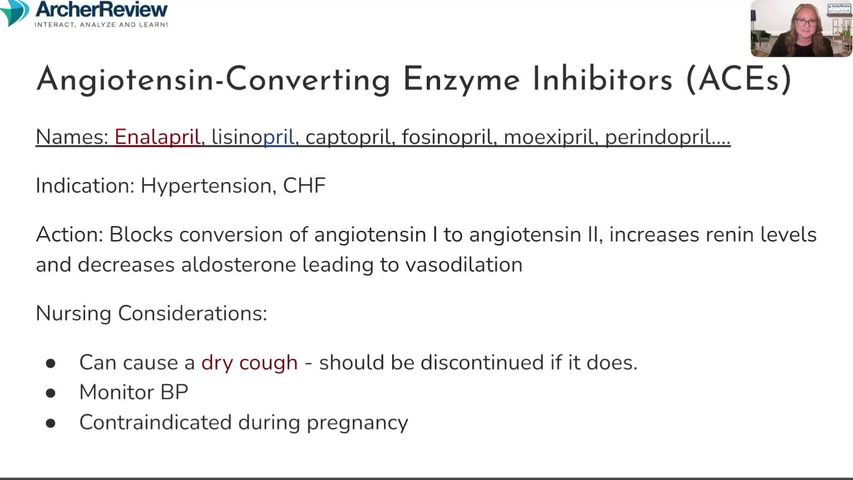
Antihypertensive Medications
6.4 Cardiovascular System Drugs
Additional Info
✓ Diabetic nephropathy is a vascular complication associated with diabetes mellitus
✓ The development of this complication may indicate that diabetes mellitus is uncontrolled
✓ A key indicator of this condition is proteinuria (> 300 mg) in a 24-hour urine specimen
✓ Treatment is aimed at both blood pressure and glycemic control
✓ If diabetic nephropathy is diagnosed, exposure to nephrotoxic medications (NSAIDs, IV contrast dye) should be very limited
✓ While ACE-I's may be nephrotoxic, they do provide a benefit for diabetic nephropathy
✓ The physician will determine if an ACE-I may be used in this situation based on the client's eGFR and creatinine
