The nurse is caring for a client experiencing digoxin toxicity.
The nurse anticipates a prescription for which medication?
The nurse is caring for a client experiencing digoxin toxicity.
The nurse anticipates a prescription for which medication?
A. digoxin immune fab
[80%]
B. milrinone
[5%]
C. amrinone
[7%]
D. flecainide
[8%]
Statistics
Subject/Lesson
Subject
Pharmacology
Lesson
Cardiovascular
Client Need
Test Plan
Pharmacological and Parenteral Therapies
Related Topic
Adverse Effects/Contraindications/Side Effects/Interactions
Item Type
Item Type
Knowledge/Comprehension
Explanation
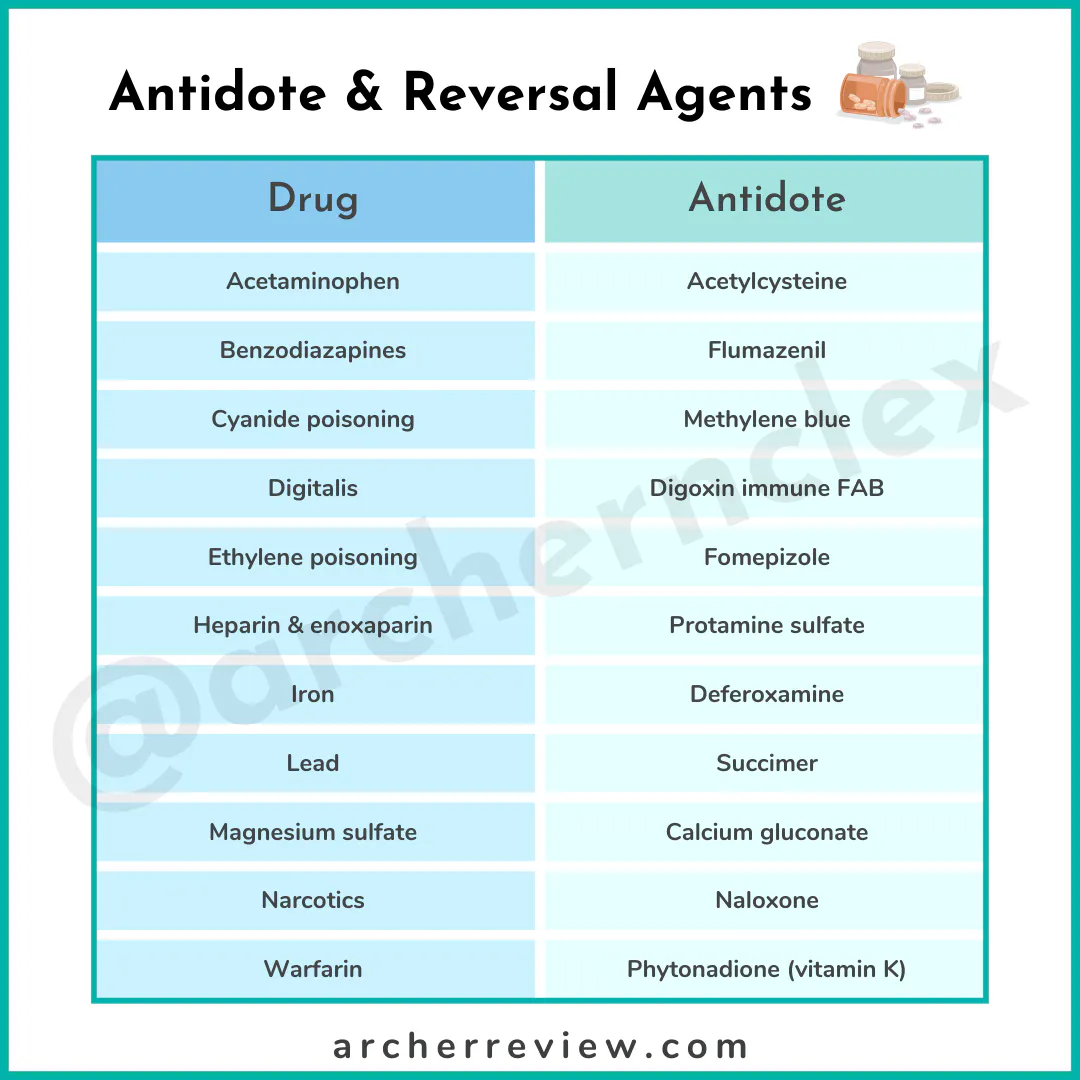
Choice A is correct. The antidote for digoxin toxicity is the administration of digoxin immune fab, which binds to digoxin, preventing it from reaching the tissues. Its onset of action is rapid, occurring in less than 1 minute after the IV infusion begins. Cardiac glycosides can cause potentially dangerous adverse effects at high doses and in specific individuals. The margin of safety between a beneficial and toxic dose is narrow; therefore, therapy should be closely monitored. Serum digoxin levels above 2.2 ng/mL are considered toxic, and initial side effects include GI-related symptoms such as appetite loss, vomiting, and diarrhea. Headache, drowsiness, confusion, and blurred vision may also occur.
Choice B is incorrect. Milrinone is a phosphodiesterase inhibitor primarily used for short-term support of advanced heart failure.
Choice C is incorrect. Amrinone or inamrinone, a pyridine phosphodiesterase-3 inhibitor, may improve the prognosis in clients with congestive heart failure (CHF) by enhancing heart contractions initiated through calcium-induced calcium release.
Choice D is incorrect. Flecainide is used for severe ventricular dysrhythmias.
Related Videos
2 Key Topics
Antiarrhythmics
18.5 Cardiovascular Medications
Additional Info
✓ Digoxin is a cardiac glycoside indicated for treating atrial fibrillation and congestive heart failure (CHF)
✓ This medication has lost popularity in recent decades because newer agents do not require therapeutic monitoring
✓ For a client taking digoxin, the apical pulse must be obtained before administration
✓ The therapeutic level for digoxin is 0.5-2 ng/mL
✓ The apical pulse must be at least 60/minute for adults, 70/minute for children, and 90/minute for infants
https://app.archerreview.com/test-screen/MjQyNzUxNDE=/NDEzOA==
