The nurse is caring for a client with a substance use disorder.
Which approach should the nurse recommend to facilitate behavior change in this client?
The nurse is caring for a client with a substance use disorder.
Which approach should the nurse recommend to facilitate behavior change in this client?
A. Motivational interviewing
[27%]
B. Biofeedback
[13%]
C. Dialectical Behavioral Therapy (DBT)
[53%]
D. Eye movement desensitization and reprocessing (EMDR)
[6%]
Statistics
Subject/Lesson
Subject
Mental Health
Lesson
Substance Abuse and other dependencies
Client Need
Test Plan
Psychosocial Integrity
Related Topic
Chemical and Other Dependencies/Substance Abuse Disorder
Item Type
Item Type
Application
Explanation
Choice A is correct. Motivational interviewing (MI) is an evidence-based, client-centered technique that supports clients in exploring and resolving ambivalence about change. It is a foundational tool in substance use disorder treatment and is effective in enhancing motivation and commitment to behavior change.
Choice B is incorrect. Biofeedback is used to improve awareness and control of physiological responses (e.g., to manage stress or chronic pain). It is not a primary intervention for initiating behavioral change in substance use treatment.
Choice C is incorrect. The focus of DBT is impulse control and skills building. This type of therapy would be recommended for individuals who are impulsive or who have borderline personality disorder. This type of therapy does not facilitate change.
Choice D is incorrect. EMDR is an evidence-based treatment for post-traumatic stress disorder (PTSD), not for initiating behavior change related to substance use. It may be useful for trauma-informed care if PTSD coexists, but it is not the first-line intervention for substance use behavior modification.
Related Videos
2 Key Topics
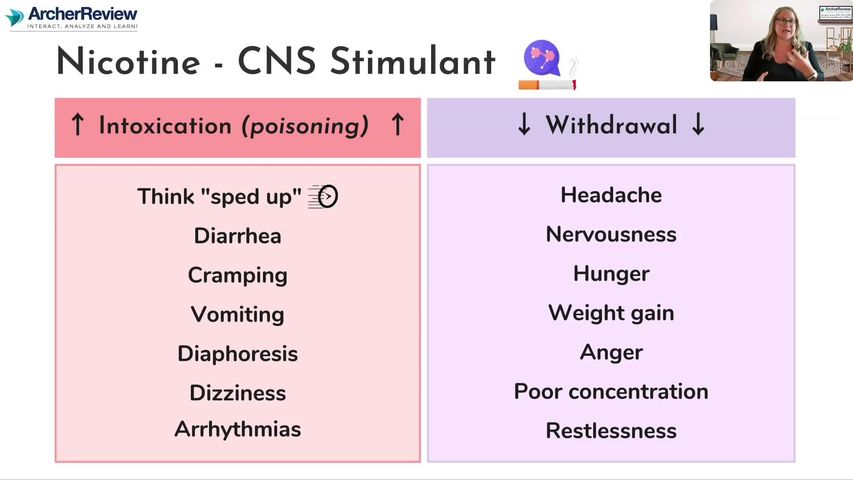
Substance abuse
13.4 Substance Use & Family Systems
Additional Info
Motivational Interviewing is helpful for individuals with substance use disorder
✓ Reduces resistance by creating a safe space for honest dialogue
✓ Supports readiness for change across the stages of the Transtheoretical Model (precontemplation → maintenance)
✓ Helps clients resolve ambivalence, often a major barrier in substance use recovery
✓ Encourages clients to identify personal values and goals that are incompatible with substance use
