The nurse is caring for a client experiencing delirium tremens.
The nurse should prioritize
The nurse is caring for a client experiencing delirium tremens.
The nurse should prioritize
A. obtaining a referral for an outpatient alcohol abstinence program.
[3%]
B. obtaining a prescription for diazepam.
[49%]
C. providing frequent reassurance.
[3%]
D. maintaining a low-stimulus environment.
[45%]
Statistics
Subject/Lesson
Subject
Mental Health
Lesson
Substance Abuse and other dependencies
Client Need
Test Plan
Psychosocial Integrity
Related Topic
Chemical and Other Dependencies/Substance Abuse Disorder
Item Type
Item Type
Application
Explanation
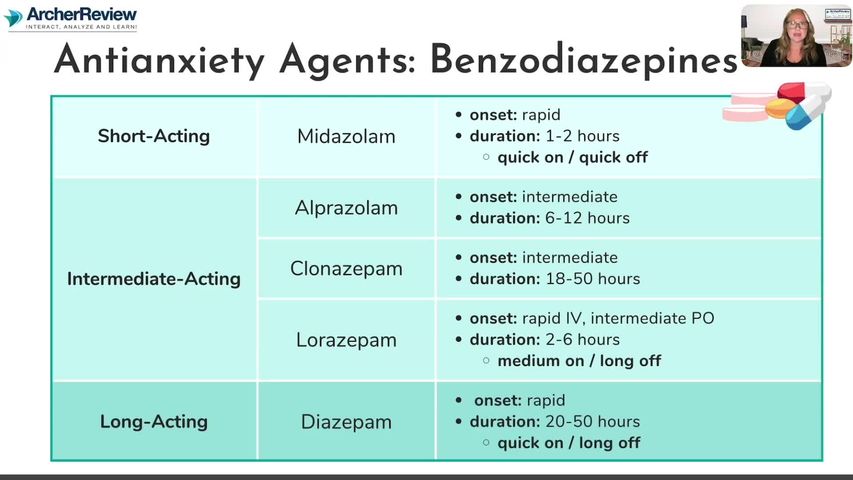
Choice B is correct. Delirium tremens is a life-threatening form of alcohol withdrawal characterized by agitation, confusion, hallucinations, autonomic hyperactivity (e.g., tachycardia, hypertension), and risk for seizures. The priority intervention is rapid pharmacologic management with a benzodiazepine such as diazepam or lorazepam, which enhances GABA activity and reduces the risk of seizures and severe autonomic instability.
Choice A is incorrect. While long-term recovery planning is essential, discharge planning is not a priority during an acute episode of DTs. This option is future-oriented and irrelevant to the client's critical instability.
Choice C is incorrect. This is supportive but not a priority intervention. While verbal reassurance may help calm the client, it does not address the physiological risks or prevent complications such as seizures or cardiovascular collapse.
Choice D is incorrect. Environmental control is a helpful adjunct intervention, but not the priority. It may help minimize agitation and confusion, but does not replace the need for pharmacologic treatment.
Related Videos
4 Key Topics
Antianxiety Agents
32.1 Psychopharmacology (Medications & Treatments)
Substance abuse
13.4 Substance Use & Family Systems
Additional Info
✓ Delirium tremens (DTs) is a medical emergency that can be fatal, often due to complications like pneumonia, liver or kidney failure, or heart disease.
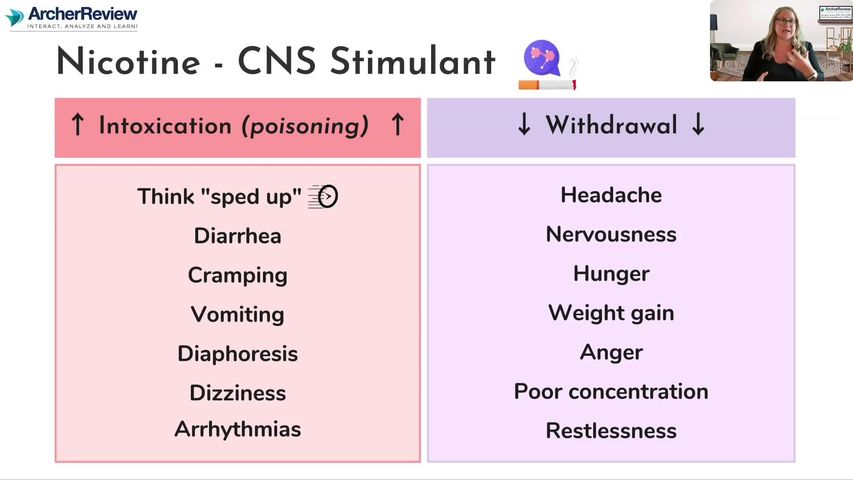
✓ DTs typically occur within 72 hours of alcohol cessation and are marked by autonomic hyperactivity—tachycardia, hypertension, fever, diaphoresis, anxiety, and insomnia—as well as visual and tactile hallucinations and delusions. These symptoms can lead to unpredictable, dangerous behaviors.
✓ Prevention is key. Oral benzodiazepines like diazepam or chlordiazepoxide can reduce agitation, tremors, and early signs of DTs.
✓ If delirium develops, intravenous lorazepam is typically used. Supportive care may include seclusion for safety and fluid replacement to correct dehydration from fever and sweating.
