The emergency department nurse is caring for a 22-year-old with altered mental status
Item 1 of 1
- Admission Notes
2330 – 22-year-old male client arrived at the emergency department (ED) with friends who were at a party and was observed snorting a white powder and started acting erratically.
The client is hyper-alert, agitated, and only oriented to place on assessment. The client started shouting at staff during the assessment and struck a nurse with his fist. The primary healthcare provider (PHCP) was immediately notified of this incident.
- Vital Signs
Temperature 98.0o F (37o C)
Pulse 110/minute
Respirations 16/minute
Blood Pressure 155/96 mm Hg
O2 saturation 96% on room air
Complete the following sentences from the list of options
Complete the following sentences from the list of options


Statistics
Subject/Lesson
Subject
Mental Health
Lesson
Mental Health
Client Need
Test Plan
Psychosocial Integrity
Related Topic
Chemical and Other Dependencies/Substance Abuse Disorder
Item Type
Item Type
PrioritizeHypothesis
Explanation
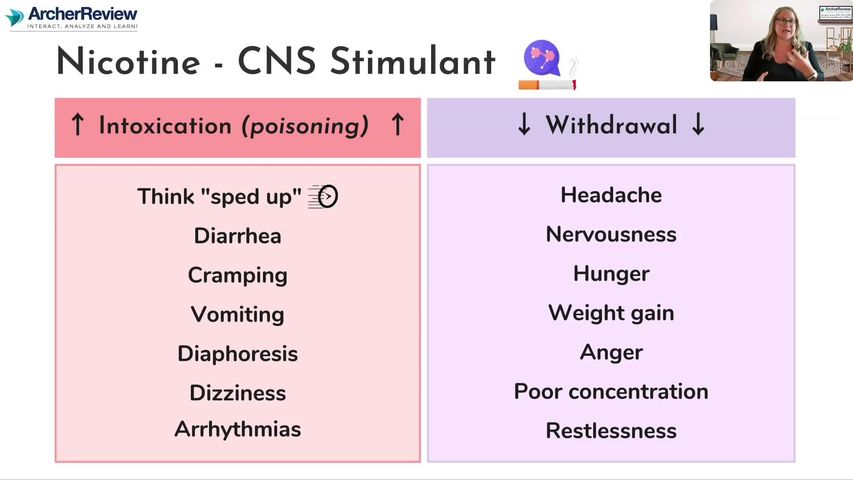
- The client is most likely intoxicated with cocaine based on the client’s hyperarousal, hypertension, tachycardia, and agitation. Cocaine intoxication produces central nervous stimulation, making the client feel paranoid and act erratically.
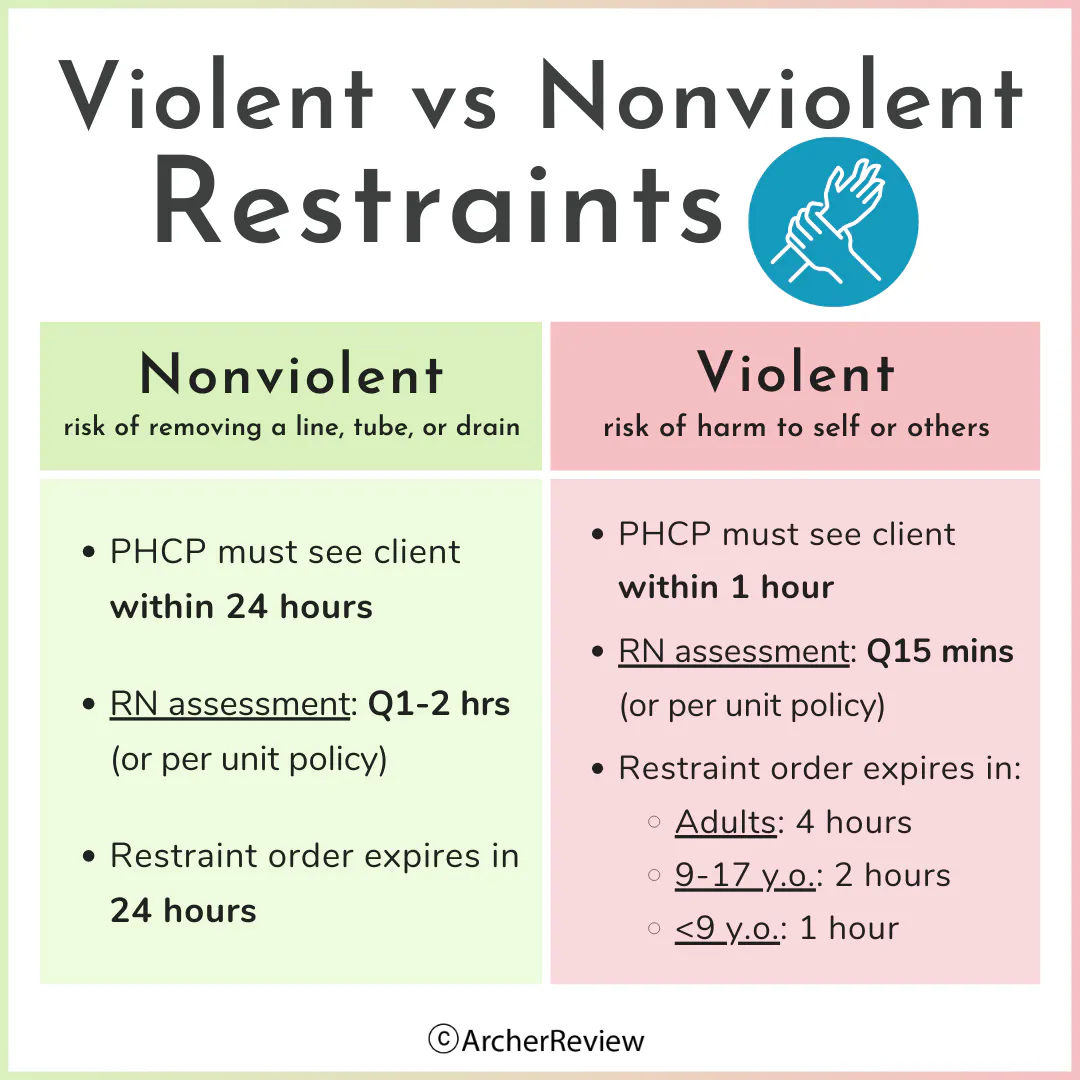
- The nurse should restrain the client based on the client’s physical violence. The client’s physical violence seriously threatens the safety of those around him. The nurse has appropriate cause to restrain the client and then obtain an order from the PHCP within one hour of the initiation of restraints.
- The client is exhibiting hypertension and tachycardia; however, his physical violence is the priority to address, as this creates an immediate safety concern.
Related Videos
4 Key Topics
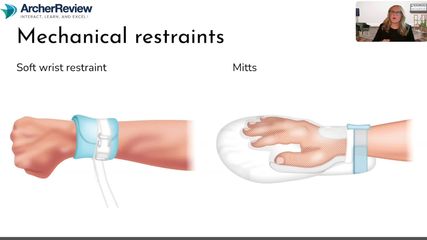
Restraints
8.2 Risk Management & Environment Safety
Substance abuse
13.4 Substance Use & Family Systems
Additional Info
Cocaine is a stimulant and produces significant blood pressure and pulse increases. Psychotic symptoms such as paranoia are also common. Withdrawal symptoms cause the client to become drowsy and crave food, especially sweet foods. Heroin and opioid intoxication would produce CNS depressive symptoms.